




Toolkit on climate-smart tourism was tested with tourism companies in seven BSR destinations
22 June 2026
Climate-smart Tourism Business Toolkit
CliNeDest project has created an AI-assisted online climate-smart business toolkit that helps tourism companies transform their business towards low carbon. The project cooperates with 100 tourism companies from Finland, Estonia, Lithuania, Denmark and Norway, providing them with practical tools for carbon data-based business development, decarbonisation strategies and the co-designing of low carbon visitor experiences.
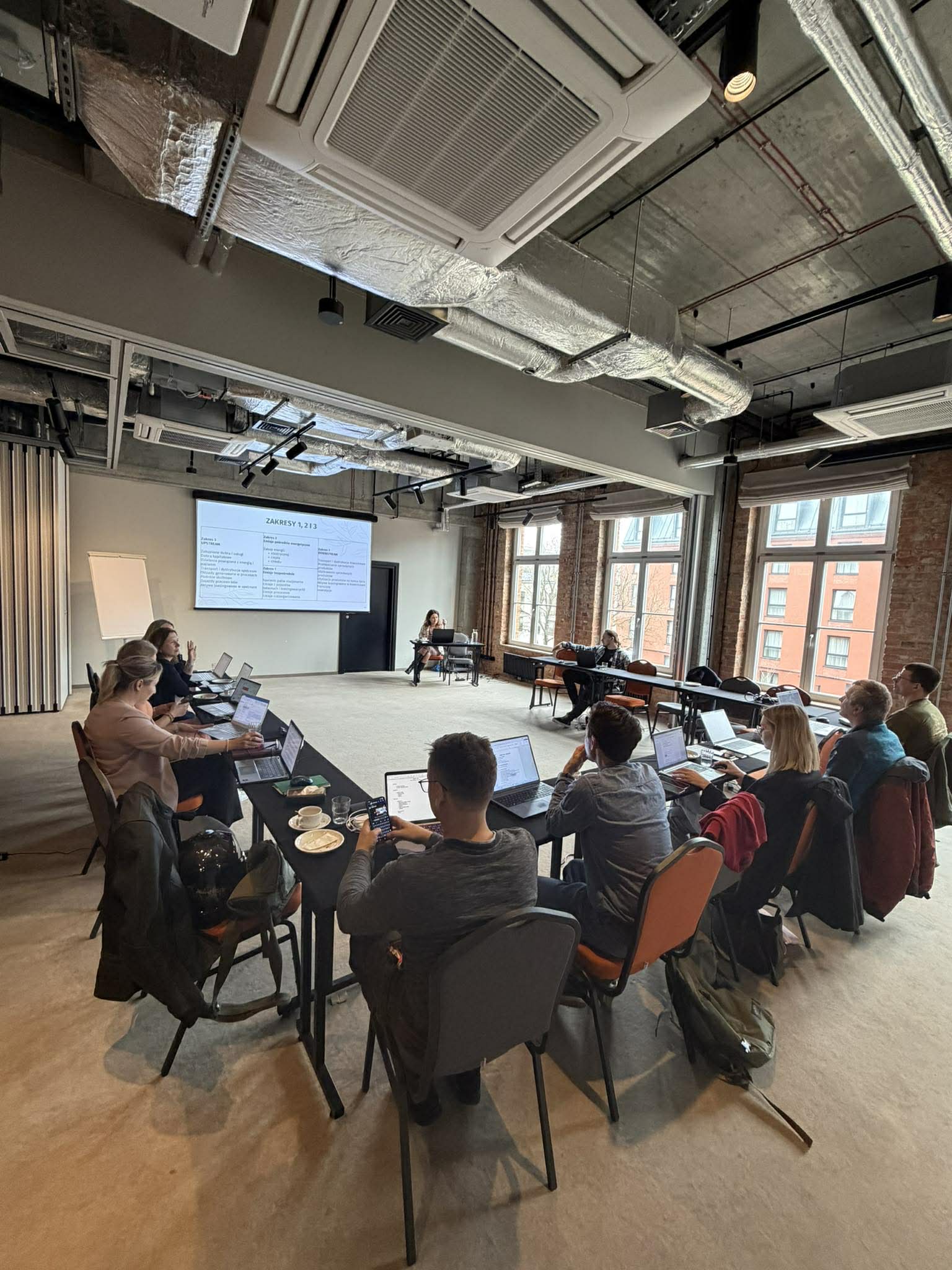
Tourism companies tested the Toolkit in a series of workshops
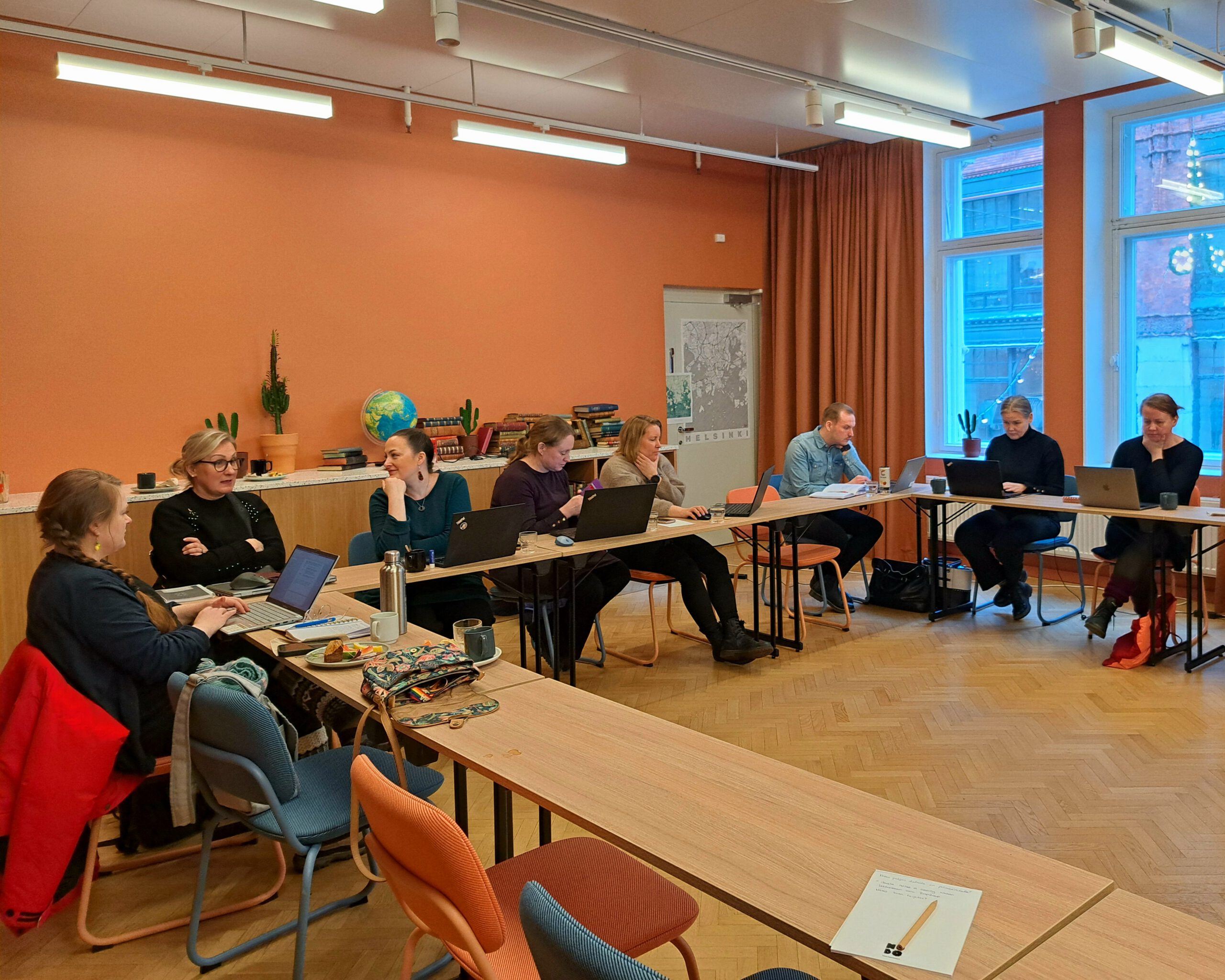
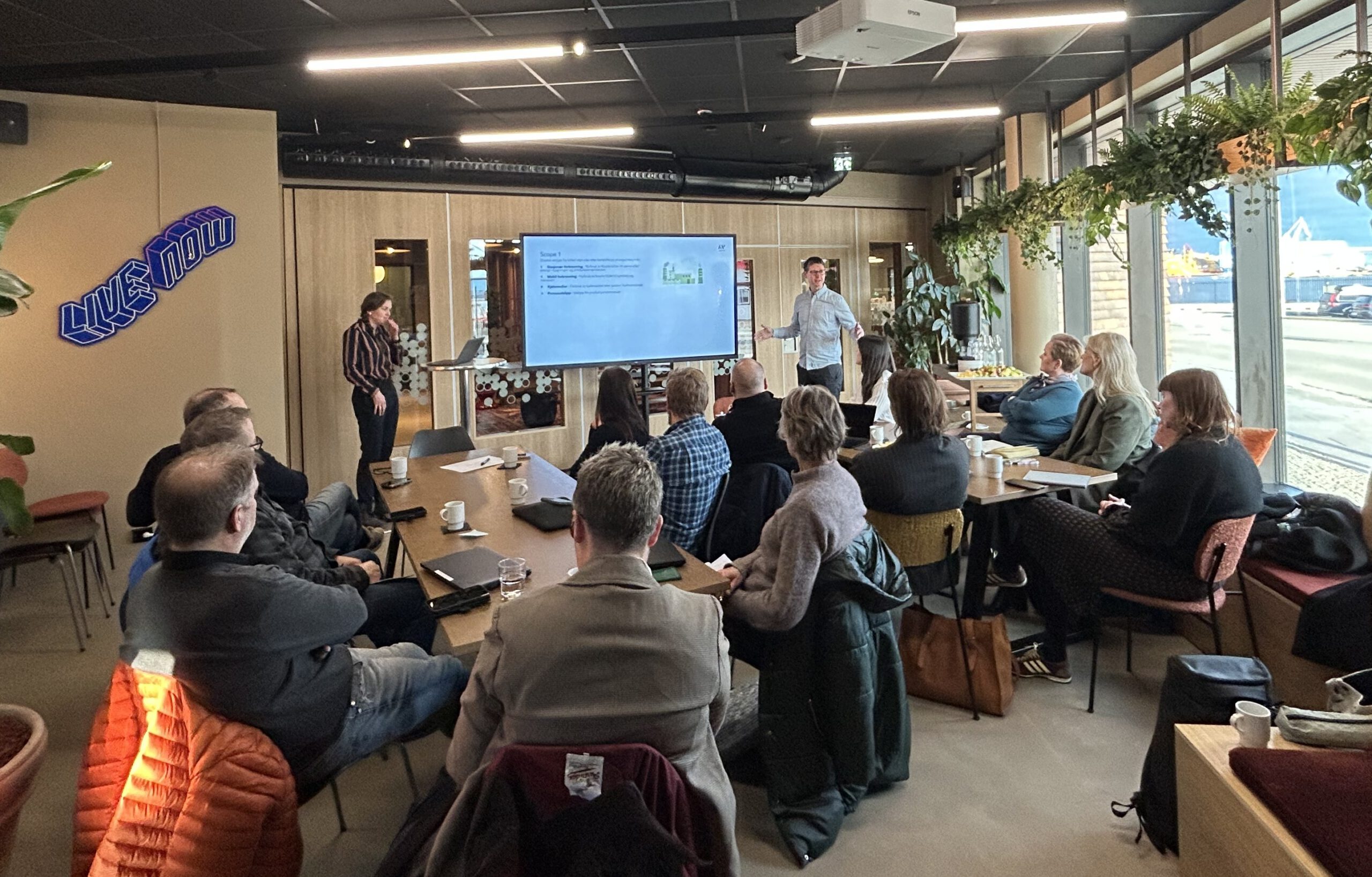
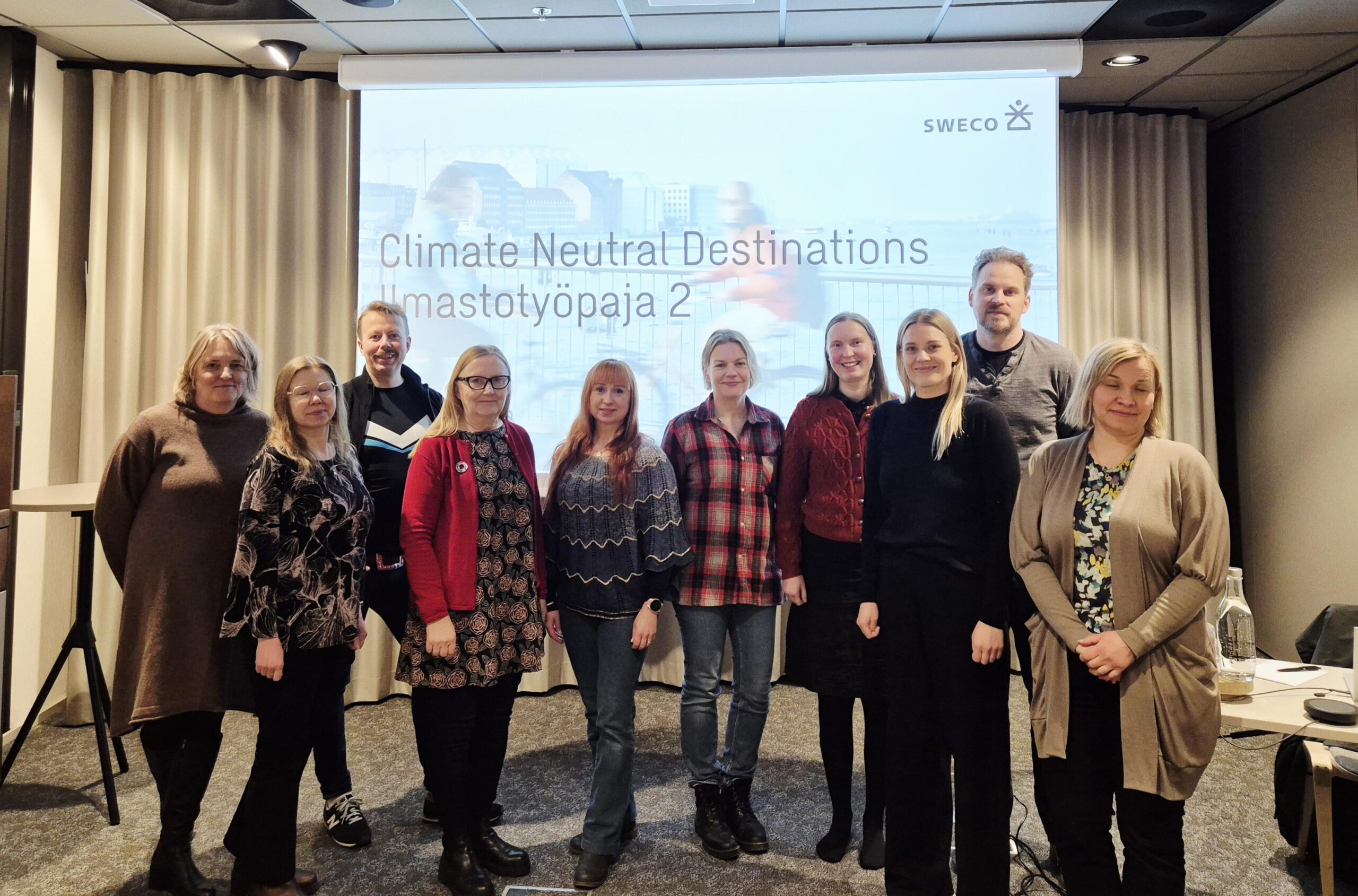
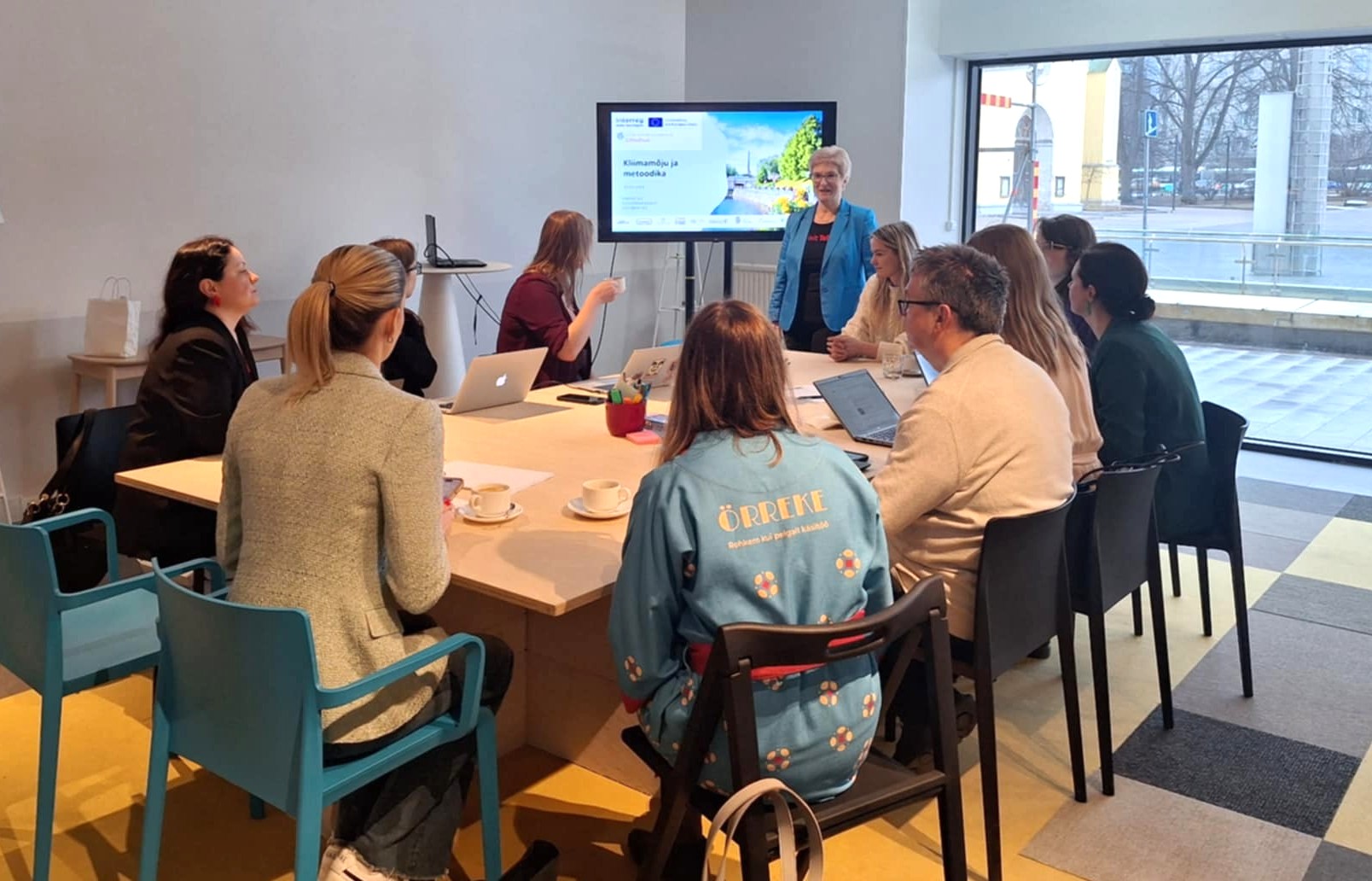
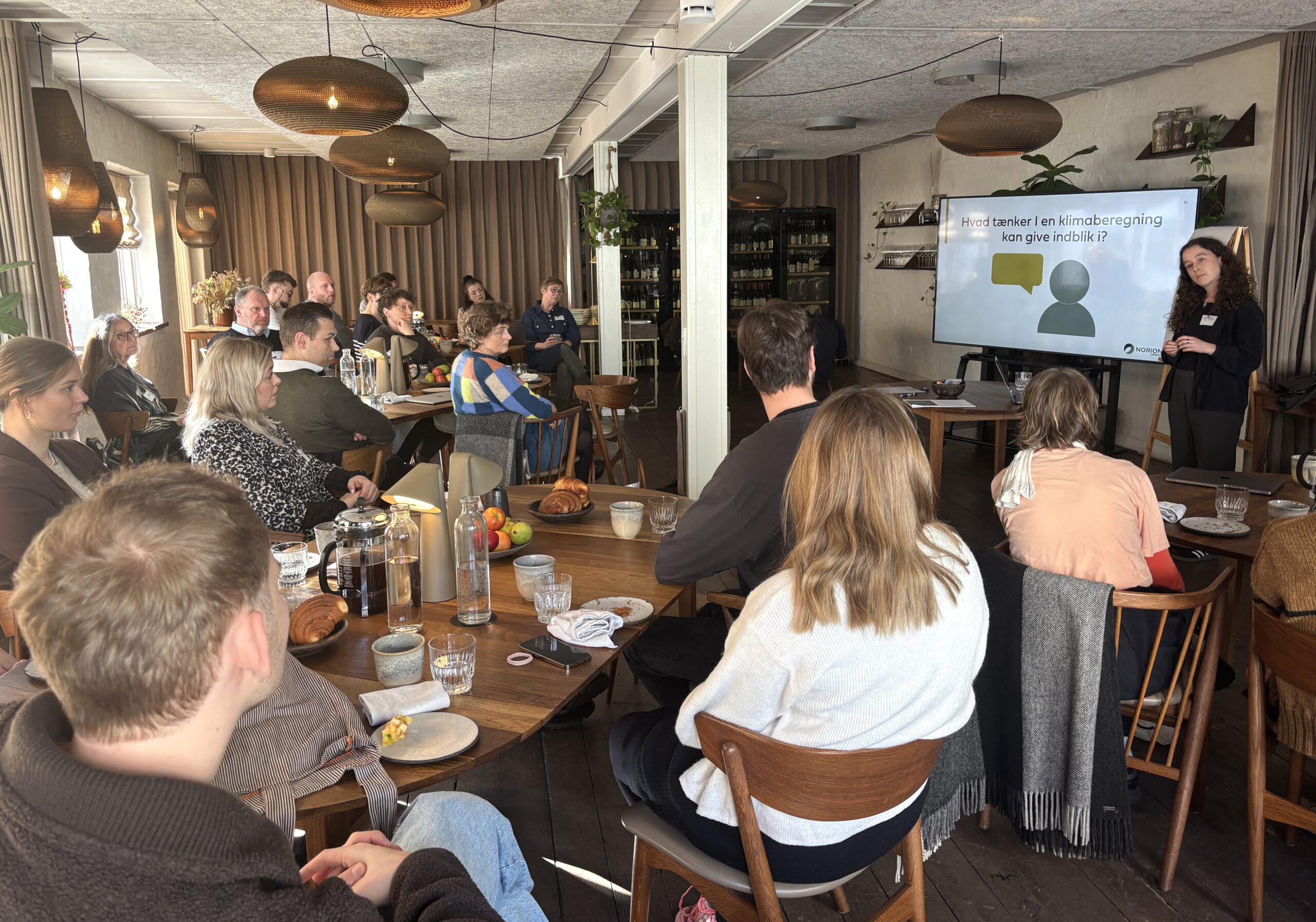
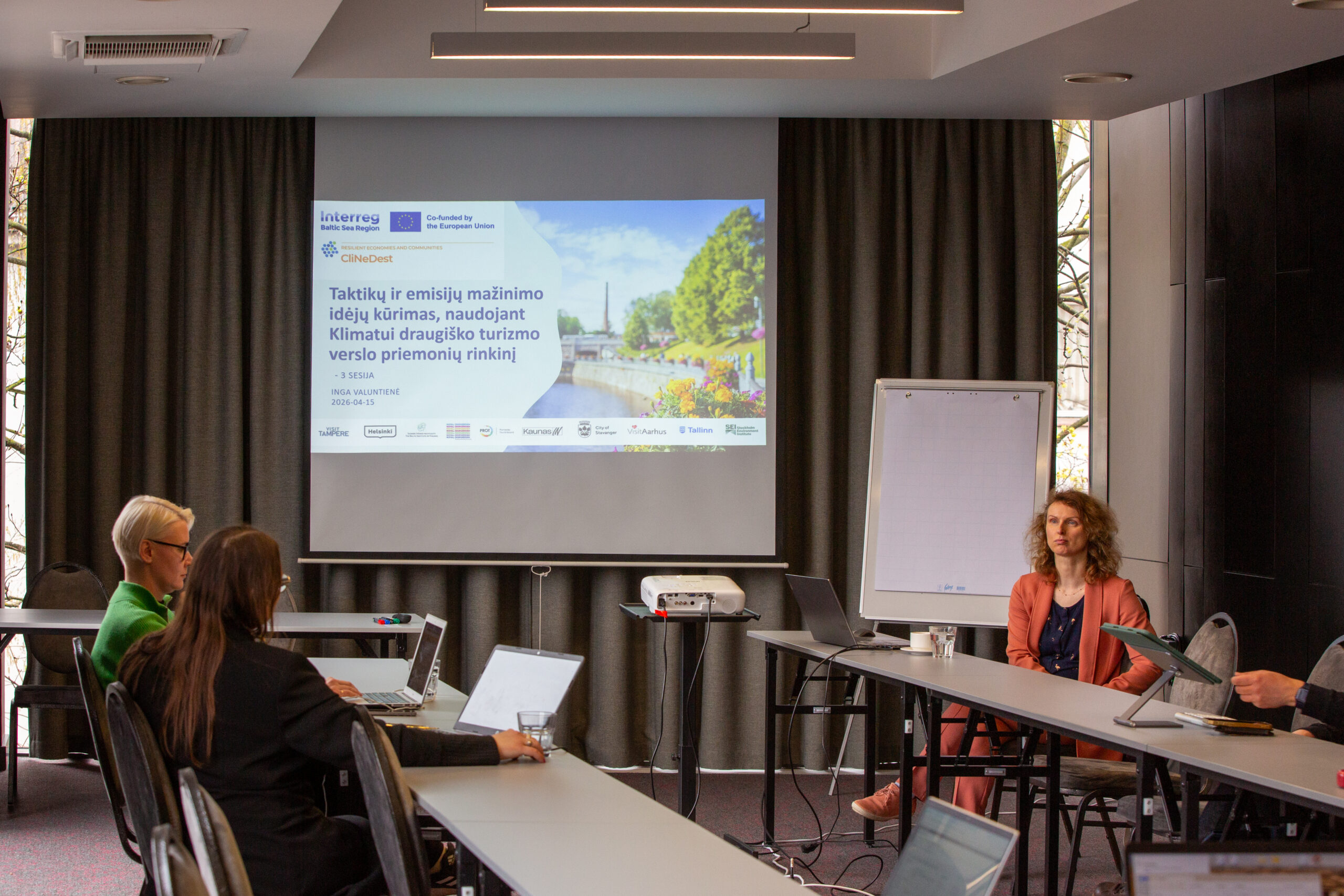
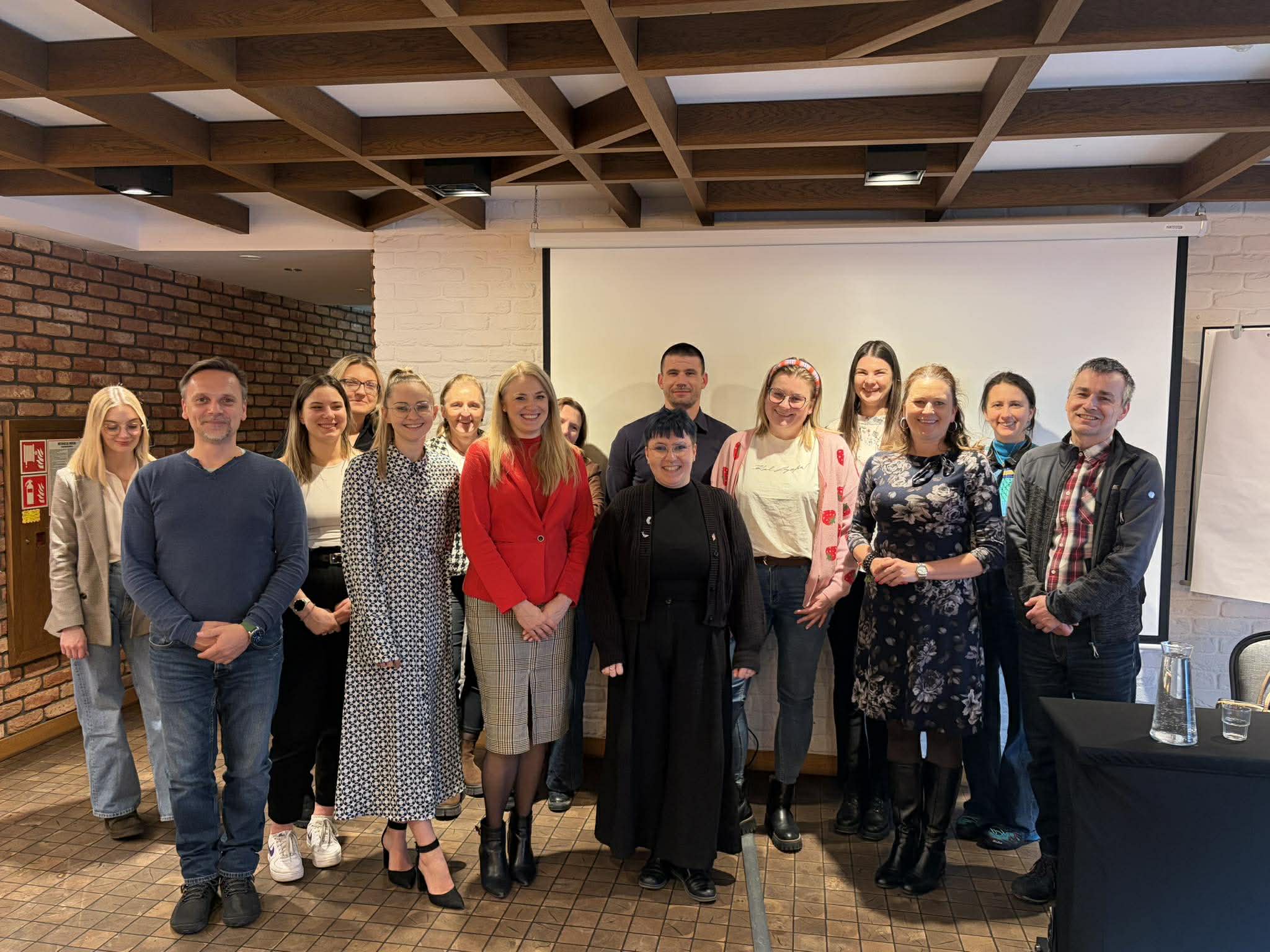
Climate-smart business development tools of the Toolkit first section were tested during spring 2026 with tourism companies in Tampere, Helsinki, Tallinn, Kaunas, Gdansk, Stavanger and Aarhus. In each destination 6-14 local tourism companies representing attractions, museums, restaurants, accommodation, festivals, events, hiking trips and travel services participated in the workshops.
Companies learned to calculate their carbon footprint. The tools available at climatesmarttourism.com helped companies understand what information to collect and how to interpret it. This also made it easier for them to identify their main emission hotspots, which sparked more grounded and realistic ideas for improvement.
The workshops gave companies most of all clarity. Many arrived with a general sense that climate action mattered, but without a concrete understanding of where their emissions came from, how to begin reducing them and what is the relevance for their business. Working with real data helped them see their operations in a more structured way.
Another major added value was the practical step-by-step guidance they received. Some participants said that the pilot strengthened their ability to communicate low carbon ideas internally, especially when presenting proposals to management.
The first section of the Toolkit includes Carbon Calculator Guide, Custom ChatGPT tool, Prompt Library, the AI assistant, and the Business Plan Template. The Carbon Calculator Guide stood out as the most useful tool, as it gave companies the confidence to calculate their emissions. For organisations with frequent travel, the Climate Smart Travel Guide was also appreciated for its practical suggestions. Other tools, such as the Business Plan Template and the Business Case Calculation Template, were seen as helpful but more demanding.
Insights from destinations
In Stavanger 10 companies participated in the workshops. According to them, one of the successes was creating a space for companies to exchange ideas, share “real-world” stories, and gain inspiration from each other’s experiences. Participation acted as a catalyst for internal shifts, inspiring businesses to initiate formal processes (for example one company started the Eco-Lighthouse certification process). Participants valued having sufficient time for in-depth professional discussions with experts and peers rather than just receiving information. For some, the process helped to recognise what they were already doing well.
Workshops in Helsinki brought together 12 tourism companies that received practical support: the AI assistant helped companies quickly turn ideas into plans, while the business plan template guided them from identifying their main emission sources to planning and prioritizing practical reduction measures.
In Kaunas the companies learned that CO2 emission measurement creates direction. Companies could see which parts of their operations mattered most. This made it easier to generate meaningful ideas for business development. Understanding their emissions also helped them think more strategically about future investments, such as switching to green electricity, improving visitor mobility options or upgrading equipment.
In Tallinn the participants noted that services should still respond to customer needs and market demand, while the way they are delivered is designed to keep emissions as low as reasonably possible.
Key learnings
- The carbon footprint is not only a reporting or compliance exercise, but a strategic input for business development.
- By identifying specific hotspots, companies shifted their focus from assumptions to areas where they could get the most significant impact.
- The pilot helped businesses move away from isolated, fragmented actions (like switching to LED lights) and instead integrate their efforts into a more systematic framework through the climate-smart business plan.
- Carbon footprint calculation only becomes valuable when it is directly linked with decision-making. Once companies identified their main emission hotspots, they were able to focus on the few areas that matter most, such as energy use and procurement, and turn these insights into concrete priorities and even new business opportunities.
- The main challenges were related to the perceived complexity of separate templates and tools, and the limited attention given to change management and practical implementation within the company.
The feedback from the companies is used to fine-tune the toolkit with the aim to make it as clear and useful as possible.

details
-
Homepage
-
Project typeCore Project

-
ImplementationMarch 2025 - February 2028
-
StatusOngoing
-
Contribution to EUSBSRPolicy Area Tourism

-
Target groups
- Business support organisation
- Large enterprise
- Small and medium enterprise
-
Social media
-
Additional links
-
Tags