



HAZGONE highlights shared priorities at LIMIT’s Final Conference
12 June 2026
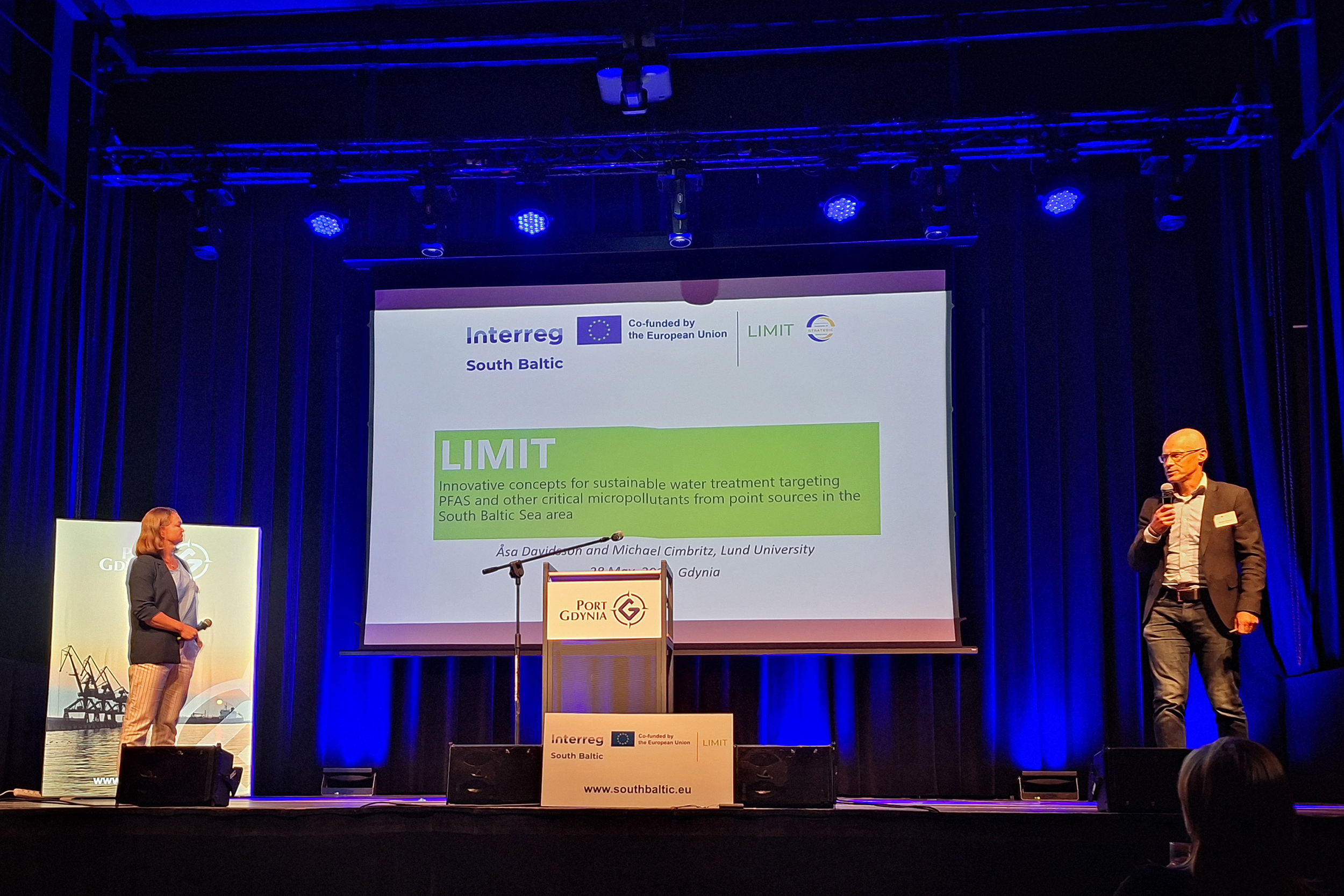
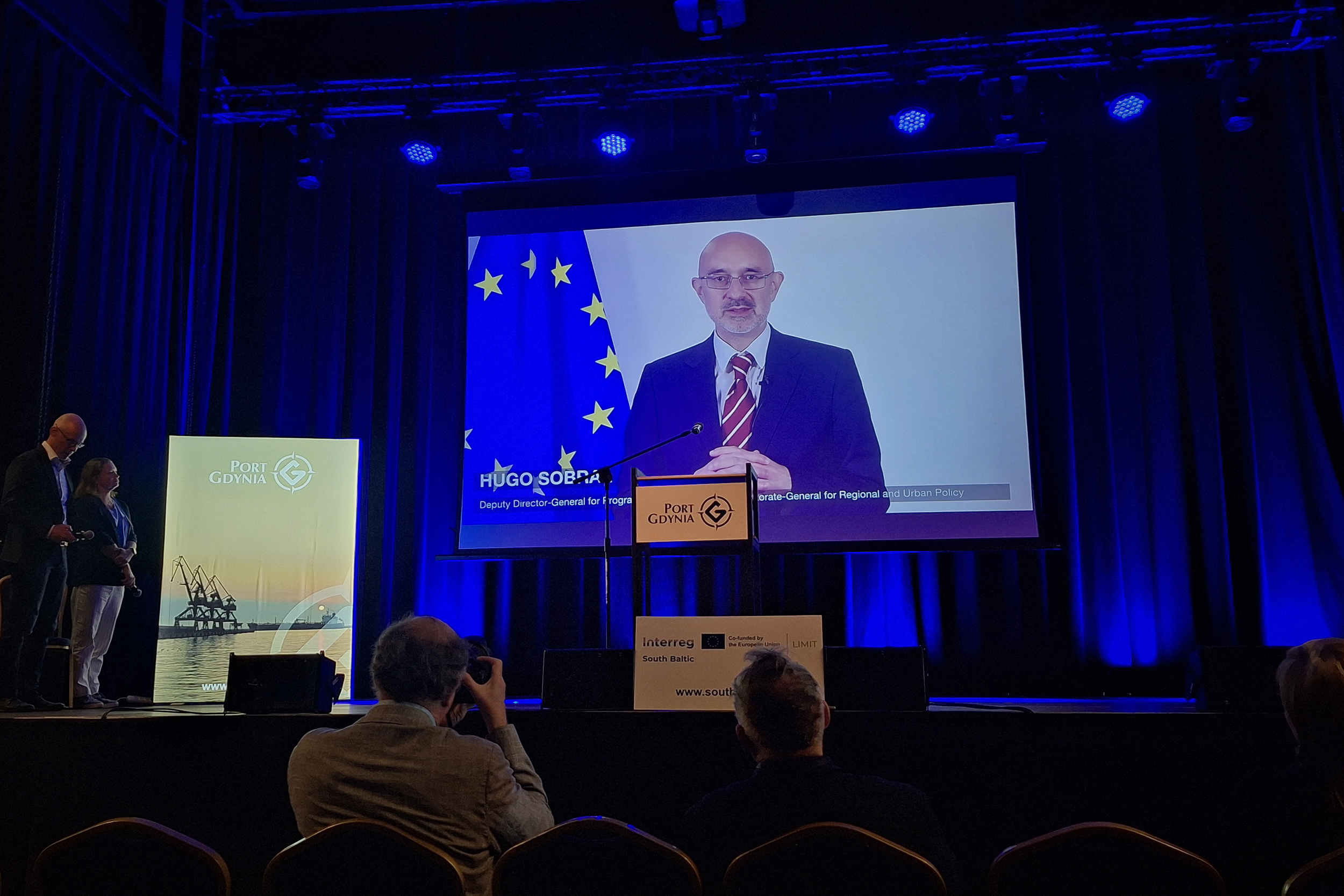
The LIMIT project, co-funded by Interreg South Baltic Programme, organized the final conference on 28 May 2026 in the premises of the local host, Port of Gdynia.
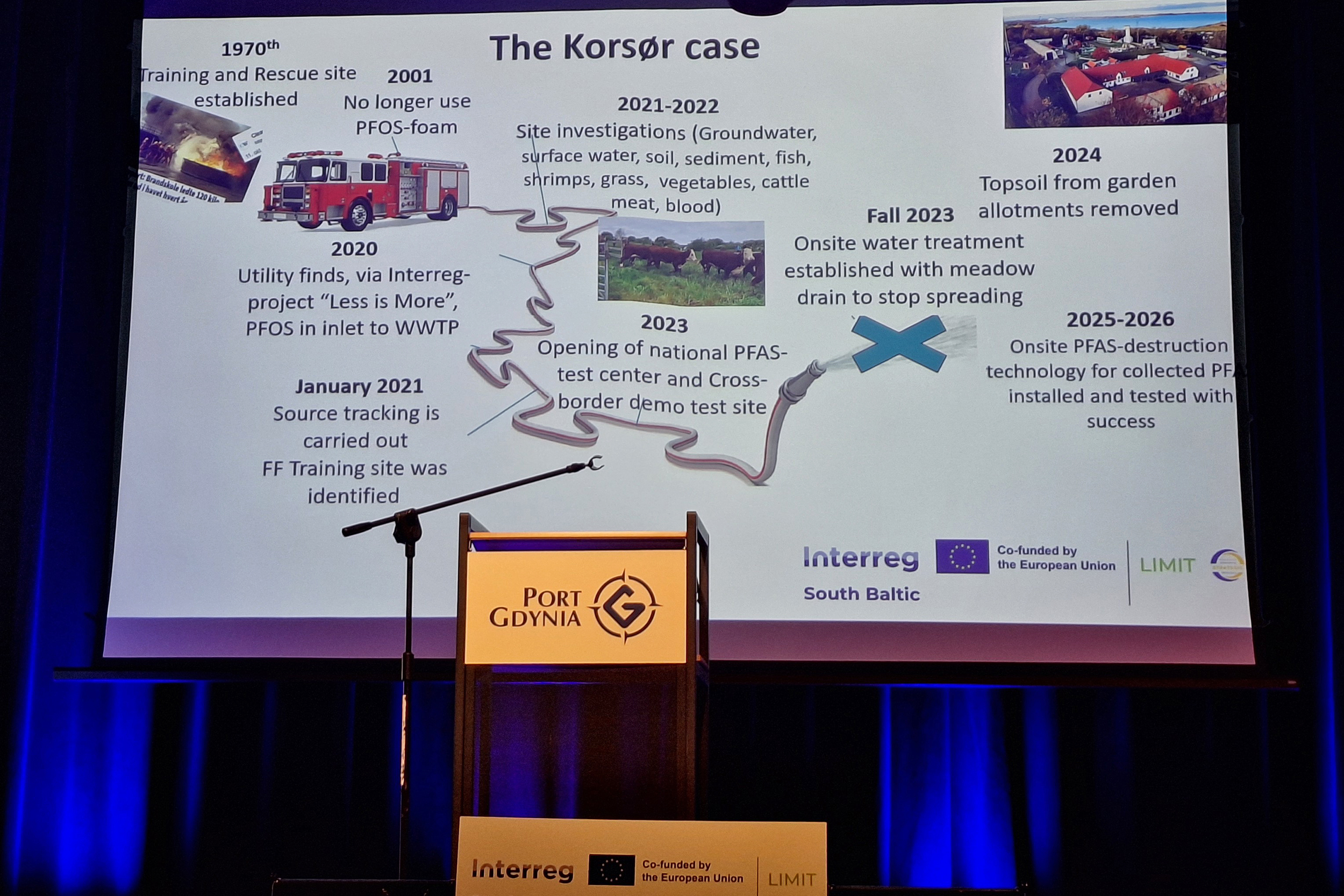
The project LIMIT – Innovative concepts for sustainable water treatment targeting PFAS and other critical micropollutants from point sources in the South Baltic Sea area – is closely connected to HAZGONE priorities. The main aim of the project is to reduce the amount of hazardous chemicals in the water cycle, concentrating on wastewater treatment and remediation of stormwater and groundwater near pollution hotspots, such as the Korsør firefighting training site in Denmark. The focus is on removal of PFAS (Per- and polyfluoroalkyl substances), also known as forever chemicals due to their persistence. The project aimed also at removing other micropollutants, such as pesticides and antibiotics, from the water cycle. These objectives were shared by many projects forming the HAZGONE platform, including EMPEREST, APRIORA, and ZeroPM.
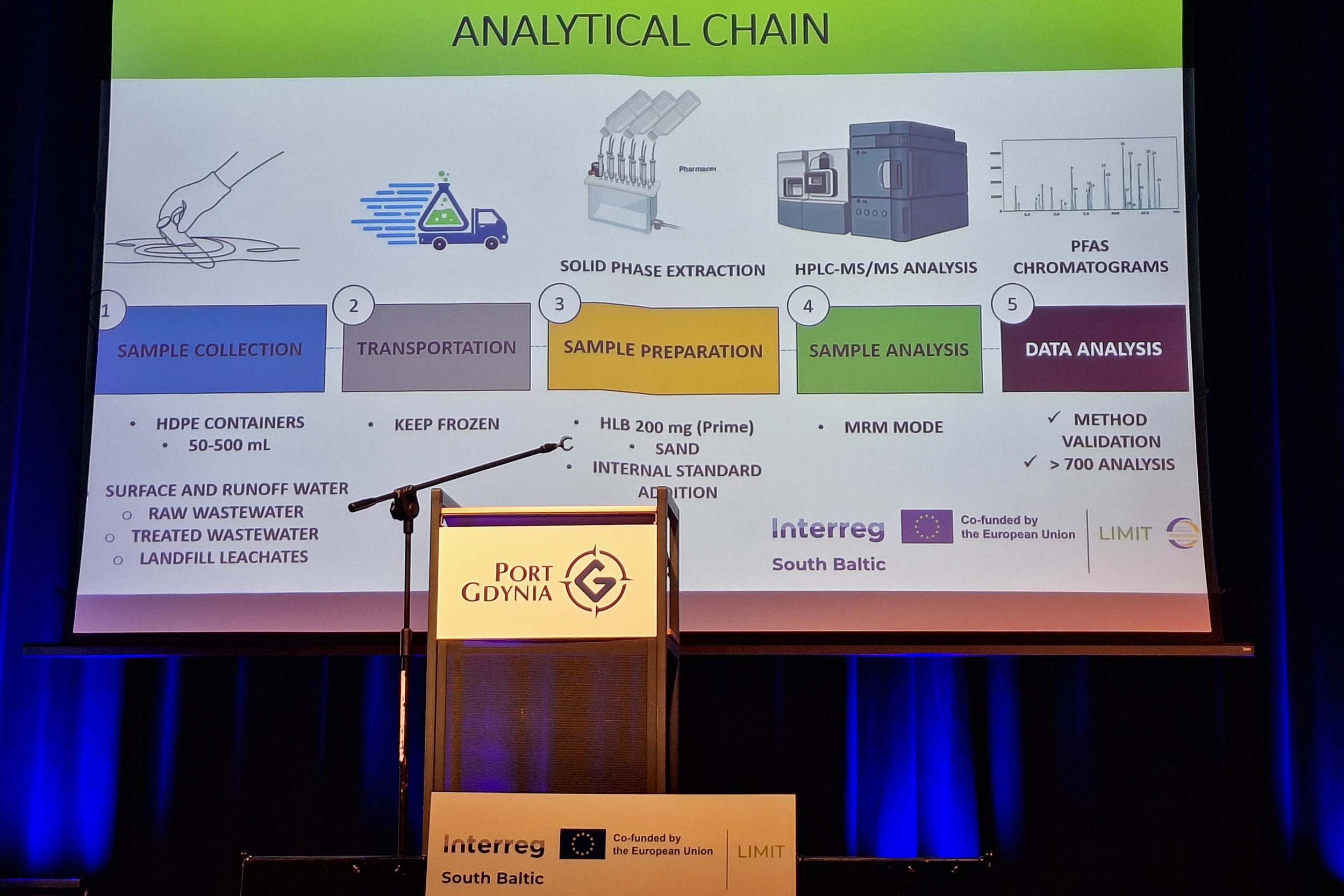
Key takeaways from the conference, and of the project results, include appeals to improve the laboratory services selection. The LIMIT project experts scrutinized the water sample analysis process of e.g. surface and runoff water, raw wastewater, treated wastewater and landfill leachates. They described systematically the multiple parameters to be taken into account in the process from sample collection to transportation, sample preparation, sample analysis and finally data analysis. Regarding the actual analysis of samples, the selection of packages many commercial laboratories offer was considered unfitting with e.g. the current EU legislation requirements.
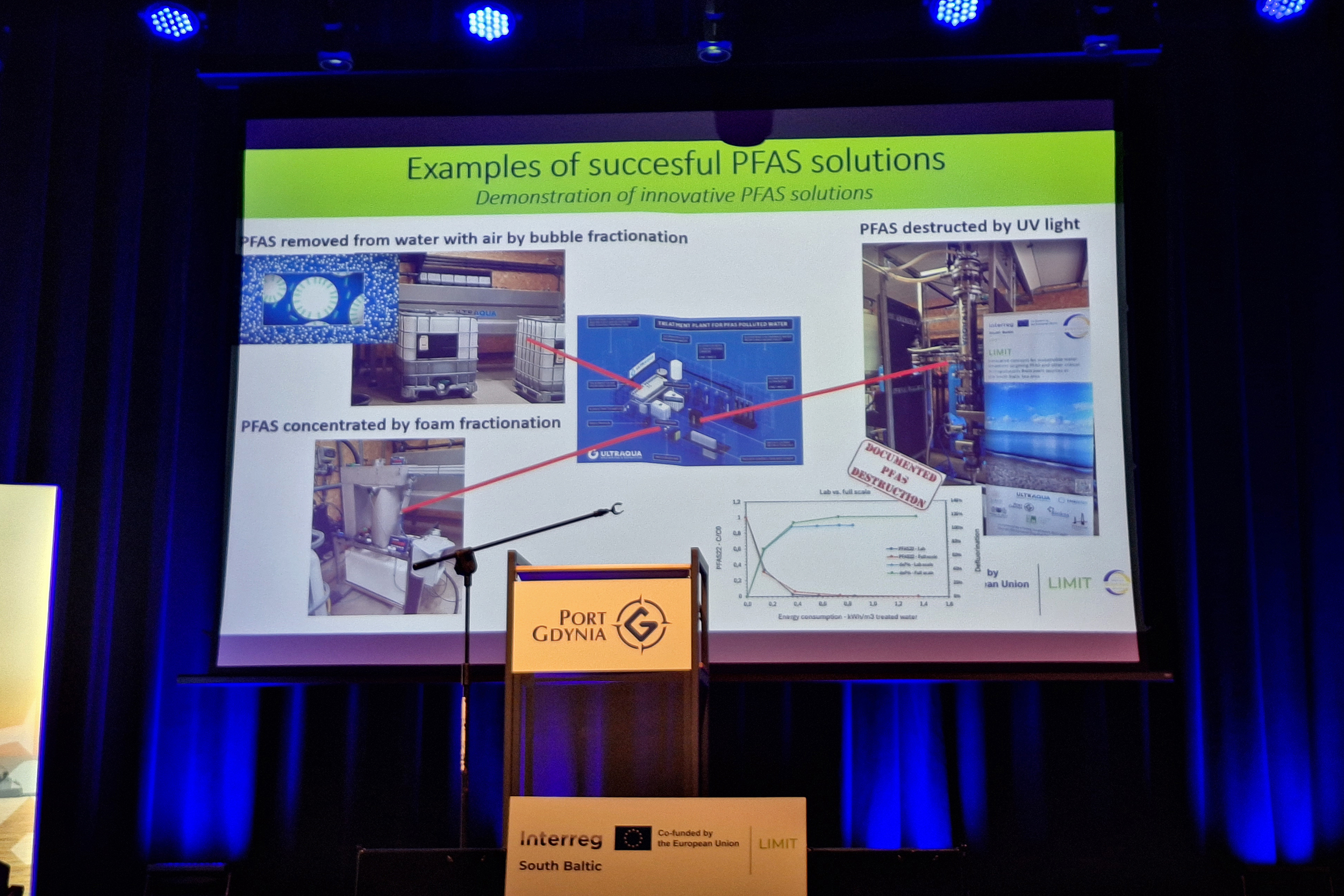
For the removal of micropollutants from water, LIMIT was testing available ready-to-use technologies, such as ozonation and activated carbon filtration, but also participated in the development of emerging technologies such as bubble fractionation and diamond electrodes. The project also explored possibilities of creating more climate-friendly activated carbon from lignin. Finally, the project paid a lot of attention to the final destruction of PFAS compounds once they have been removed from water with different technologies.
The conference started with a cruise on a wooden old ship, Dragon, in the Port of Gdynia area and ended with a lovely networking dinner. In their closing remarks at the conference, Lead Partner representatives Åsa Davidsson and Michael Cimbritz from the Lund University highlighted not only the important results of the project but also the good spirit of collaboration in the consortium.
HAZGONE congratulates the project on the job well done and invites LIMIT project to join the platform activities for ensuring the further transfer of LIMIT findings – and pursuing collaboration across borders!

Additional links
details
-
Homepage
-
Project typeProject Platform
-
ImplementationJuly 2025 - June 2028
-
StatusOngoing
-
Contribution to EUSBSRPolicy Area Hazards

-
Target groups
- Business support organisation
- Infrastructure and public service provider
- Local public authority
- National public authority
- NGO
-
Social media
-
Additional links
-
Tags