




Expert support helped tackle SUMP challenges across cities in the Baltic Sea Region
11 June 2026
The SUMP Clinic’s tailored, hands-on support helped selected cities address their most pressing challenges in sustainable urban mobility planning (SUMP). As part of the SUMPs for BSR project’s training programme for local authorities, the clinic offered each city expert guidance closely aligned with its local context, priorities, and stage of SUMP development.
The Baltic Sea Region cities Vaasa in Finland, Tartu in Estonia, Rostock in Germany, Luleå in Sweden and Taurage in Lithuania received personalised, one-on-one support from experienced SUMP experts Kristina Gaučė and Monika Parafinaitytė-Rae from Gaučė ir Ko. The experts bring years of experience in strategic mobility planning tailored to Baltic Sea Region contexts.
Turning strategic goals into concrete actions

Copyright: City of Vaasa / Christoffer Björklund
Vaasa, a growing city on the coast of the Gulf of Bothnia with 71,000 residents, is currently updating their Sustainable Mobility Programme. Participation in the SUMP Clinic came at a crucial moment in its mobility planning process, providing tailored expert support at an early stage when it can really shape the process. As a mid-sized city, Vaasa faces complex mobility, climate, and accessibility challenges while having limited resources and experience in developing a SUMP. Through one-on-one consultations and personalised recommendations, the Clinic supported the development of a realistic and implementable plan, strengthened local capacity, and helped translate strategic goals into concrete actions.
— This support has really helped us in setting up measurable goals and targets. We also got ideas on how to build support through stakeholder engagement. We have already taken the ideas into action by planning workshops for specific stakeholder groups, says project engineer Samuli Huusko from the City of Vaasa.
With a population of 100 000, Tartu is the second largest city in Estonia and the main regional centre of Southern Estonia. The city is required to prepare a SUMP covering the functional urban area in line with the TEN-T regulation. The SUMP clinic helped Tartu structure the SUMP process into clear and manageable steps and identify timeline for each. Expert support enabled the city to approach the process efficiently from the outset, while ensuring that all relevant aspects are addressed, and no important issues are overlooked.
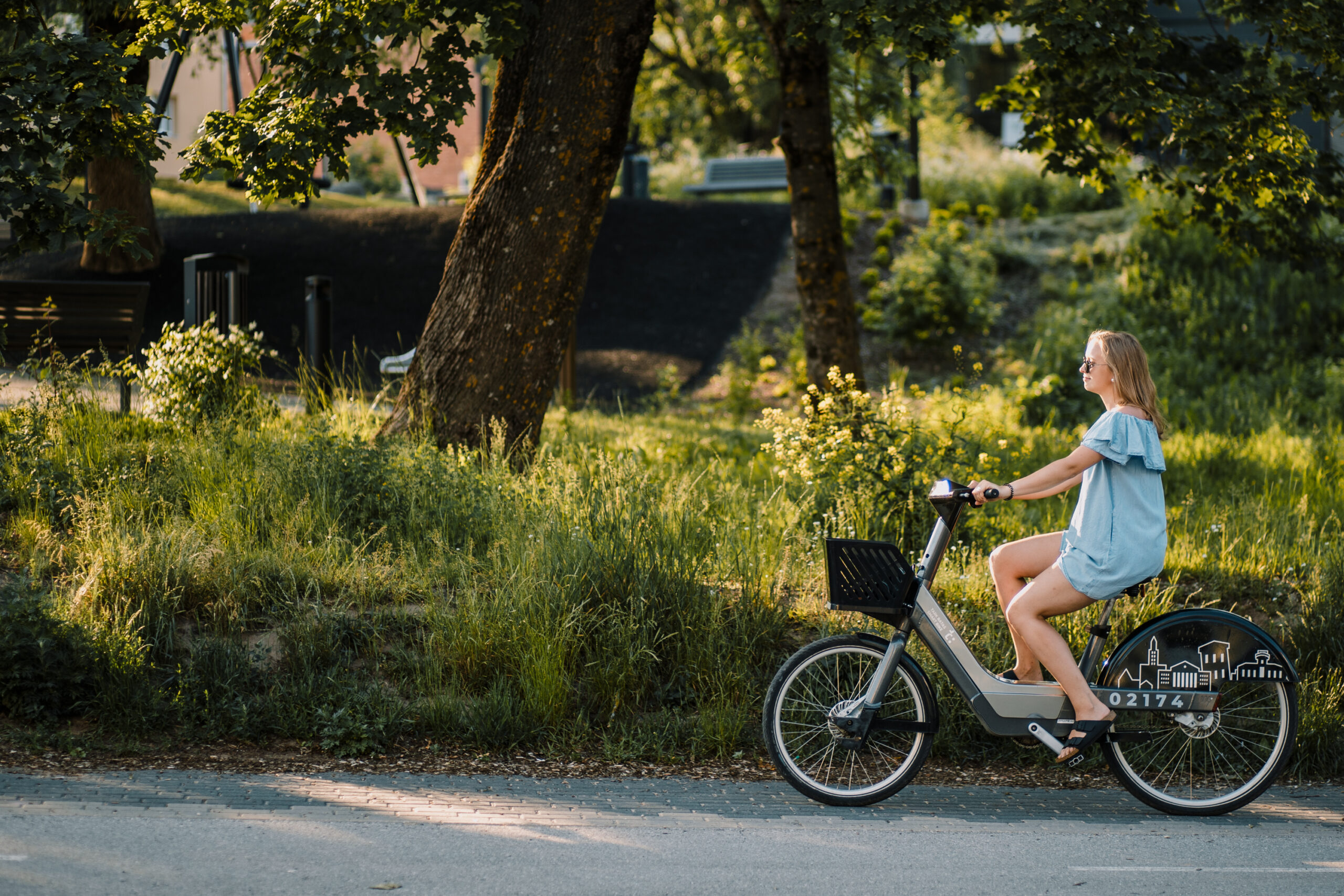
Copyright: City of Tartu photo bank / Mana Kaasik
Defining relevant indicators and key figures
Rostock, an urban node and the only city in Mecklenburg-Western Pomerania, has a population of 207 000 and is currently updating its traffic development plan. The SUMP clinic offered support during the preparation phase of the complex process. Ultimately, the city aims to develop a “living” SUMP document, moving from static reports to digital, geographic information system (GIS) based tools and processes.
Luleå, with a population of 80 000 and located in the largest functional labour market region in northern Sweden (approximately 177 000 people), aims to shift mobility patterns towards more sustainable modes. Reducing car use and increasing trips made by public transport, cycling or walking, are central to this transition. During the SUMP clinic, the focus was on identifying key stakeholders to ensure ownership of the city’s traffic strategy and identifying measures and relevant indicators to monitor their impact.
Taurage, with a population of 37 000, is among the Lithuanian cities aiming for climate neutrality. The transport sector remains the most challenging, as it generates the majority of emissions. While Taurage is a compact and walkable city in terms of distances, private car use is still the most dominant mode of transport, as in many Lithuanian cities. The city is currently updating its SUMP and the experts provided guidance on clarifying the objectives and focusing on the measure outcomes to monitor performance.
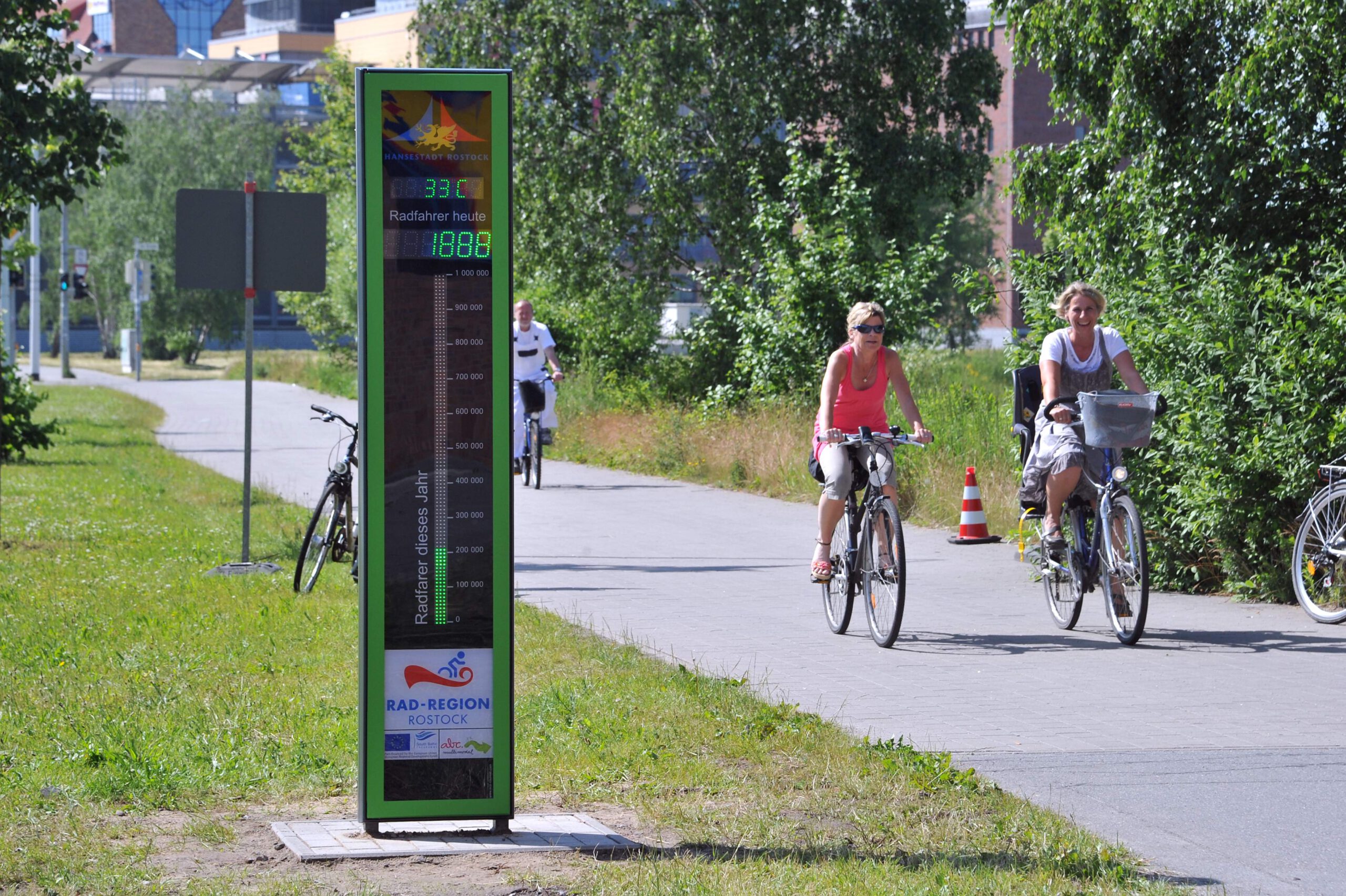
Copyright: Hansestadt Rostock / Joachim Kloock
Identifying critical stakeholders in the SUMP process
A crucial step in SUMP development is identifying all relevant stakeholders and ensuring their involvement, particularly when integrating mobility and spatial planning. Effective stakeholder engagement should aim to build shared responsibility for implementation and foster a sense of ownership, says SUMP expert Kristina Gaučė.
As the participating cities learned, a successful SUMP process begins with a clear definition of simple, people-oriented objectives that articulate desired future outcomes and guide the overall process. These objectives should be closely linked to measurable indicators and relevant data, ensuring an evidence-based approach. Emphasis should be placed on the outcomes of measures rather than their outputs, enabling early assessment of whether selected actions are sufficient to achieve strategic goals and allowing for timely adjustments.
At the same time, stakeholder engagement must be meaningful, and the planning process should remain realistic and resource aware. Clear objectives and targeted indicators support effective monitoring, help identify data gaps, and enable coherent integration with broader spatial and mobility planning frameworks.
— Our experience with the SUMP Clinic has shown that cities need tailored support alongside traditional SUMP training programme. We also gained valuable insights through this process and learned a great deal from the commitment and effort demonstrated by the participating cities, says Dr. Kristina Gaučė, the leading SUMP expert of the SUMP clinic and the training programme.
The SUMPs for BSR project, co-funded by the Interreg BSR programme, is supporting the transition to sustainable urban mobility planning. Interested in developing your city’s Sustainable Urban Mobility Planning? Explore the Baltic Sea Region SUMP Competence Centre at: bsr-sump.eu.

Additional links
details
-
Homepage
-
Project typeCore Project

-
ImplementationNovember 2023 - October 2026
-
StatusOngoing
-
Contribution to EUSBSRPolicy Area Spatial Planning

-
Target groups
- Local public authority
- National public authority
-
Social media
-
Additional links
-
Tags