




From Waste to Valuable Material: The 2026 Repair & Upcycling Festival in Kiel Celebrates Circularity
21 May 2026
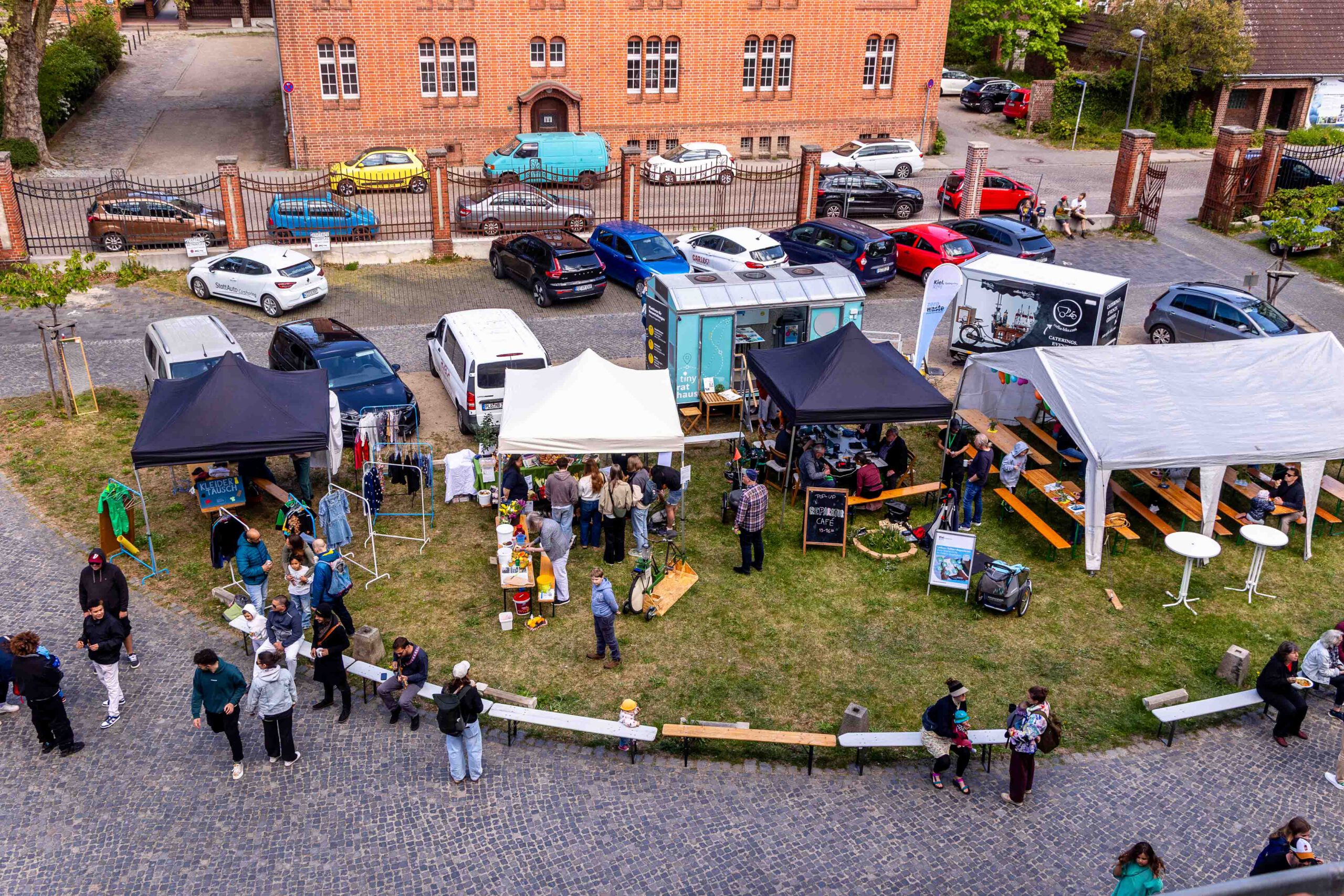
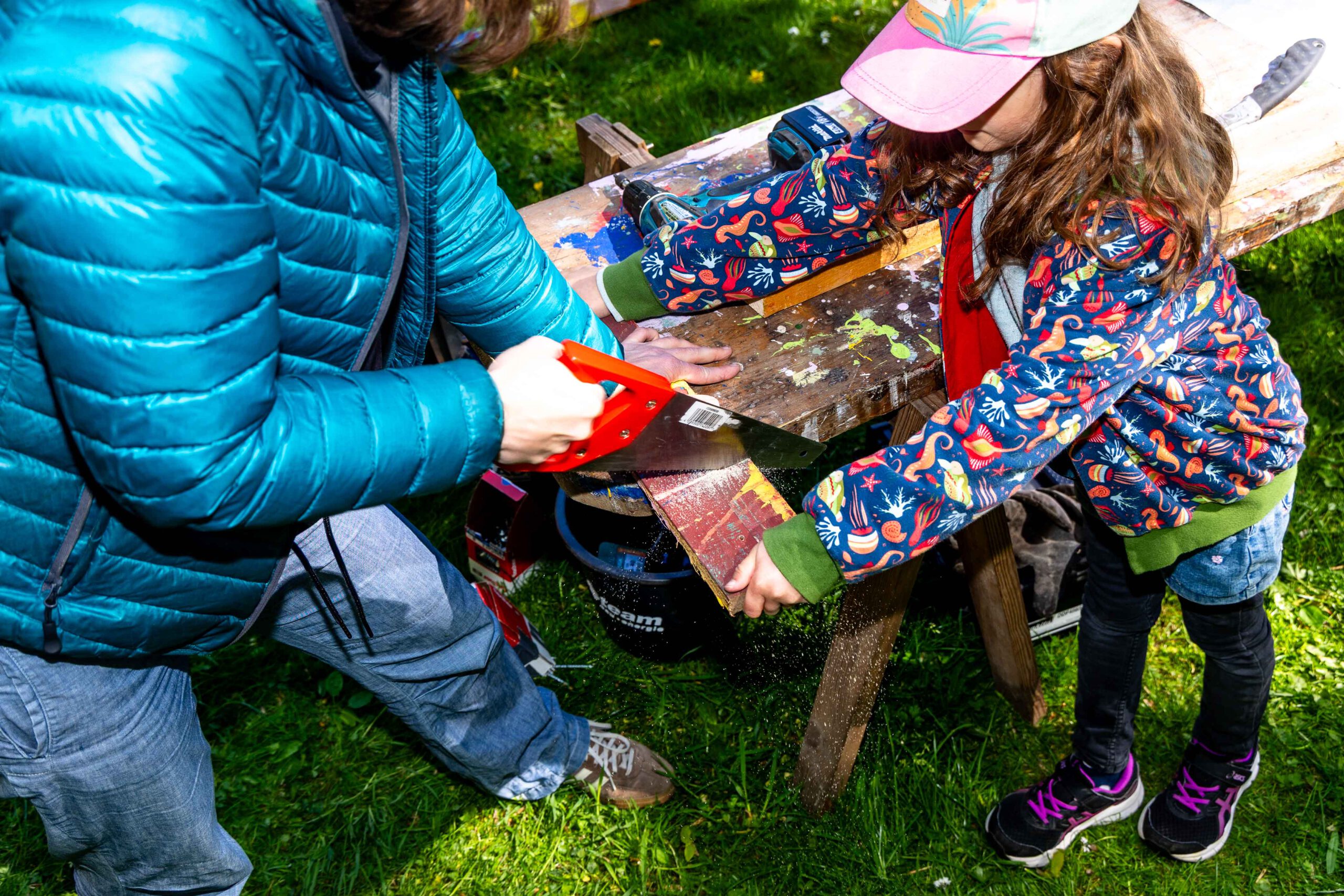
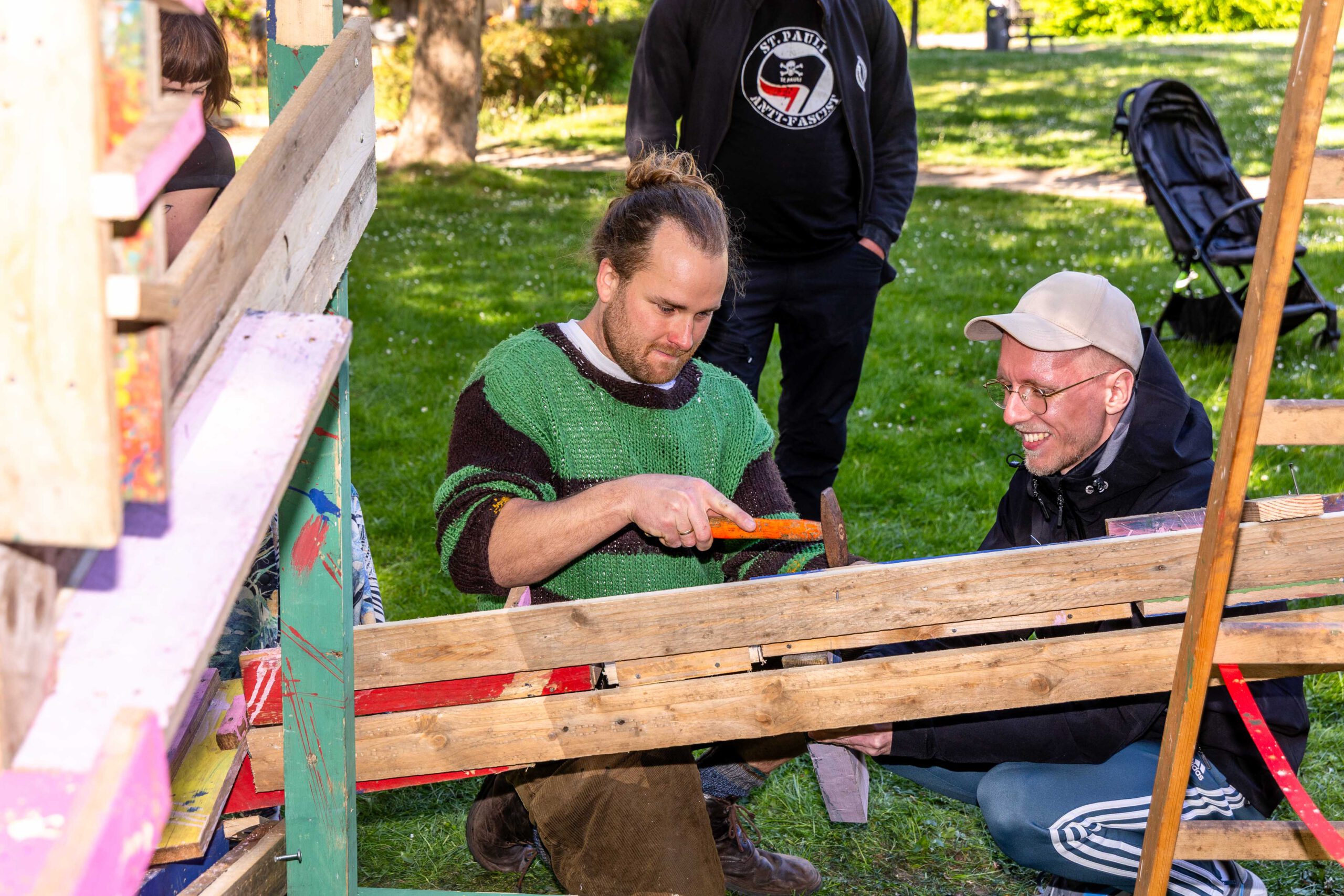
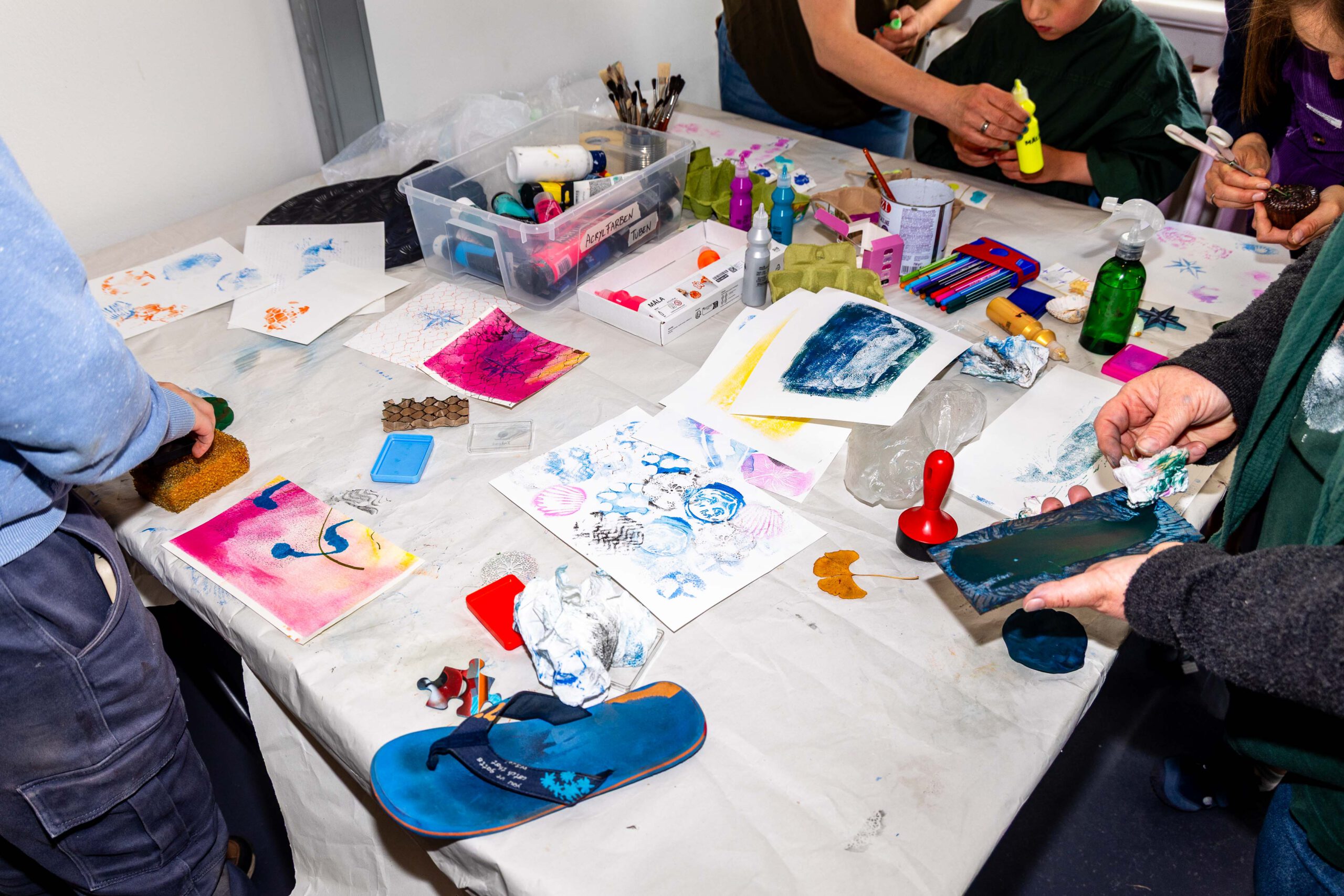
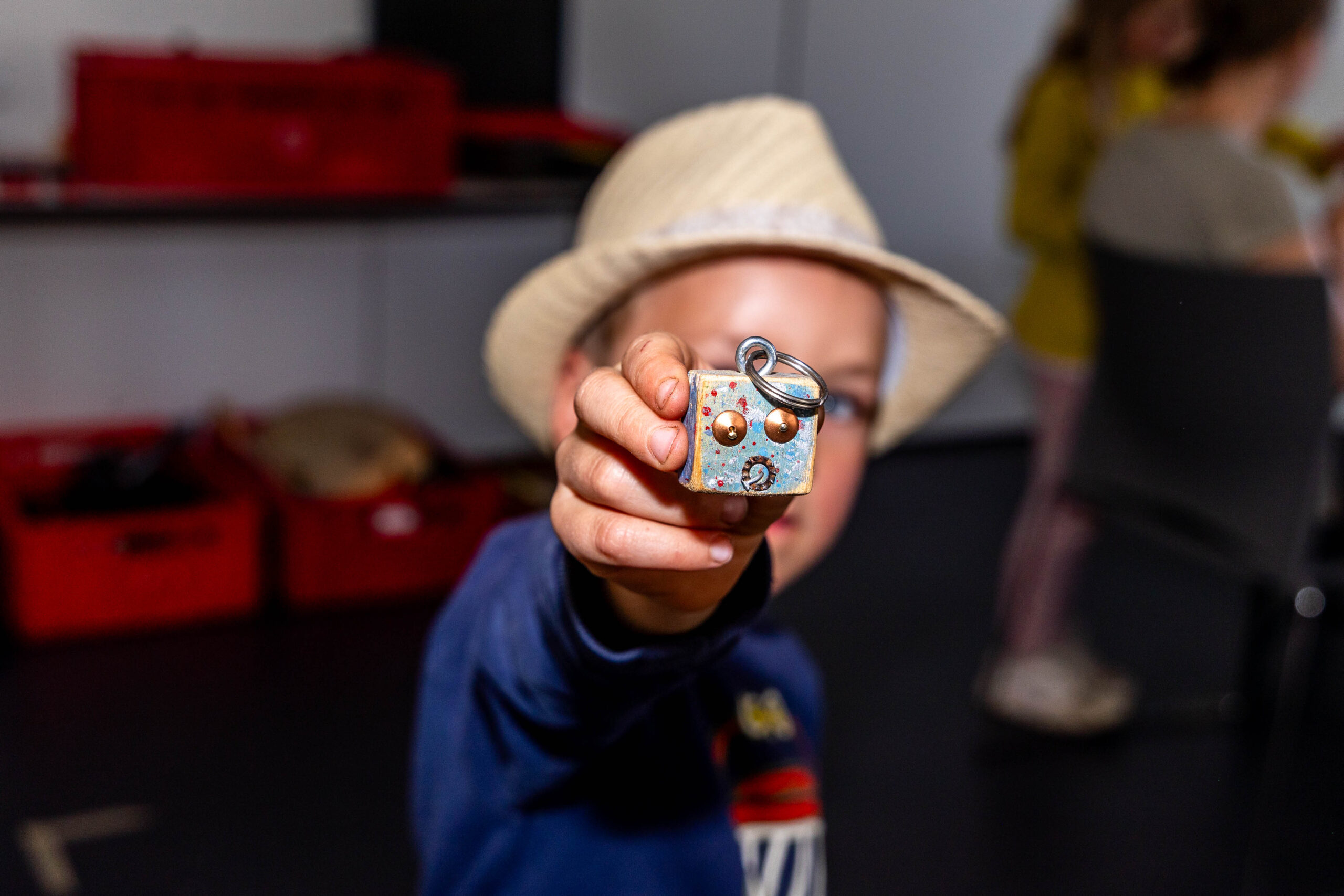
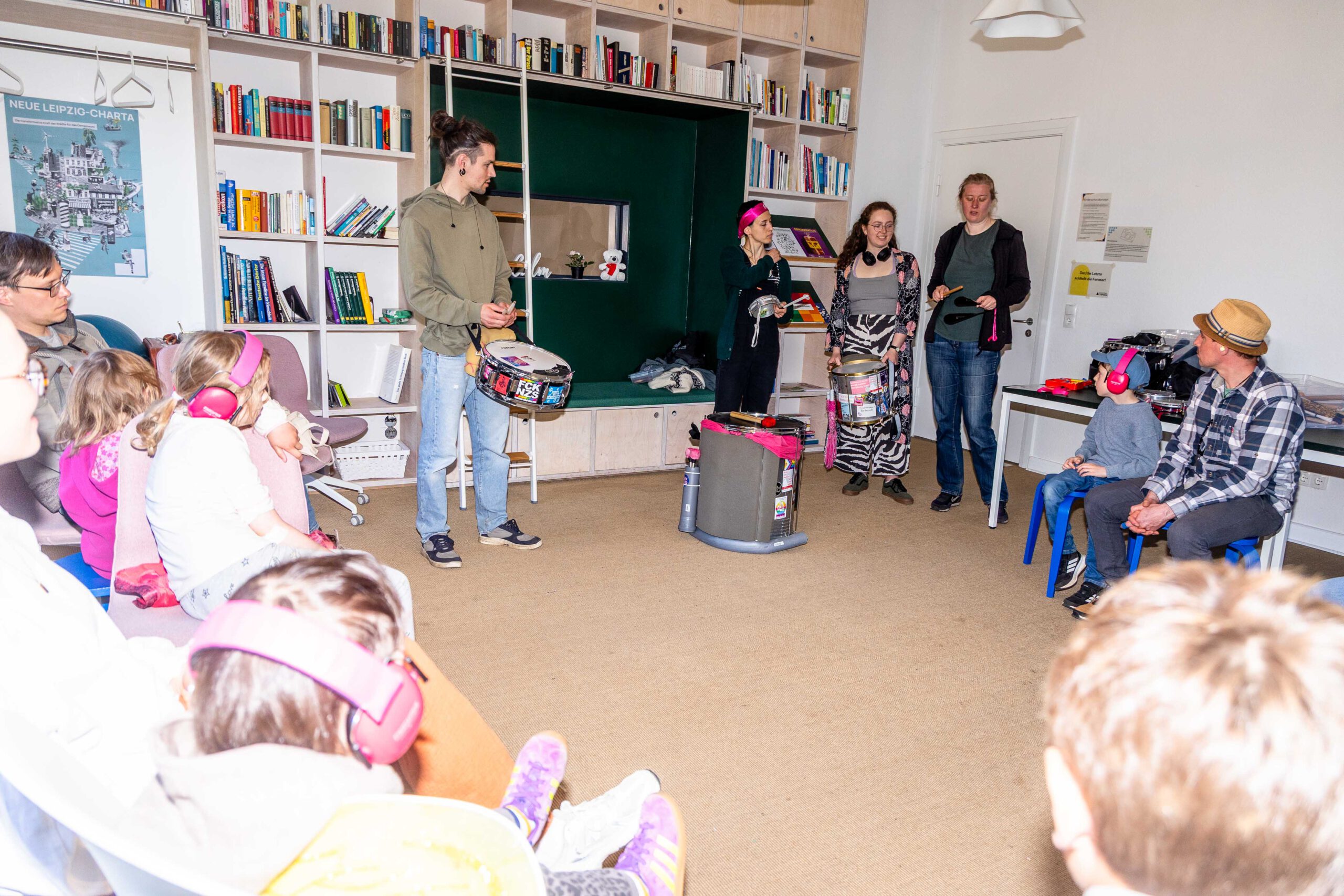
On May 9th, the Anschar Campus in Kiel transformed into vivid proof that waste is often just a matter of perspective. “Was that an elephant in the building just now?” — many visitors asked in bewilderment. The loud trumpeting wasn’t an animal, but the soundtrack of the repair and upcycling festival, where children and young people created new musical instruments from old objects. Over 600 visitors used the sunny Saturday not just to observe, but to actively participate in over 25 interactive formats. The workshops showed how new functions and aesthetics can emerge from broken laptops, old wood, damaged bicycles, and plastic remnants.
The focus was on practical skills development. While People4Future showed how balcony power plants can be built yourself, Jan Heinrich constructed a huge marble run together with children. Meergut highlighted the use of seagrass as a sustainable raw material, and UpWert taught techniques for quick repairs of everyday defects. Creative approaches were central to the Festival: At Trash Pick, jewelry emerged from ocean plastic, and Foodsharing combined education about food waste with the preparation of smoothies from rescued food.
The culinary provision by the Resteritter underscored the principle of regional value creation, while the Zero Waste team of the city of Kiel together with volunteer repairers from the neighbourhoods Wik and Gaarden opened a pop-up repair café in the “Tiny Town Hall” and presented concrete municipal offerings. The musical conclusion by the band Nativo rounded off a program that made clear: sustainability is not a niche topic, but a societal necessity.
The Context: Why Such Initiatives Are Urgently Needed
The importance of such events only becomes fully apparent through the dimensions of the current waste crisis in Germany and specifically in Kiel. The following data underscores the potential of repair and upcycling:
- Electronic Waste (E-Waste): Based on data from 2023, approximately 2.7 kg of electronic waste per capita was generated in Germany. This corresponds to a total amount of around 228,800 tons annually. A significant portion of this contains valuable metals such as gold, copper, and rare earth elements that could be recovered through repair and proper recycling, instead of ending up in incineration.
- Bulky Waste: The amount of bulky waste is also considerable. The German Federal Environment Agency records several hundred thousand tons of bulky waste annually. Estimates suggest that approximately 815,000 tons (2023) of bulky waste is generated annually in Germany. A large proportion consists of durable goods such as furniture and household appliances, whose lifespan could often be significantly extended through simple repairs before they must be disposed of as waste. → Link to UBA
- Plastic Waste: Germany is among the countries with the highest per capita consumption of plastic packaging. Overall, approximately 17.92 million tons of plastic waste (including packaging and non-packaging plastics) is generated annually in Germany. While large quantities are recycled, a significant portion ends up in thermal recovery or enters the environment — albeit in smaller quantities than in the past. Initiatives such as converting ocean plastic into jewelry (as shown at the festival) are an important component for raising awareness about these material flows. –> Link to UBA
The Repair & Upcycling Festival has shown that the path to a circular economy begins not only politically, but also in societal action.
The festival was carried out as part of the Creative Circular Cities project in cooperation by the Heinrich Böll Foundation Schleswig-Holstein and Anschacampus, and is funded by Interreg Baltic Sea Region, co-financed by the European Union.

Additional links
details
-
Homepage
-
Project typeCore Project

-
ImplementationNovember 2023 - October 2026
-
StatusOngoing
-
Contribution to EUSBSRPolicy Area Culture

-
Target groups
- Business support organisation
- Interest group
- Local public authority
- National public authority
- NGO
-
Social media
-
Additional links
-
Tags