




Data, dialogue and district heating: PlanHeat partners exchange insights in Riga
08 May 2026
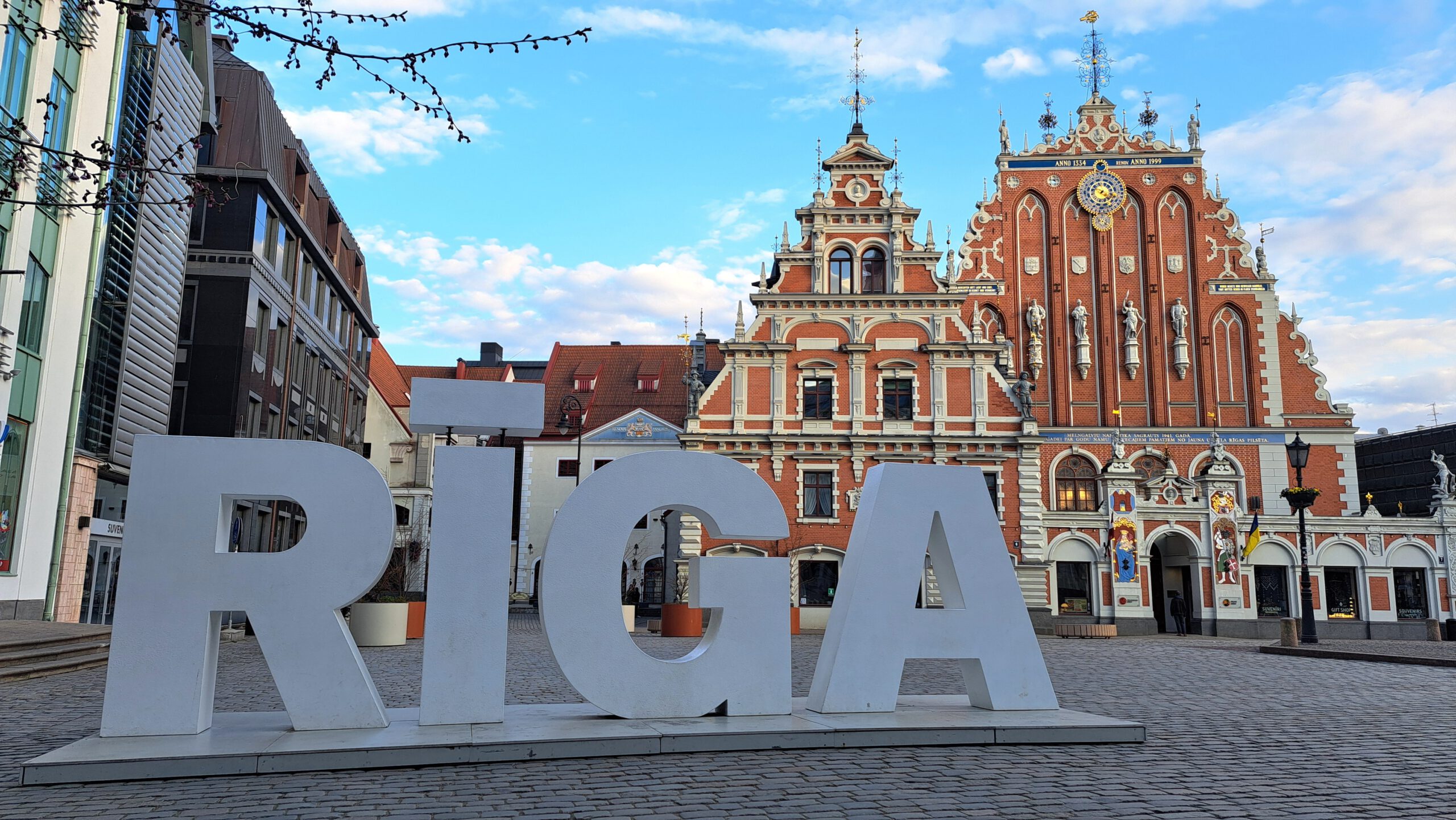
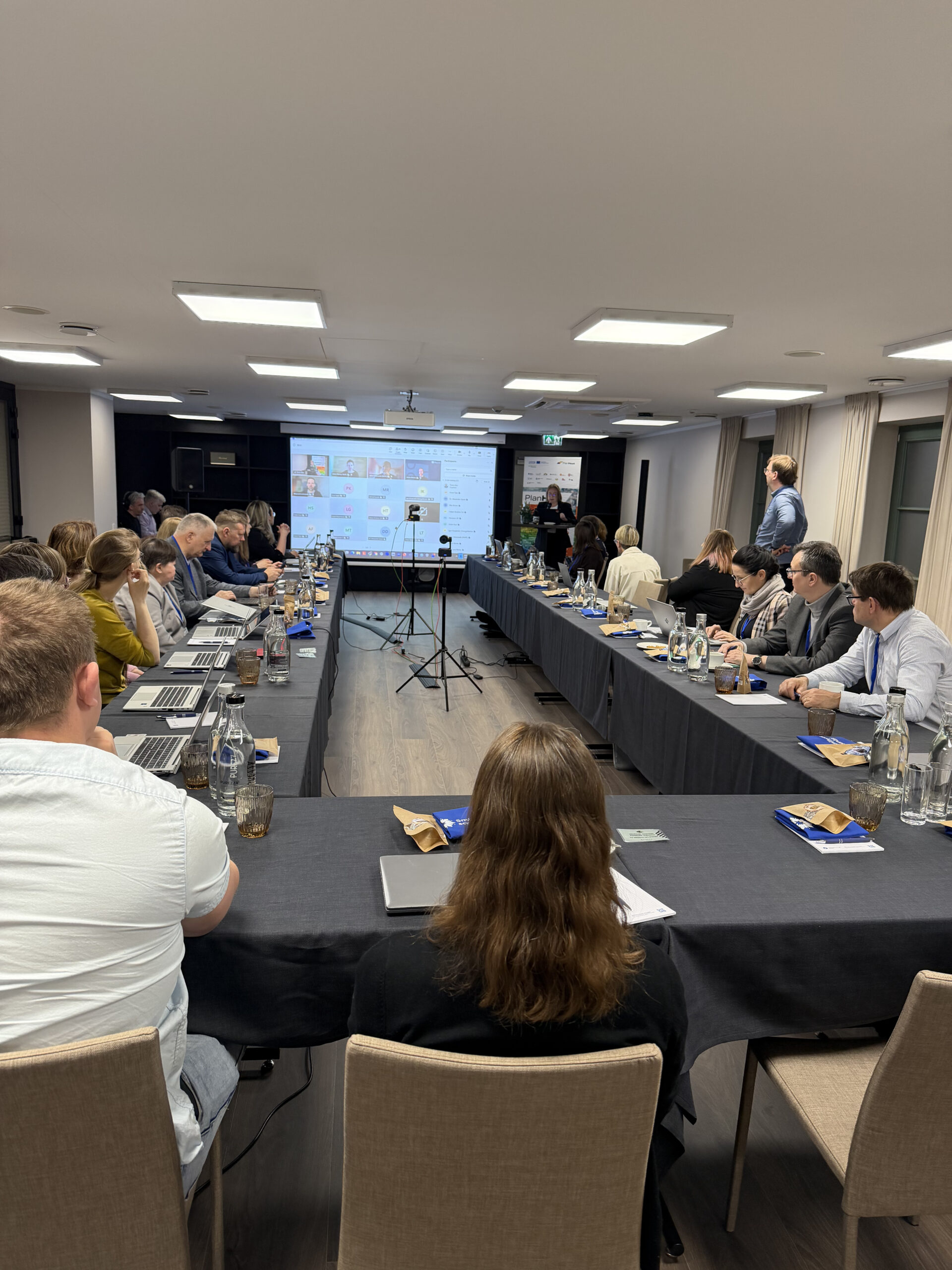
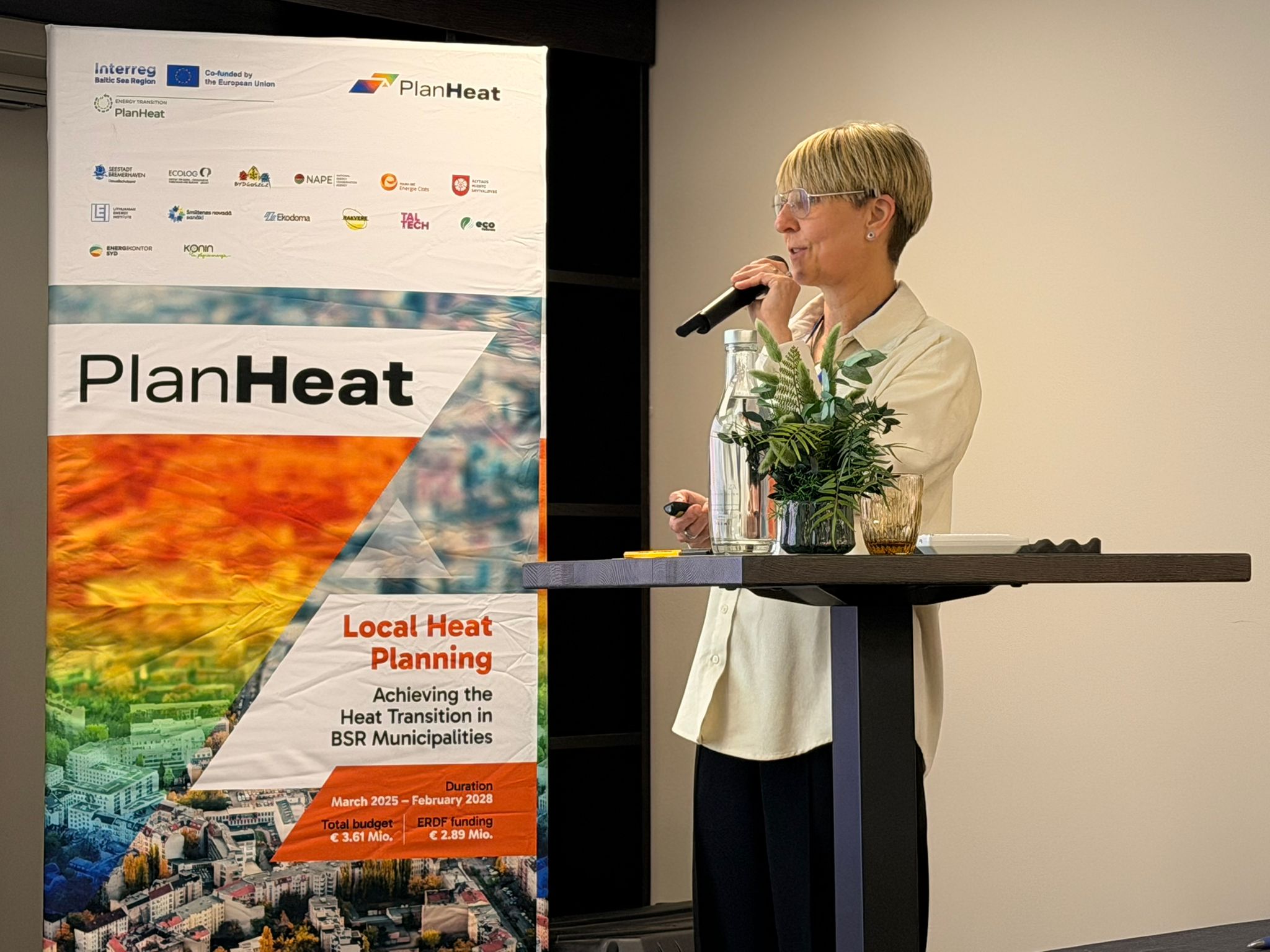
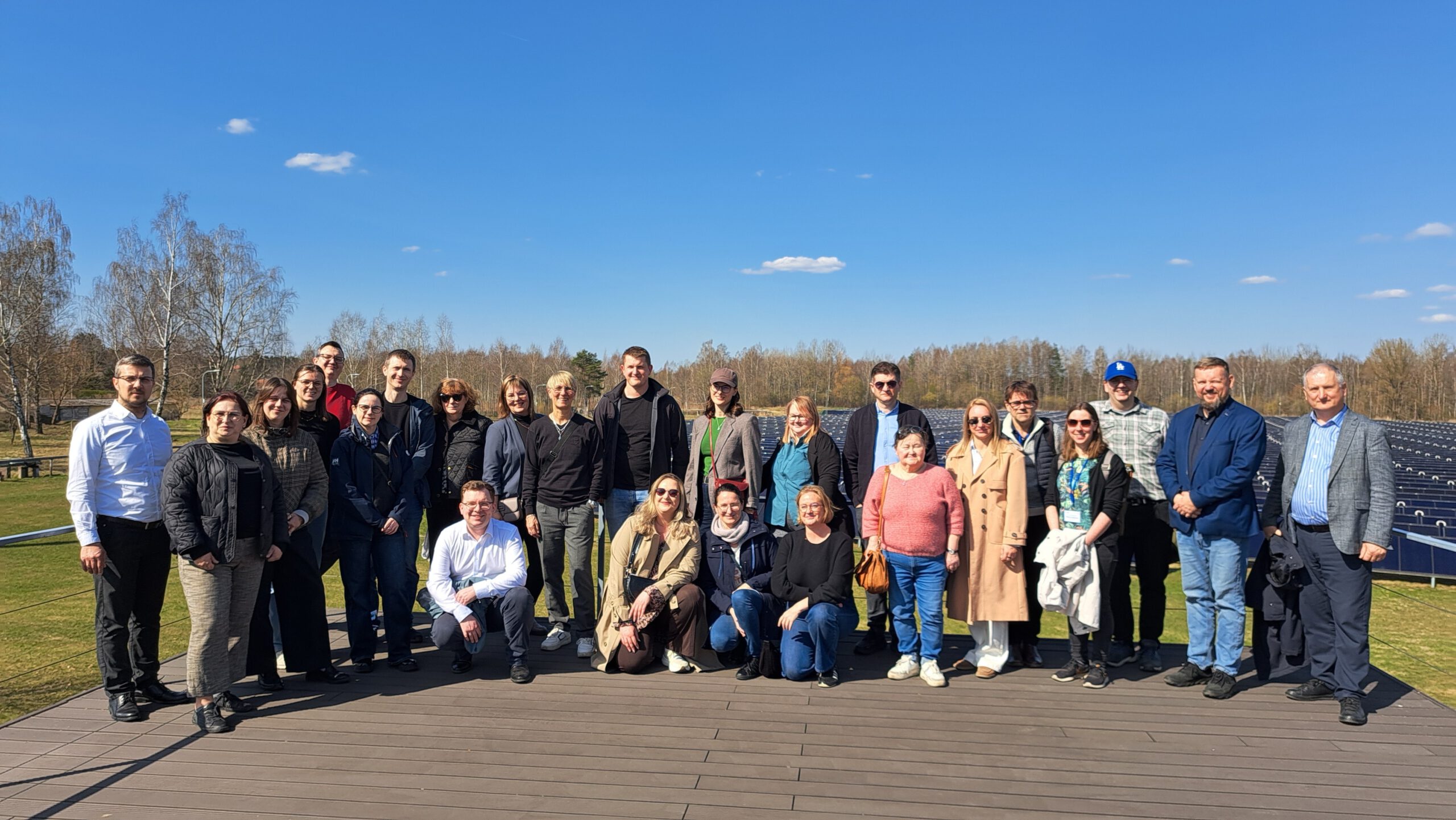
On 14th and 15th April, the third PlanHeat partner meeting brought project partners together in Riga to review project progress, discuss the current state of implementation, and align on the next steps towards achieving PlanHeat’s objectives. Alongside the internal project programme, PlanHeat also organised a dedicated Local Heat Planning (LHP) Expert Forum on data acquisition and processing. The partner meeting was hosted by the Latvian PlanHeat partners Ekodoma and Smiltene Municipality.
Data as a basis for strategic local heat planning
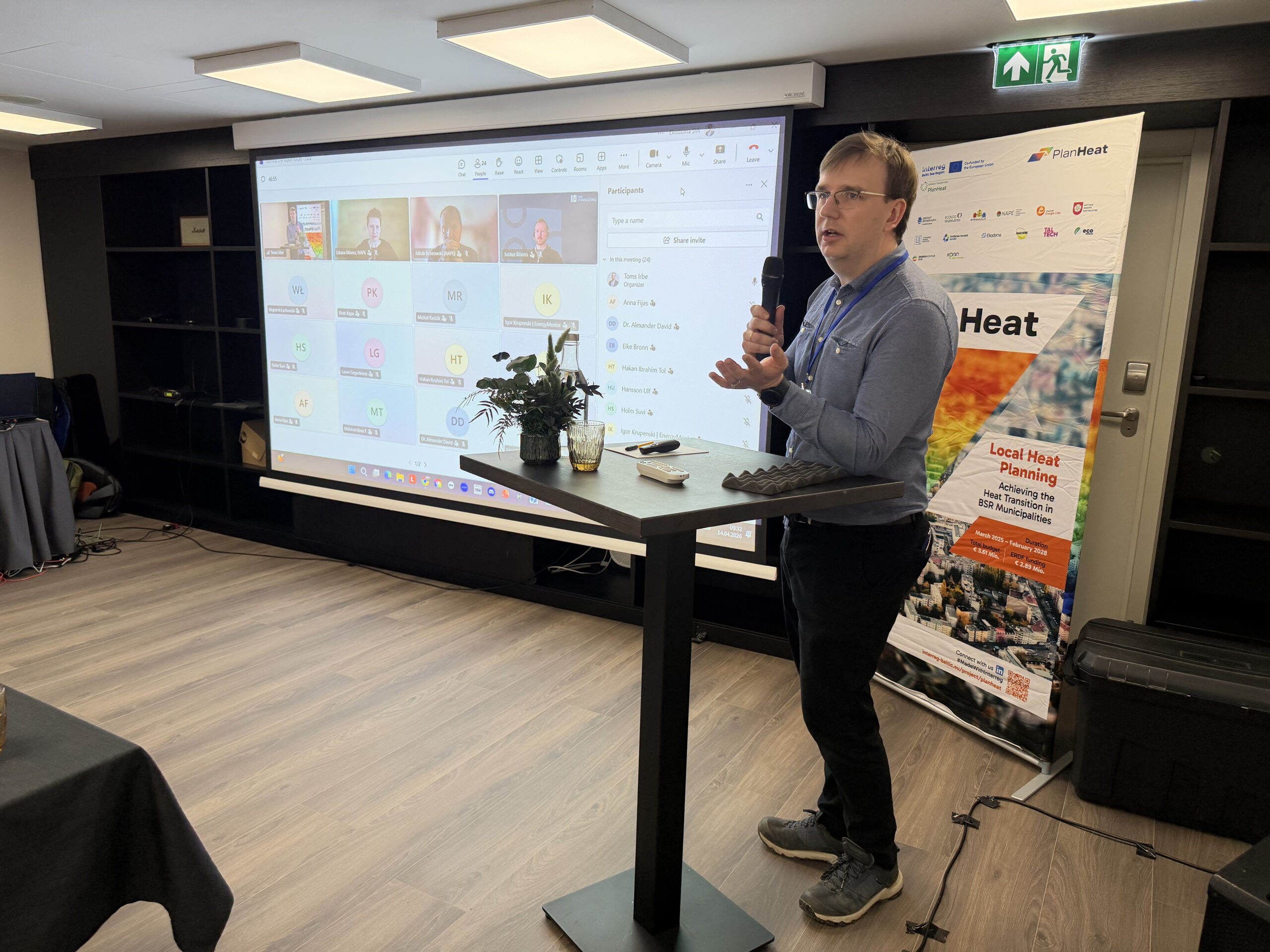
The LHP Expert Forum, which was the main highlight of the first event day, was titled “Data acquisition and processing – the basis for strategic LHP”. It was organised by the PlanHeat project partner Association of Municipalities Polish Network “Energie Cités” (PNEC) and moderated by another Polish PlanHeat partner, the National Energy Conservation Agency (NAPE).
As its title reveals, the expert forum focused on the role of data as a foundation for strategic local heat planning. Jakub Bobrowski from NAPE opened the session by presenting findings on a user-friendly data collection method for local heat planning. This was followed by a series of expert contributions:
- Dace Andersone from GEO RĪGA presented Riga’s integrated municipal GIS platform;
- Justus Börms from HIC Consulting shared key learnings from the implementation of the German Heat Planning Act, particularly regarding data access;
- Wojciech Łachowski from the Institute of Urban and Regional Development highlighted the importance of data governance;
- Alina Safronova from Riga Technical University presented results from the Interreg Baltic Sea Region project CommitClimate and its simulator for scenario modelling;
- Michał Radzik from MPEC Kraków provided insights into data management from the perspective of a district heating provider;
- Ivan Sukhanov introduced R8 Technologies’ AI model Jenny for demand-side management.
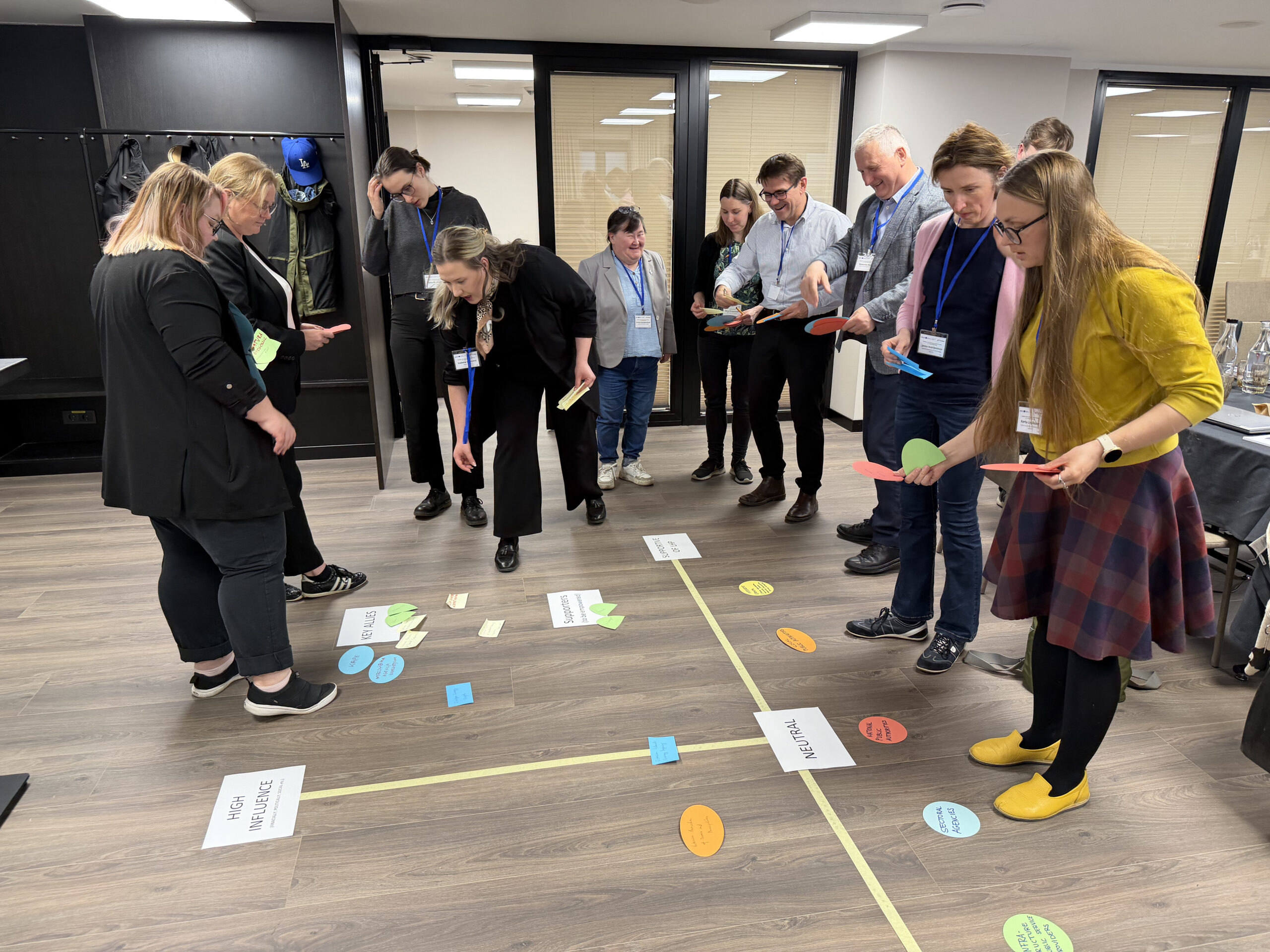
In addition to the expert forum, the first day of the PlanHeat partner meeting included a workshop on stakeholder mapping in the context of local heat planning, organised by Charlotte Winkler from PlanHeat Lead Partner City of Bremerhaven. The workshop addressed how relevant stakeholders can be identified early and systematically involved in local planning processes.
From EU requirements to national implementation
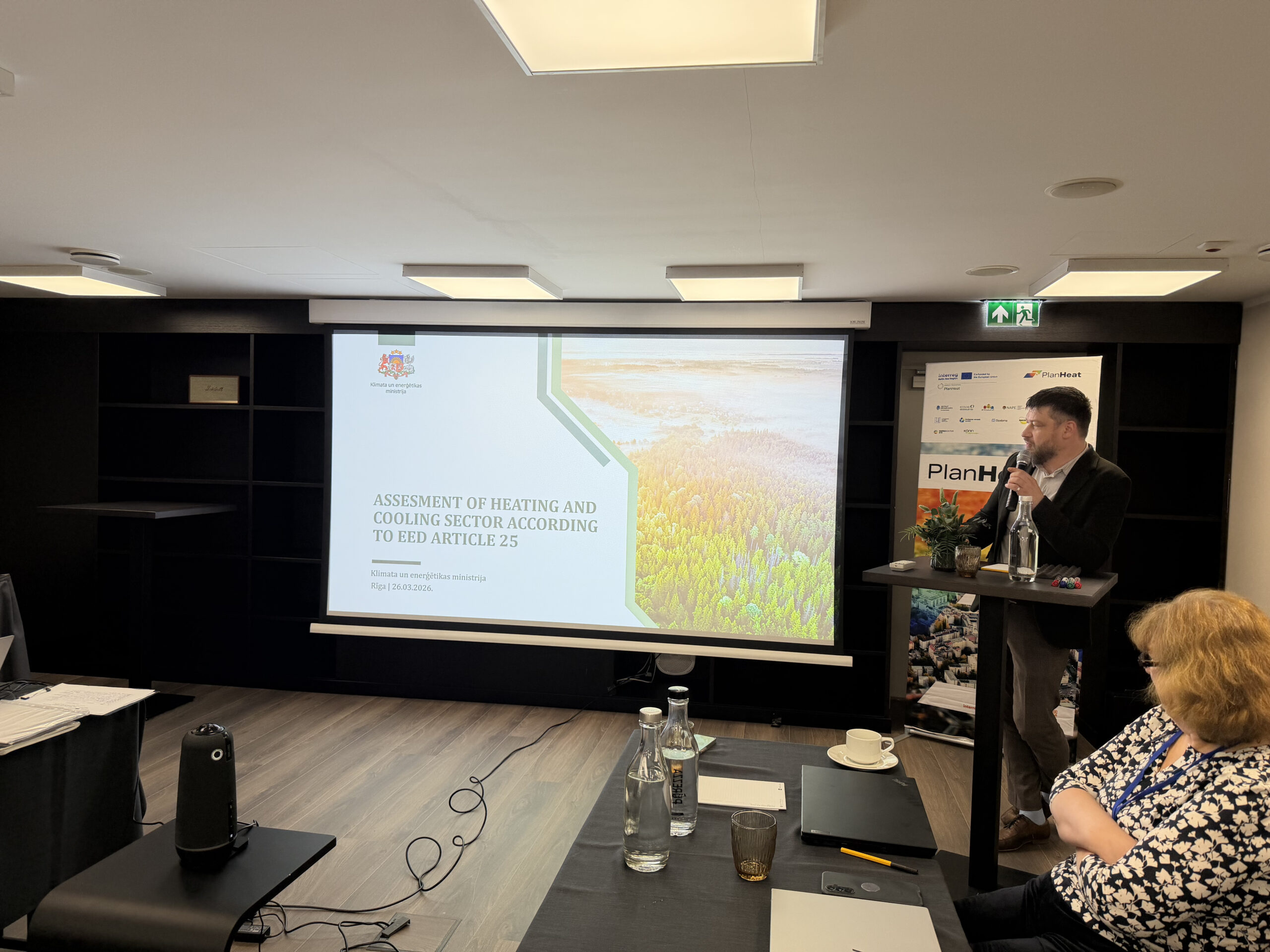
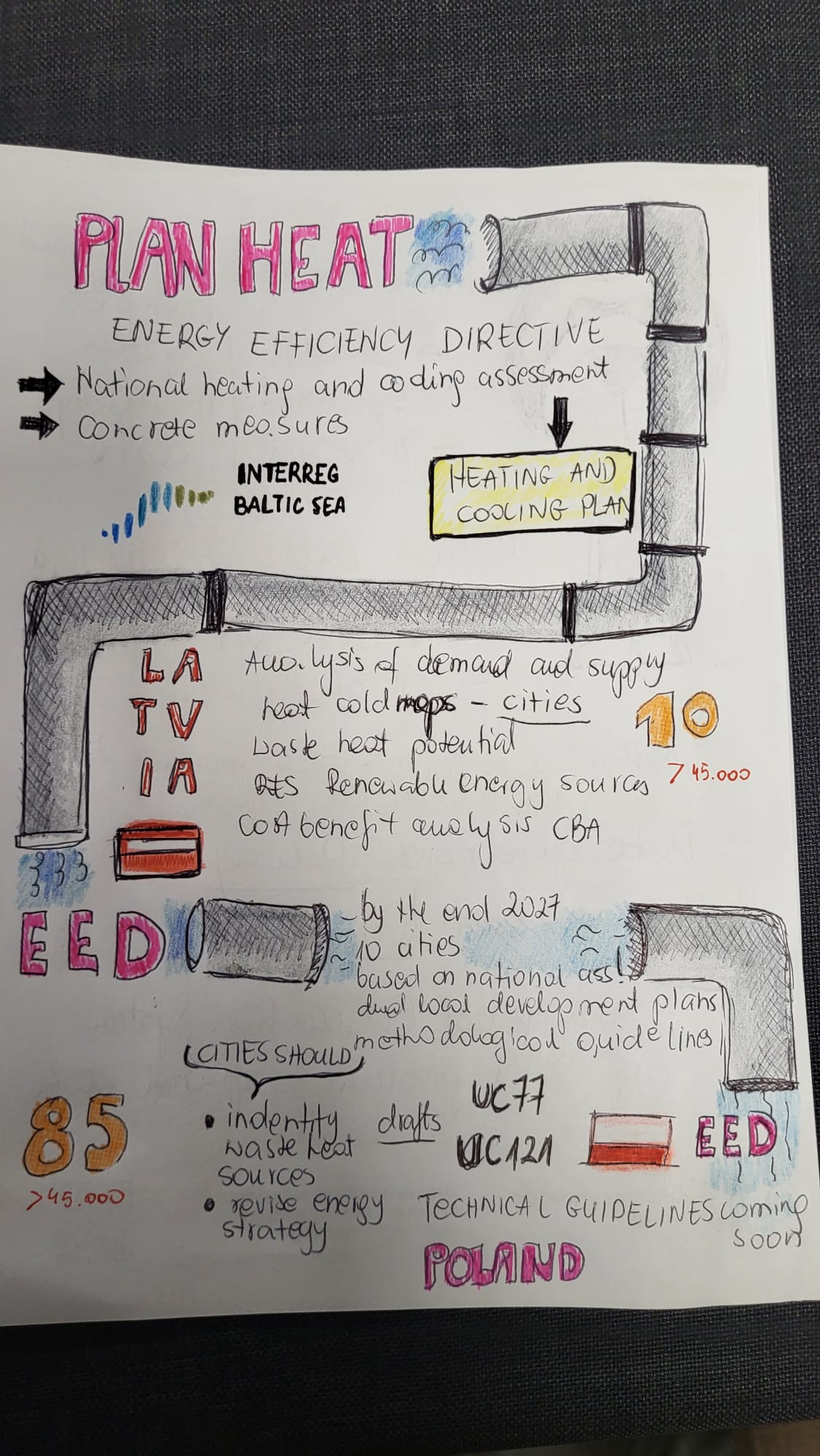
The second day of the partner meeting focused on the transposition of Article 25.6 of the Energy Efficiency Directive (EED) into national law. PlanHeat project manager Britta Schmigotzki from aconium GmbH introduced the main heat-planning requirements of the Directive. Gunars Valdmanis from the Latvian Ministry of Climate and Energy then presented Latvia’s approach to transposition, including the organisational support foreseen at national level. Project partners also reported on the current status of EED transposition in their respective countries. Ina Berzina-Veita complemented the session with an outlook on sustainable district heating supply in Latvia.
Practical insights into sustainable district heating
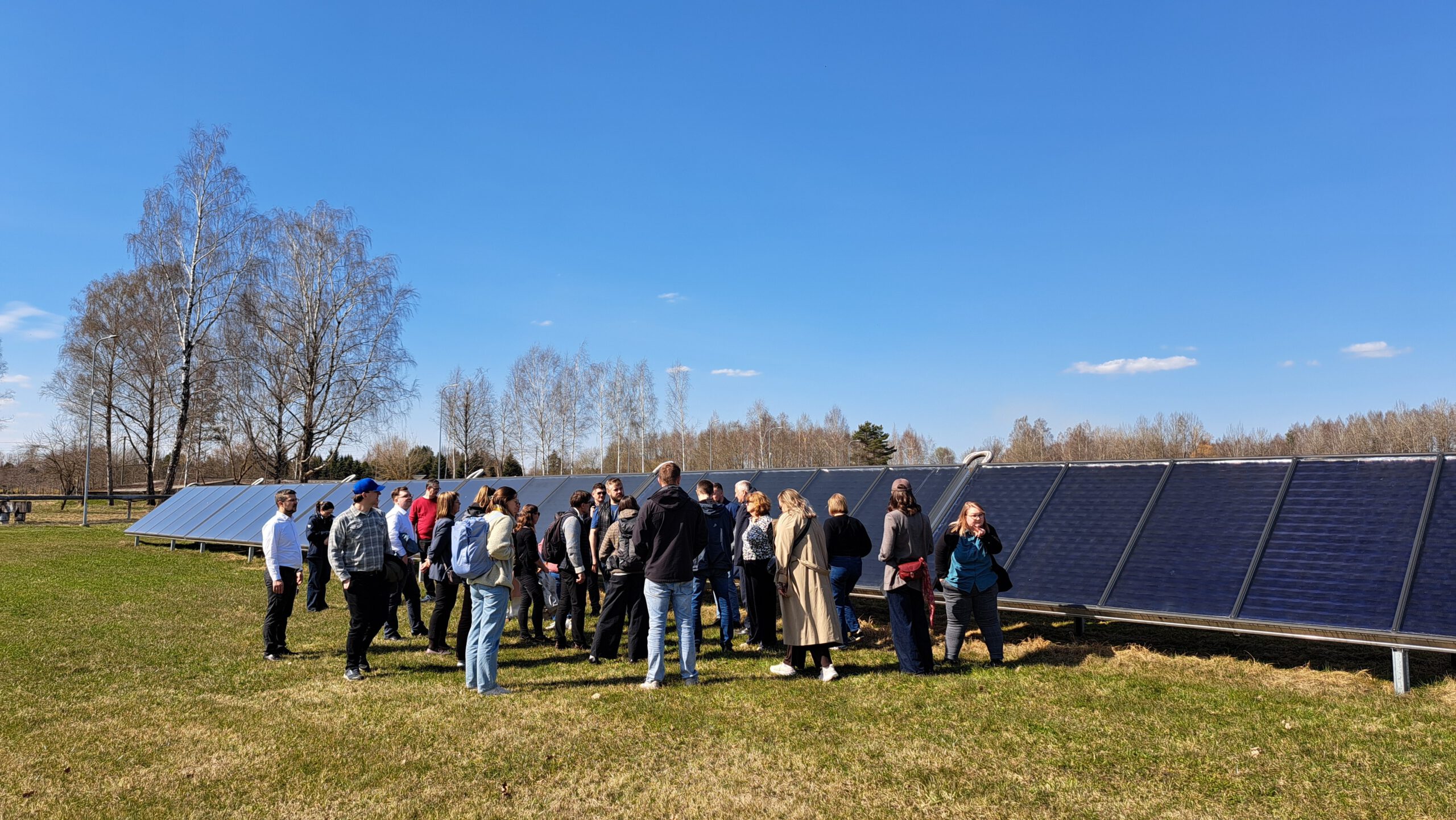
Further practical insights were provided by Smiltene Municipality, which presented current developments in its local heating sector. The programme was rounded off by a study visit to one of the largest solar thermal district heating systems in the Baltic Sea Region, operated by Salaspils Siltums. The facility includes 21,672 m² of solar flat plate collectors, an 8,000 m³ storage tank and a solar thermal capacity of 15 MWth.
The partner meeting in Riga underlined the importance of combining project cooperation with targeted expert exchange. By linking the partner meeting with a dedicated LHP Expert Forum, PlanHeat created space both for internal coordination and for broader technical discussion on data-driven, strategic heat planning in the Baltic Sea Region.

Additional links
details
-
Homepage
-
Project typeCore Project

-
ImplementationMarch 2025 - February 2028
-
StatusOngoing
-
Contribution to EUSBSRPolicy Area Energy

-
Target groups
- Infrastructure and public service provider
- Interest group
- Local public authority
- National public authority
- Sectoral agency
-
Social media
-
Additional links
-
Tags