




CiNURGi reporting from Brussels: From Strategy to Implementation in European Bioeconomy
08 May 2026
The ESNI-NERM conference, a joint effort by the European Sustainable Phosphorus Platform and the Biorefine Cluster Europe, offered an excellent venue for discussing the importance of nutrient recycling and its impact on European resilience and self-sufficiency in a time of crisis. In a conference key-note speech on the New Common Agricultural Policy (CAP) Maria Fuentes Merino from the European Commission DG AGRI presented on an upcoming Fertilizer Action Plan to combat the disruption in fertilizer markets since the start of war in Ukraine, highlighting the urgency for a shift in the fertilizer industry towards a circular approach. In CiNURGi, we’ve been working towards developing and assessing fertilizers made from recycled nutrients so both the time and the place felt very serendipitous to discuss our project results.
European Bioeconomy Strategy implementation
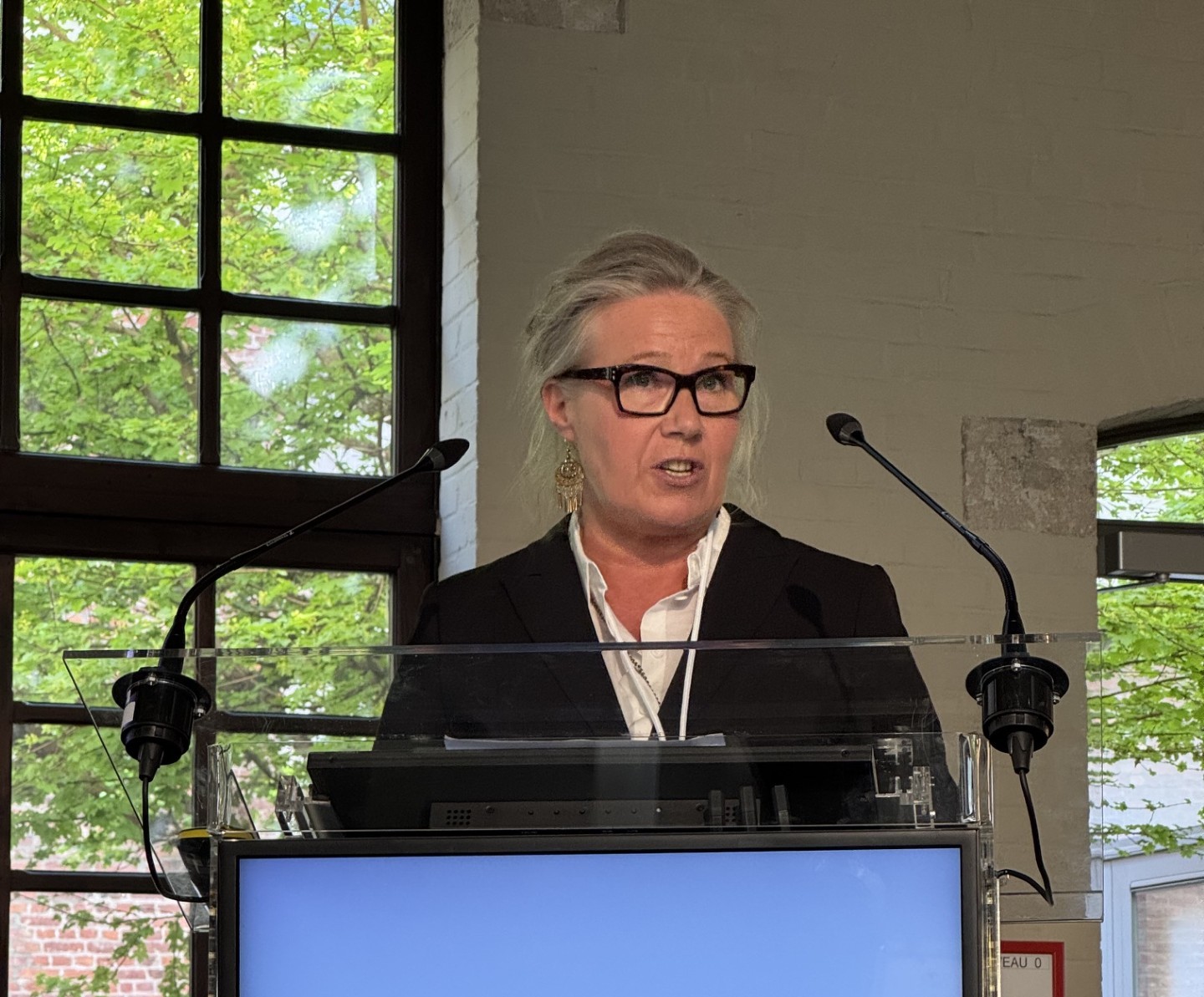
The push towards a circular approach to nutrients is also central to the European Bioeconomy Strategy, which was discussed during the CiNURGi session by European Commission DG RTD Minna Huttunen, during her keynote speech. A central message from the CiNURGi session was the clear shift in how nutrient management is framed within EU policy. No longer treated as a niche or secondary issue, nutrient recycling—particularly nitrogen and phosphorus—is now embedded in the EU’s broader bioeconomy strategy. Currently, the EU relies heavily on external sources, importing approximately 70% of its phosphorus and 30% of its nitrogen. Against a backdrop of geopolitical uncertainty, improving nutrient use efficiency and closing loops is not only an environmental priority but an economic and strategic necessity. The new bioeconomy strategy emphasizes several key pillars: developing markets for biobased products, ensuring biomass availability, fostering collaboration, and aligning circularity with economic growth. However, it was stressed that achieving these goals requires moving beyond fragmentation—toward harmonised methodologies, shared data, and integrated systems.
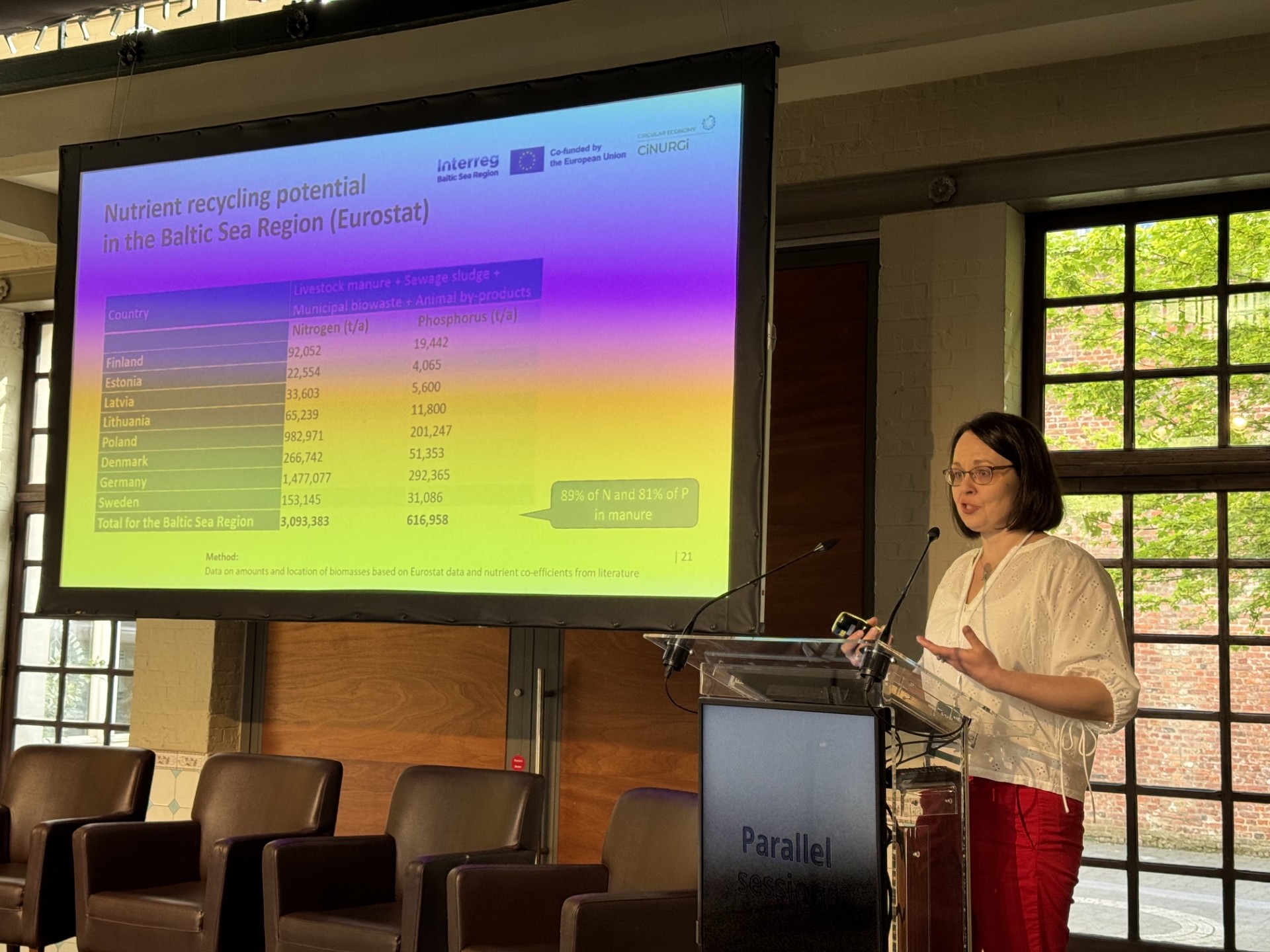
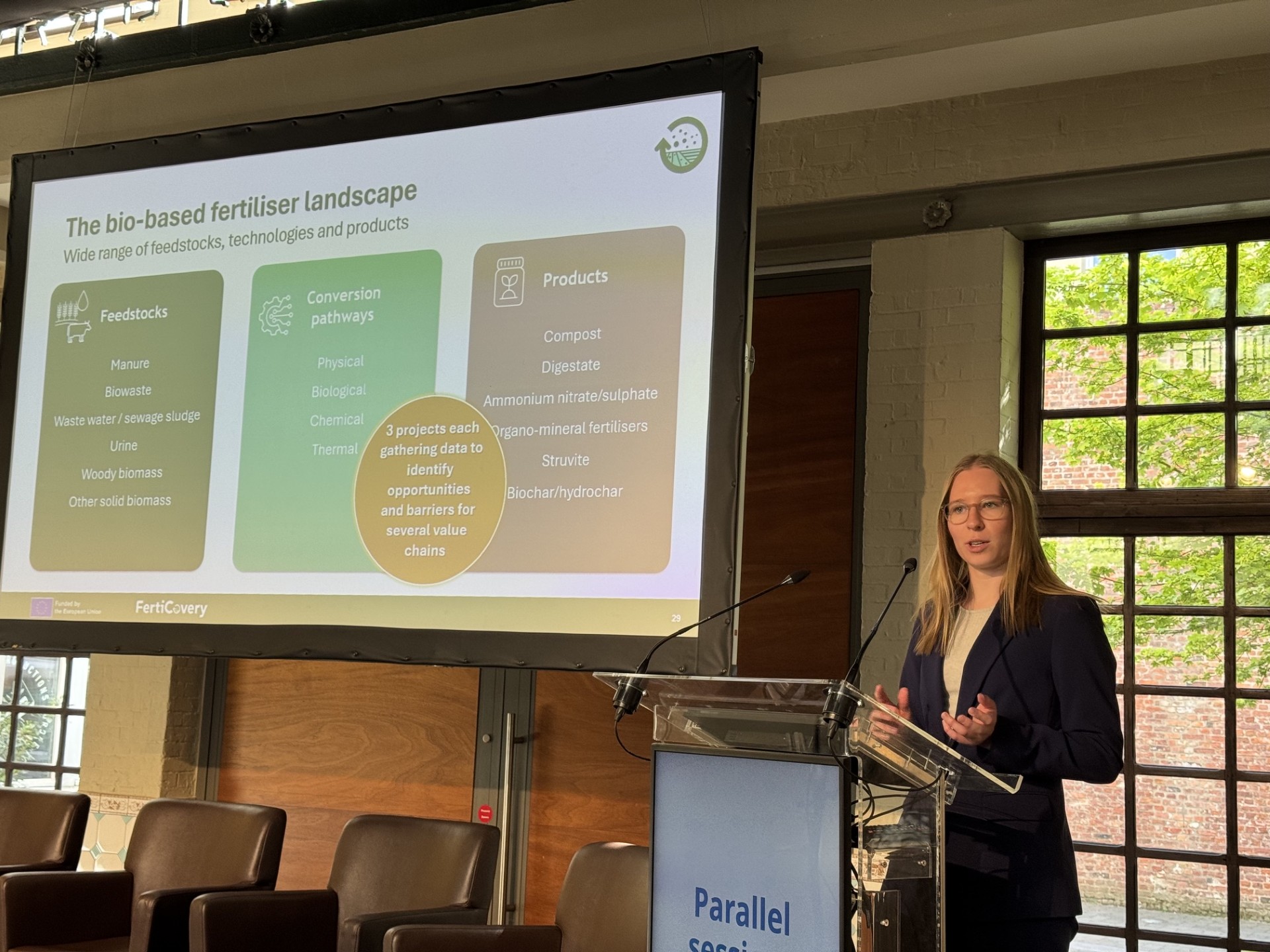
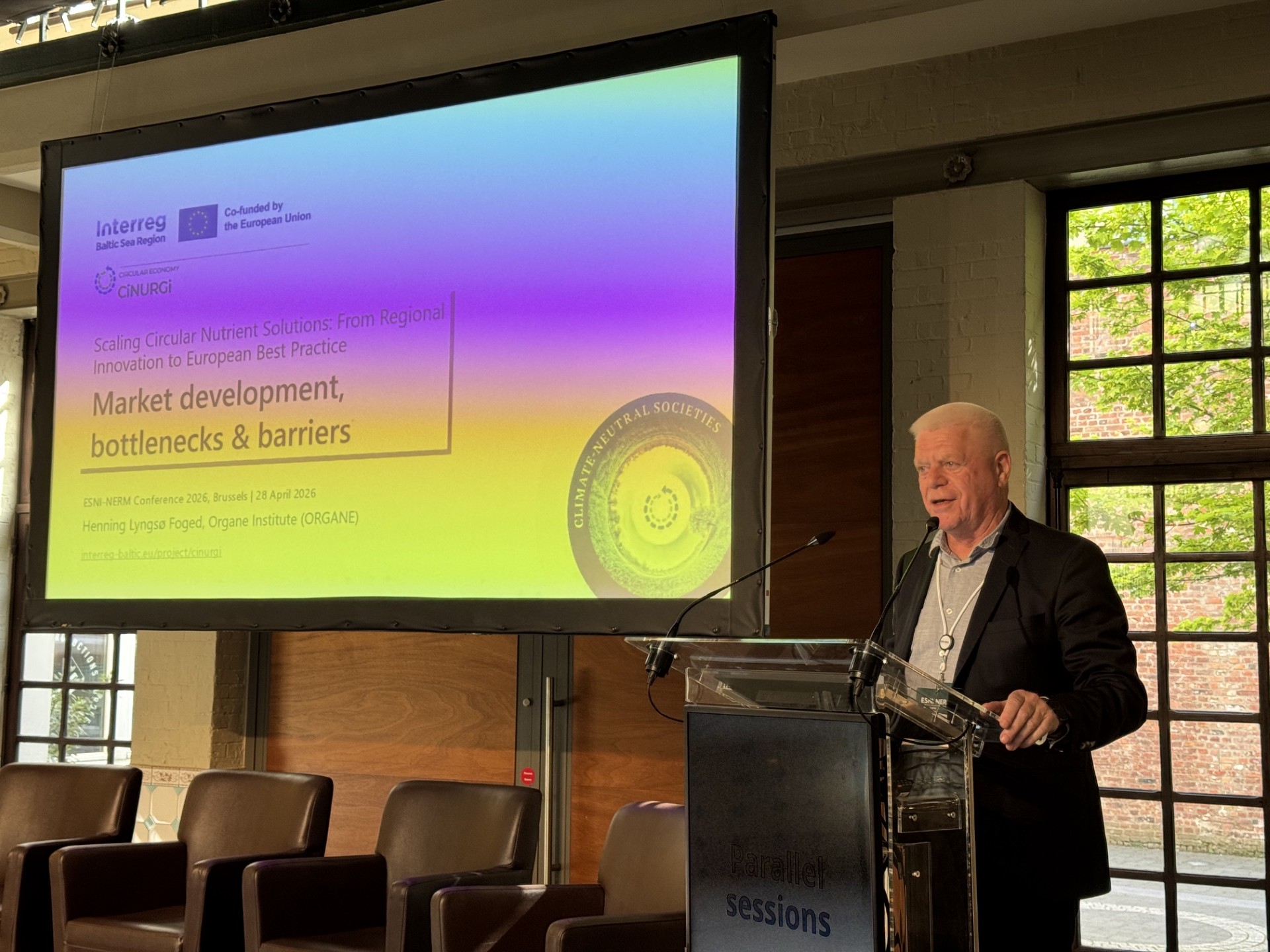
During the parallel session, we heard three scientific presentations from researchers involved in the CiNURGi, FERTITEC and FertiCovery projects, outlining key findings concerning data, technologies and markets. Sari Luostarinen (Luke) presented on where nutrient rich biomasses can be found for recycling purposes, while Sterre van der Voort (BTG) gave listeners an overview of state-of-the-art technologies in nutrient recycling. The last presentation by Henning Foged (Organe Institute) was on market barriers to nutrient recycling.
These scientific presentations stressed that while technical solutions for biobased fertilisers are already available, and established solutions such as anaerobic digestion, composting, and struvite recovery are already being deployed or are close to market readiness, their societal value varies significantly across value chains, requiring case-by-case evaluation Among these, struvite recovery was highlighted for its particularly strong scale-up potential, with estimates suggesting growth could increase up to 28-fold based on available feedstocks and market demand. At the same time, the diversity of feedstocks and conversion pathways means no single technology dominates the market; instead, different solutions are suited to different regional and industrial contexts.
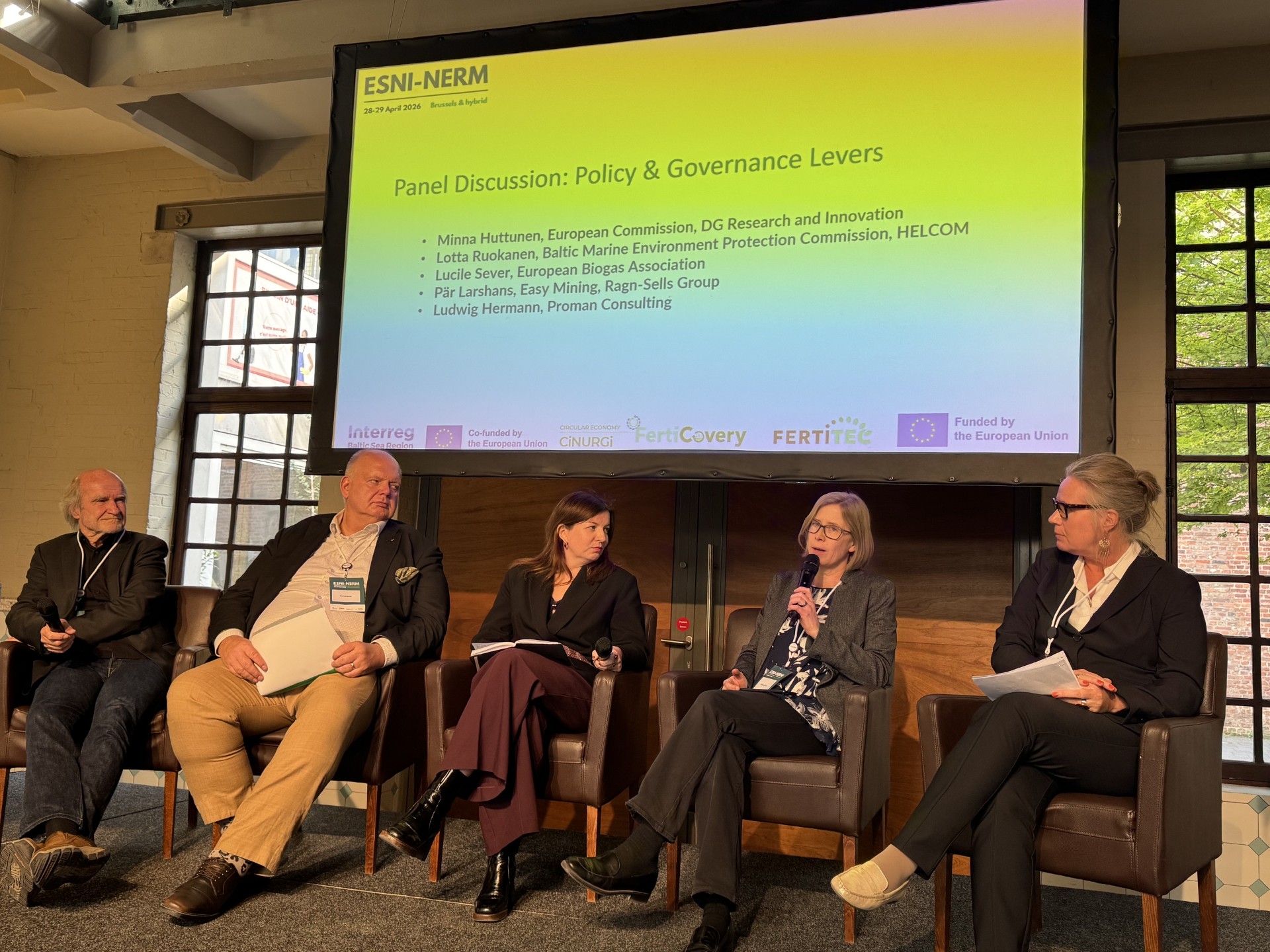
The panel discussion following the scientific presentations brought together perspectives from research, policy, and industry, with speakers such as Lotta Ruokanen from HELCOM, Lucile Sever from the European Biogas Association, Pär Larshan from EasyMining (Ragnsell Group), and Ludwig Herman of Proman Consultation (also known as the Secretary of the European Sustainable Phosphorus Platform). The engaging panel discussion was a particular highlight, where speakers explored the policy and governance levers needed to scale circular nutrient solutions. The interactive exchange made it clear that there is strong momentum—and a real appetite—for scaling nutrient recycling across sectors.
In response to Dr. Luostarinen’s presentation the panel discussion speakers emphasized that better data is not just a technical issue but a governance enabler. Transparent, credible data systems are essential for building trust among stakeholders, guiding investments, and supporting fair comparisons between conventional and circular solutions. A recurring theme was the need for harmonised monitoring systems and shared data across countries and sectors. Without consistent methodologies, it remains difficult to compare solutions, assess impacts, or design effective policies.
Current EU frameworks —such as the Fertilising Products Regulation, Animal By-Products Regulation, and water policies— contain inconsistencies between regulations and end up creating uncertainty and hindering innovation. Additionally, many rules are based on the origin of materials rather than their quality, limiting the use of recycled nutrients from sources like wastewater. The absence of EU-wide recycling mandates further slows progress, despite successful national examples demonstrating their effectiveness.
Valleys of Death for biobased fertilizers
The European Commission have identified two valleys of death for the nutrient recycling industry that inhibit the expansion of the market. In her conference keynote speech on the Bioeconomy strategy during the conference, Agatha Kotkowska from DG ENVI, laid out the challenges first for scaling up and secondly in commercialisation of nutrient recycling solutions. In CiNURGi we have looked even deeper beyond this analysis, wanting to move beyond individual technologies to focus on full value chains. Looking only at market prices for biobased fertilizers is a depressing exercise as they are almost always more expensive than mineral fertilizers, which dominate the market. At the same time, the environmental and resilience benefits of nutrient recycling are not reflected in current pricing systems. This creates a structural disadvantage for circular solutions and leaves open the question of who should bear the additional costs—farmers, industry, or public institutions.
Also, comparative analyses show that not all biobased fertiliser systems deliver equal societal benefits or even sustainability. When looking at the cost of recycling nutrients the full value chain should be assessed, to keep nutrient recycling sustainable and qualitative. This reinforces a critical insight: nutrient recycling is not inherently sustainable in every configuration. Its benefits depend heavily on how, where, and at what scale it is implemented.
Keeping these challenges in mind, the topic of cost should consider the societal value of nutrient recycling as an environmental service. The societal value of environmental services that retain and recycle nutrients should be recognized and could in theory be channeled back to farmers, but the policies for this are not easily implemented.
This discussion made clear that the primary barriers are no longer technological but institutional—rooted in regulatory misalignment, weak market demand, and insufficient incentives—calling for coherent policies and economic frameworks to enable large-scale implementation. Despite these challenges, there was broad agreement on the direction forward. Participants in the panel discussion emphasized the need to shift from strategy and pilot projects to real-world deployment.
Winners of the CiNURGi nutrient recycling award announced
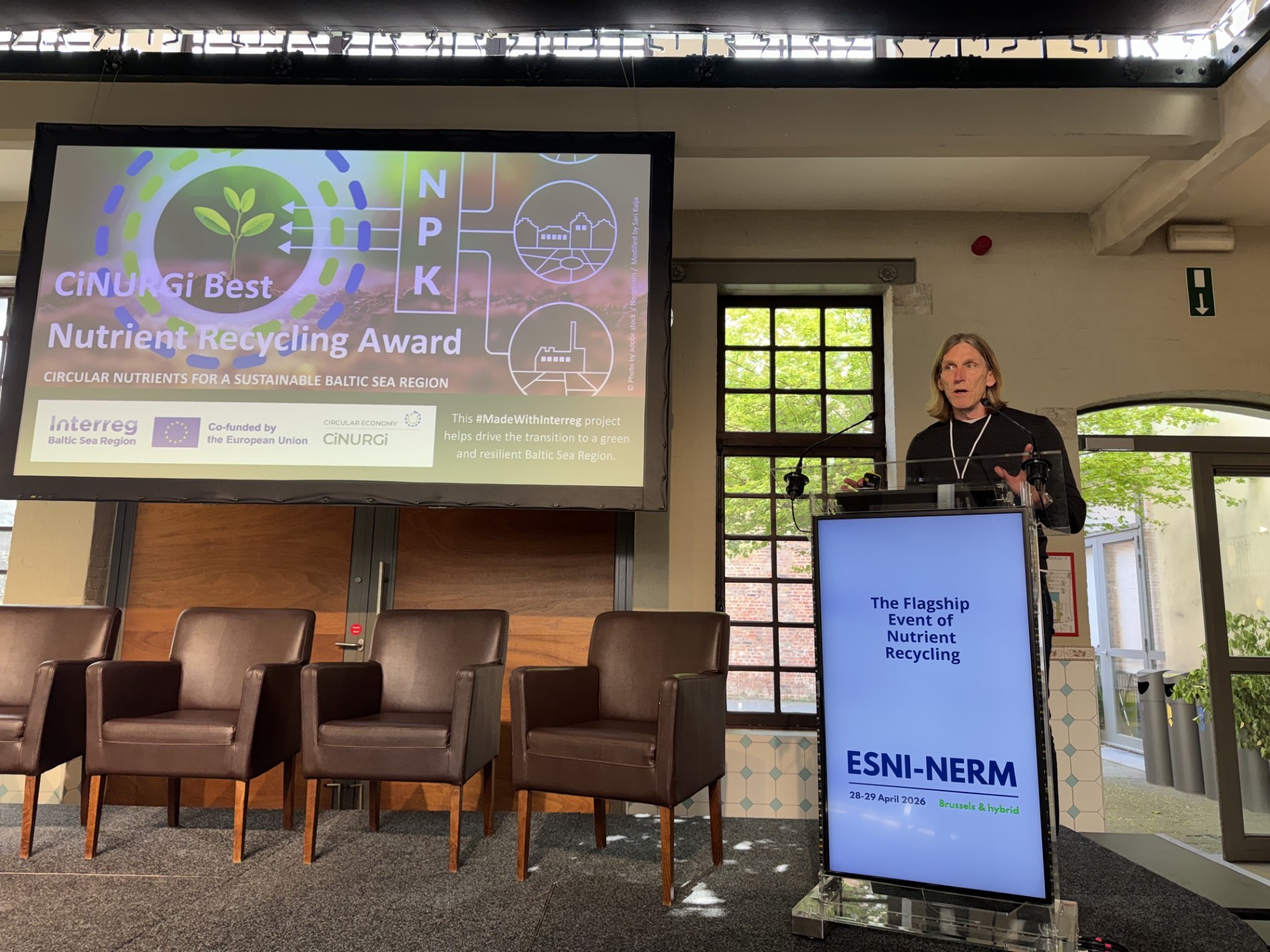
In a concrete effort to support the scale-up of nutrient recycling solutions CiNURGi identified as part of its activities six value-chains that were awarded a nutrient recycling prize for their innovation. The winners of the Award were identified as part of an open call, which received 24 initiatives.
The CiNURGi project chose to promote several outstanding nutrient recycling solutions across municipal, industrial, and agricultural sectors, highlighting the many different ways in which bio-rich nutrient flows can be transformed into fertilizer.
The Award went to six outstanding initiatives:
Farming sector winners:
- Planteo (Poland) produces organic fertiliser pellets made from 100% plant-based agricultural and food waste-based digestate. The product can be used both in agriculture and private gardens and is allowed in organic farming.
- BioPir (Finland) produce separation liquids and solids from pig manure based digestate, using natural settling followed by mechanical separation. The end product is allowed for use in organic farming.
Municipal sector winners:
- SF-Soepenberg GmbH (Germany) turn activated wastewater sludge into a struvite granulated fertiliser through chemical processing. The end product has a high concentration of both nitrogen, phosphorus and magnesium.
- Sanitation 360 (Sweden) has developed a technology for collecting human urine and processing this into a nitrogen rich fertiliser granulate. The solution comprises a urine-diverting toilet or urinal, a collection tank pre-dosed with a mix of chemicals for avoiding N volatilisation before collection and processing, either on-site or at a drying facility.
Industrial sector winners:
- Gyllebo Gödning (Sweden) offers fertiliser pellets in a product line called “Biofer”. The main raw material for the fertiliser is meat and bone meal from processing animal tissue. The nutrient content is adjusted accoriding to intended use with minerals that are allowed in organic farming.
- Bio10 (Finland) is via mechanical separation of digestate producing separation liquids and solids for allowing the export of excess phosphorus out of the region. The digestate is mainly based on organic household wastes, including food wastes and food industry wastes. The end product is allowed in organic farming.
Congratulations to all the winners!

Additional links
details
-
Homepage
-
Project typeCore Project

-
ImplementationNovember 2023 - October 2026
-
StatusOngoing
-
Contribution to EUSBSRPolicy Area Nutri

-
Target groups
- Interest group
- National public authority
- Small and medium enterprise
-
Social media
-
Additional links
-
Tags