




DIVERSE_GENE_WATCH DNA Tree Sampling Has Begun
06 May 2026
DIVERSE_GENE_WATCH project has moved from methodology development to field testing, with DNA tree sampling activities now underway.
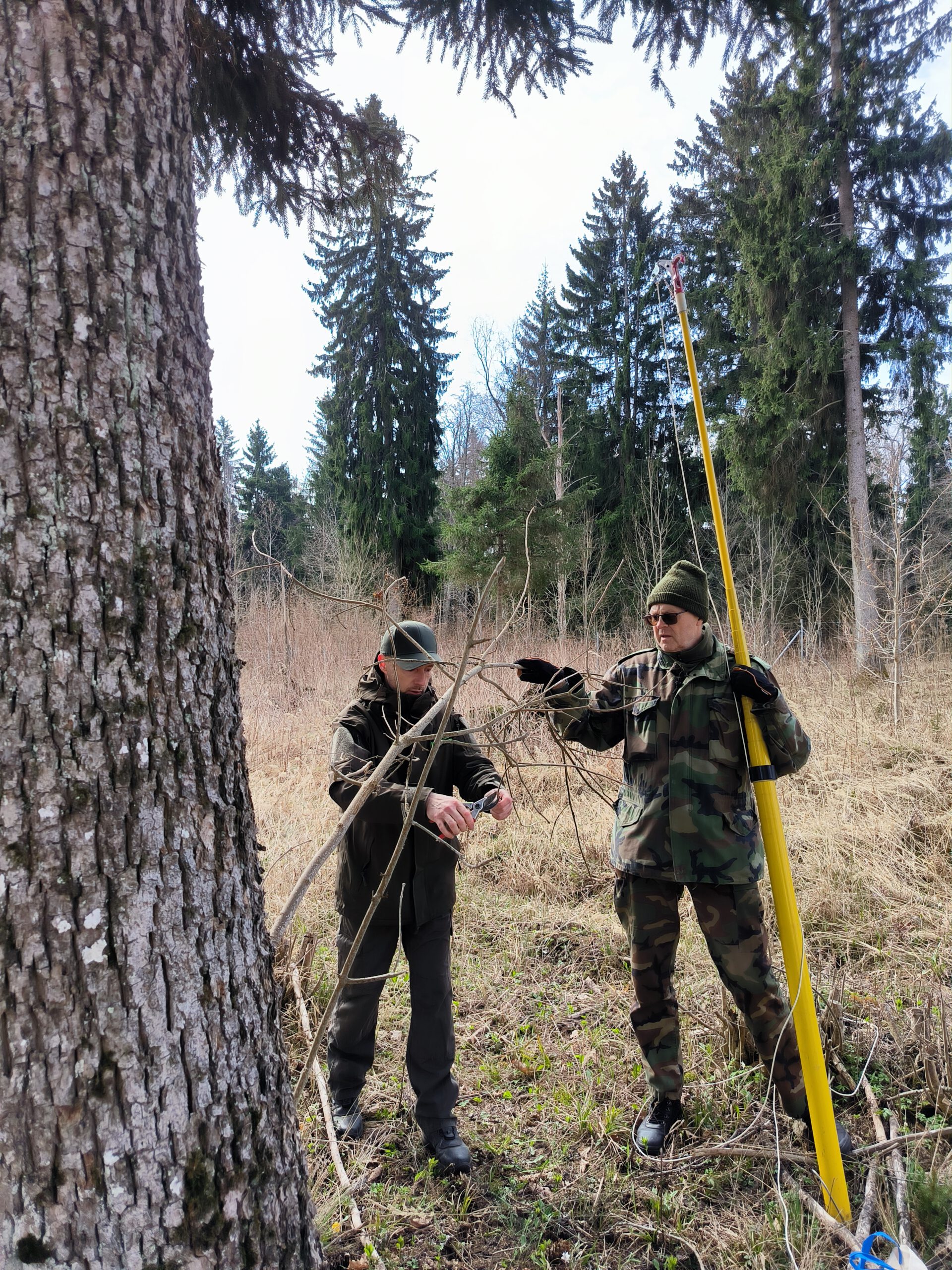
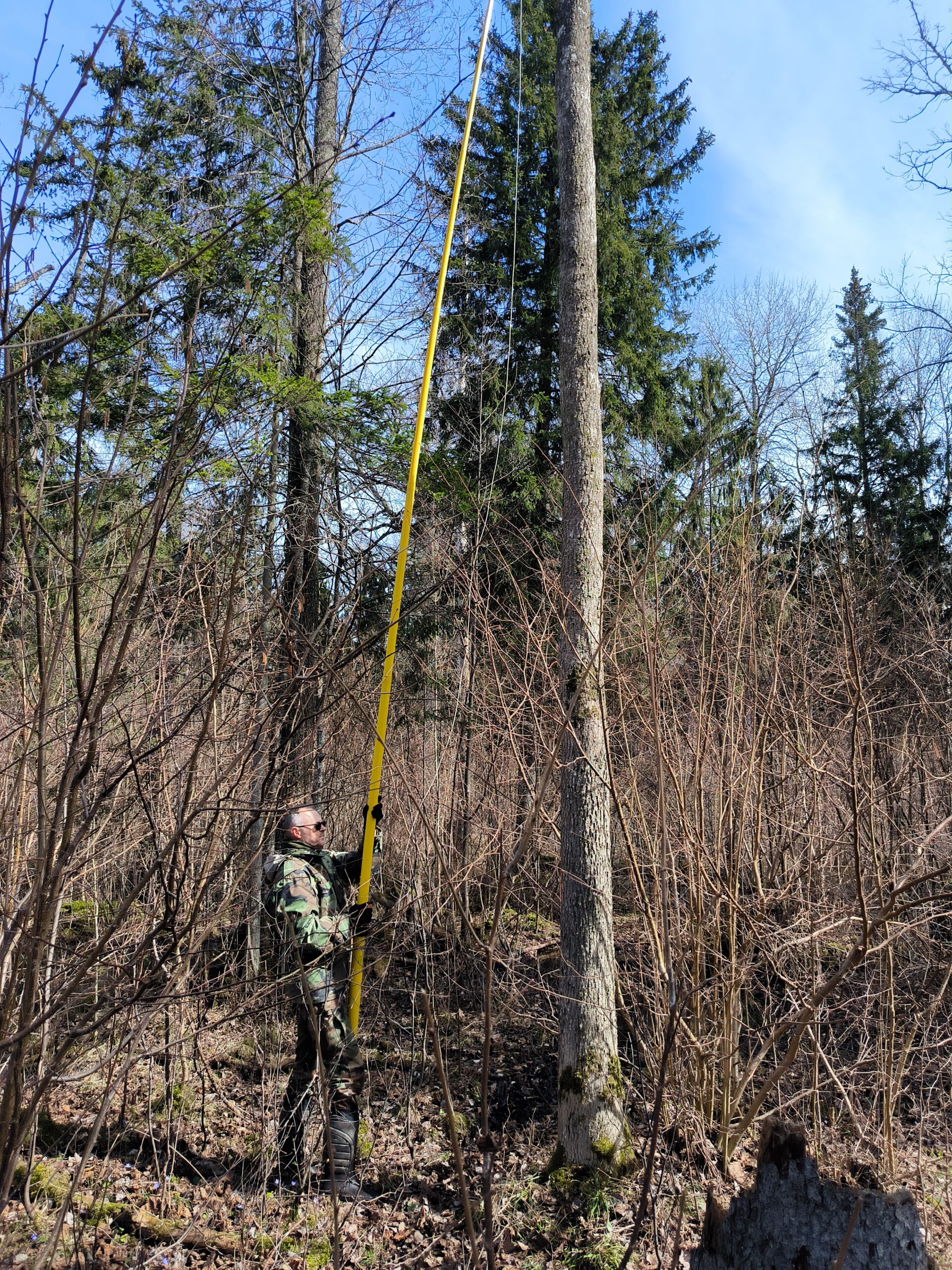
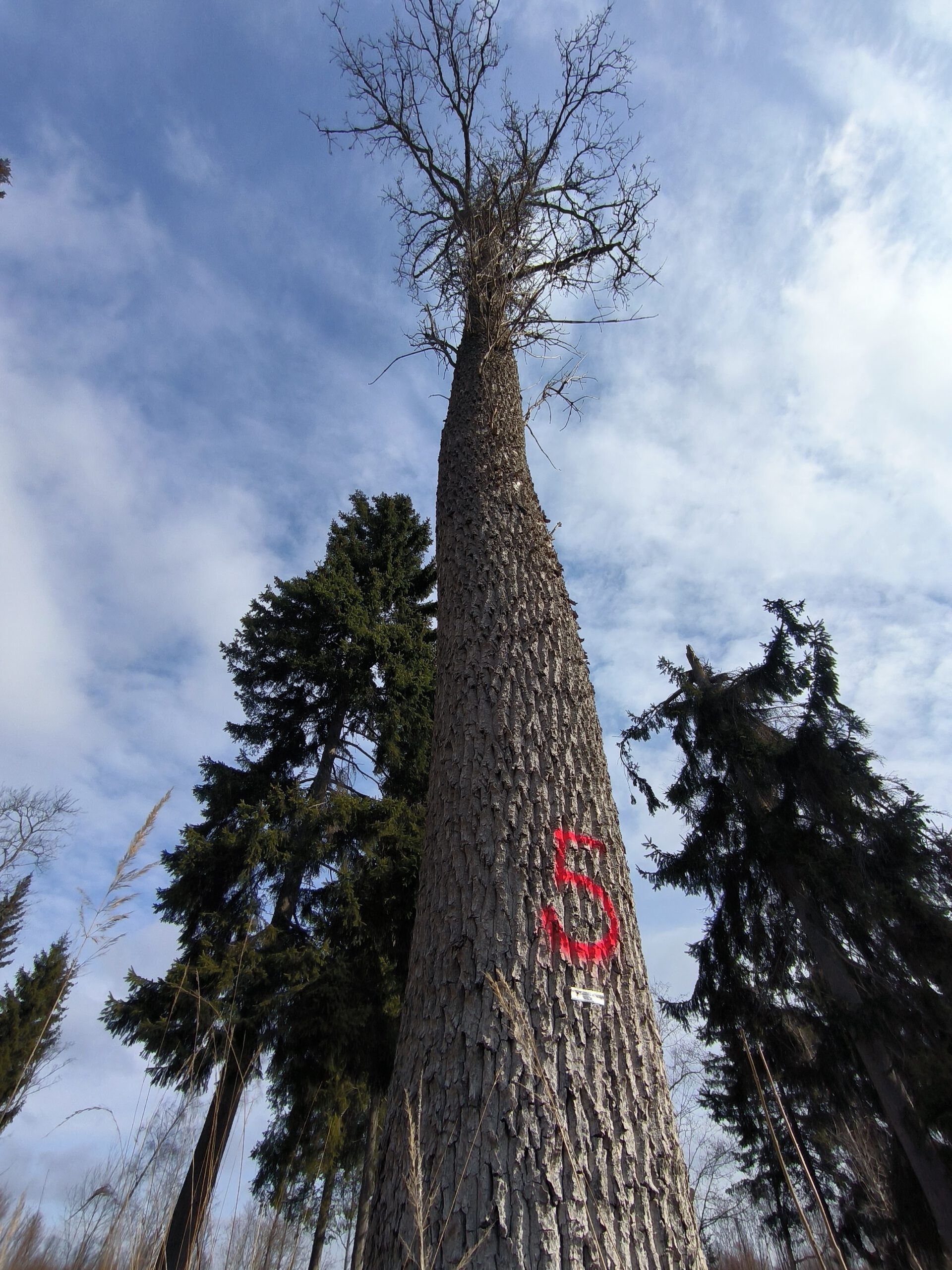
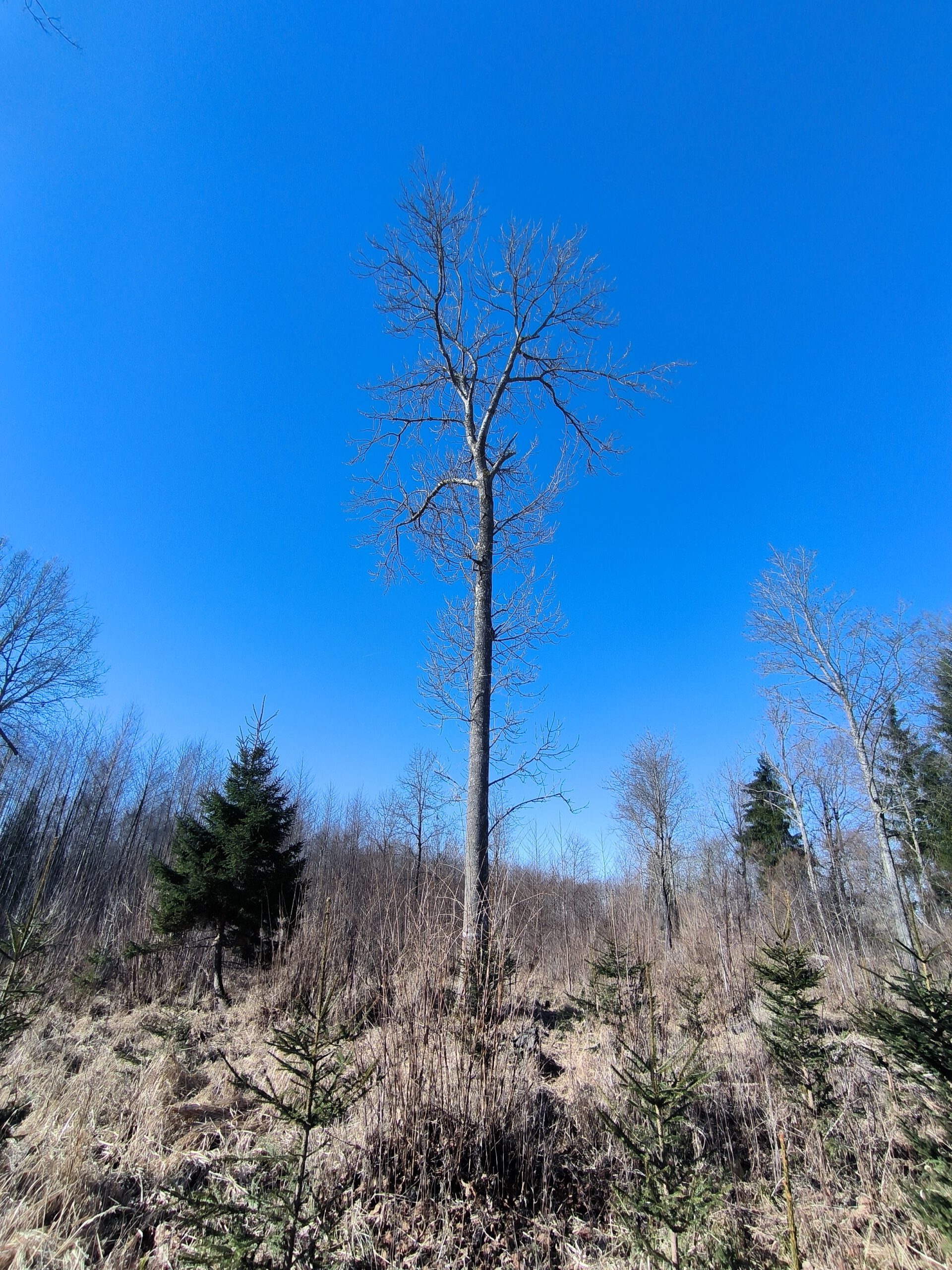
In April, sampling officially started in Lithuania, where the first two Forest Genetic Monitoring sites for our project for Fraxinus excelsior were established and tree samples for DNA analysis were collected. The sampling was carried out by Lithuanian project partners Vytautas Magnus University and the Lithuanian State Forest Service. Both selected sites are state-owned Gene Conservation Units (GCUs). One site is located near Radviliškis in central Lithuania, while the second plot is located close to Kuršėnai in western Lithuania.
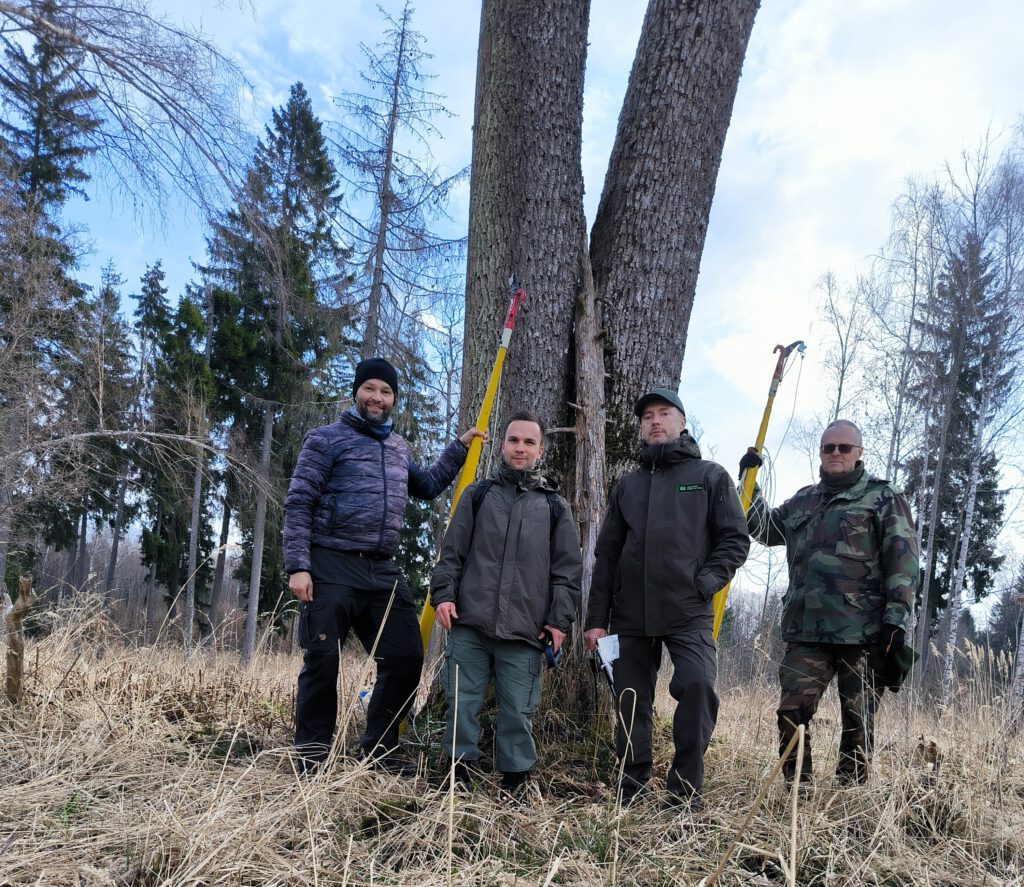
Members of Lithunian DGW teams in Gene Conservation Unit site collecting DNA tree sampling. April 2026. © Darius Kavaliauskas
Sampling is also progressing in Denmark, where project partners have been collecting DNA samples for ash, oak, spruce and lime in selected GCUs. Sampling sites both in Denmark and Lithuania are chosen from Gene Conservation Units documented through EUFGIS, the European Forest Genetic Resources Information System, a central tool in the work of the European Forest Genetic Resources Programme (EUFORGEN).
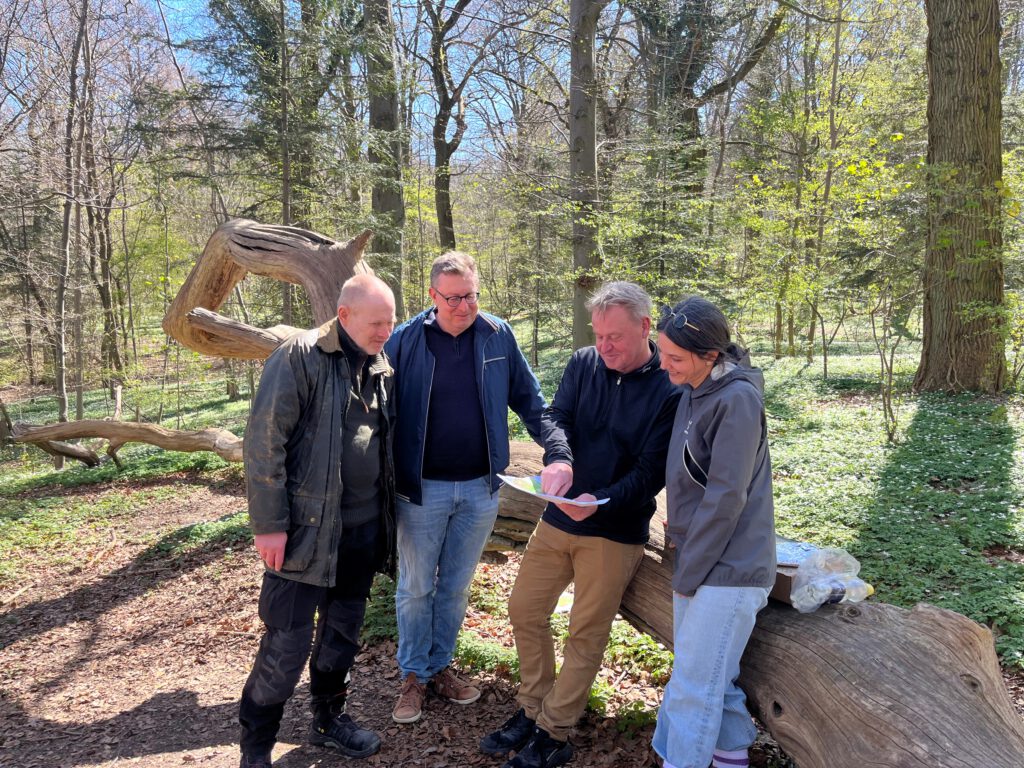
Members of the Danish and Swedish DGW teams discussed selection of trees for genetic monitoring in Gene Conservation Unit site in Boserup Skov. April 2026. © Erik Dahl Kjær
The sampling marks progress in the project’s piloting phase, following the development of two new DIVERSE_GENE_WATCH reports: “Genetic monitoring guidelines to be tested” and “Scenarios and forest management plans on how to enrich genetic diversity.” These reports provide the guidelines for testing forest genetic monitoring in Baltic region and exploring how genetic diversity can be supported when warning signs are detected.
The sampling in Lithuania and Denmark are part of the project’s next step to apply the developed guidelines in the field. The collected tree samples will be used for DNA analysis and will be used for forest genetic monitoring in Baltic Forest. Other project partners are now preparing and continuing their sampling for collective results across Baltic Sea Region.

Additional links
details
-
Homepage
-
Project typeCore Project

-
ImplementationMarch 2025 - February 2028
-
StatusOngoing
-
Contribution to EUSBSRPolicy Area Bioeconomy

-
Target groups
- Higher education and research institution
- Infrastructure and public service provider
- Interest group
- National public authority
- Sectoral agency
-
Social media
-
Additional links
-
Tags