




Making the Invisible Visible: Bytom’s “Green Lungs” Put Urban Carbon Assets on the Map
04 May 2026
During Module 3 of the Climate Budget Training Course, Robert Bialas from the city of Bytom introduced “Green Lungs of Bytom 2030”—a case study that brings urban carbon assets into focus. The presentation revolved around four guiding questions: What is the real carbon value stored in the city’s ecosystems? Which category of greenery absorbs the most CO₂? How can this value shape planning investments and protection decisions? And how can cities reconcile the pressure for urban growth with the protection of biodiversity and environmental qualities?
The starting point is both simple and striking: many post-industrial cities are richer in carbon than they realise. Bytom, a post-industrial city with significant green potential, is a clear example of this. However, these carbon assets are rarely considered in planning, budgeting, and land-use decisions, resulting in a crucial layer of urban value being overlooked.
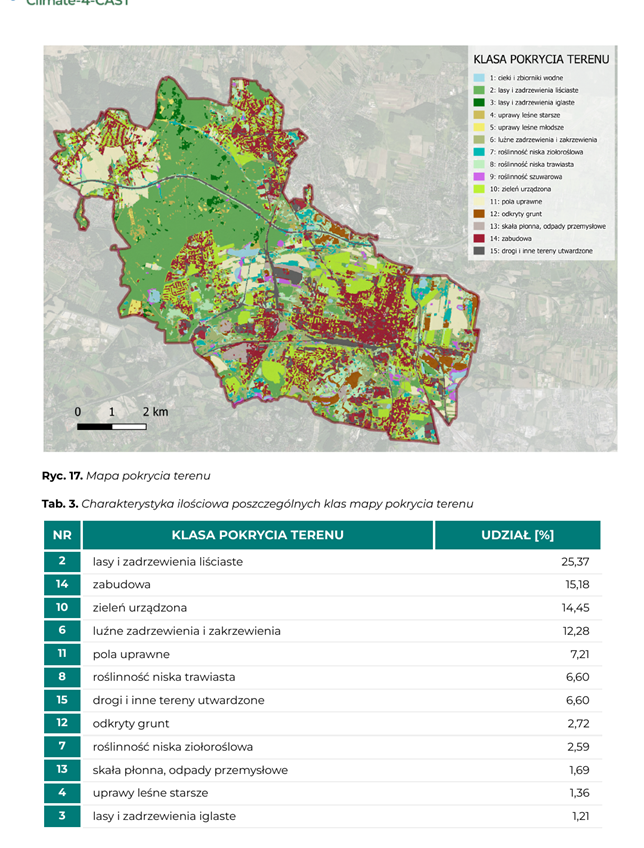
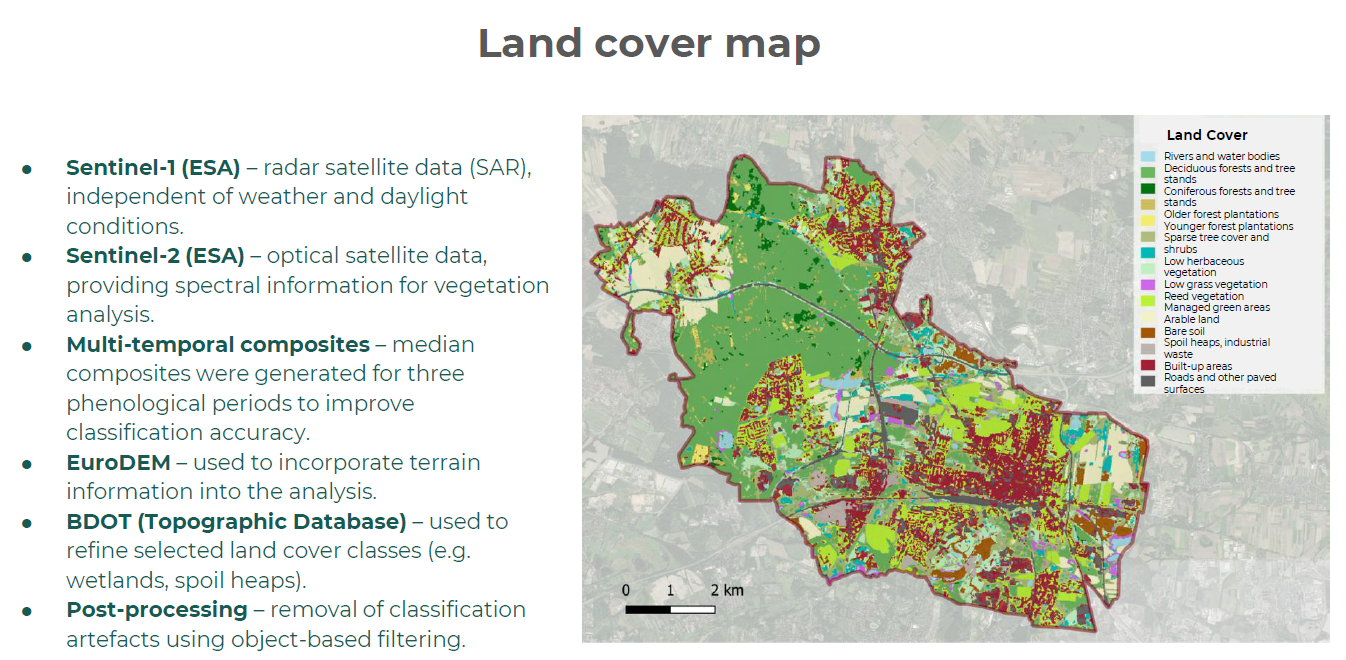
To address this, Bytom set out with a clear aim: to make this invisible layer of urban carbon assets visible. The city developed an innovative methodology called Space-to-Soil, which integrates satellite imagery with field surveys in a precise and practical way. By combining satellite data, machine learning, and on-site validation, green spaces are translated into measurable urban carbon assets. This approach is particularly important in post-industrial landscapes, where what appears green on the surface does not always reflect the true carbon value beneath. Some areas may seem modest but store enormous amounts of carbon below ground.
The Space-to-Soil method helps cities avoid the common pitfall of equating green-looking spaces with high-value carbon assets. It also functions as a monitoring tool, allowing cities not only to capture a snapshot in time but to update the data every few years.
The findings from Bytom are significant. The total carbon volume stored in the city’s ecosystems, across both soil and biomass, amounts to 4.84 million tonnes of CO₂. These assets require careful protection. If disturbed, the stored carbon can return to the atmosphere faster than the city can recover it. As emphasised during the presentation, carbon wealth must not be treated as a green alibi for justifying new emissions.
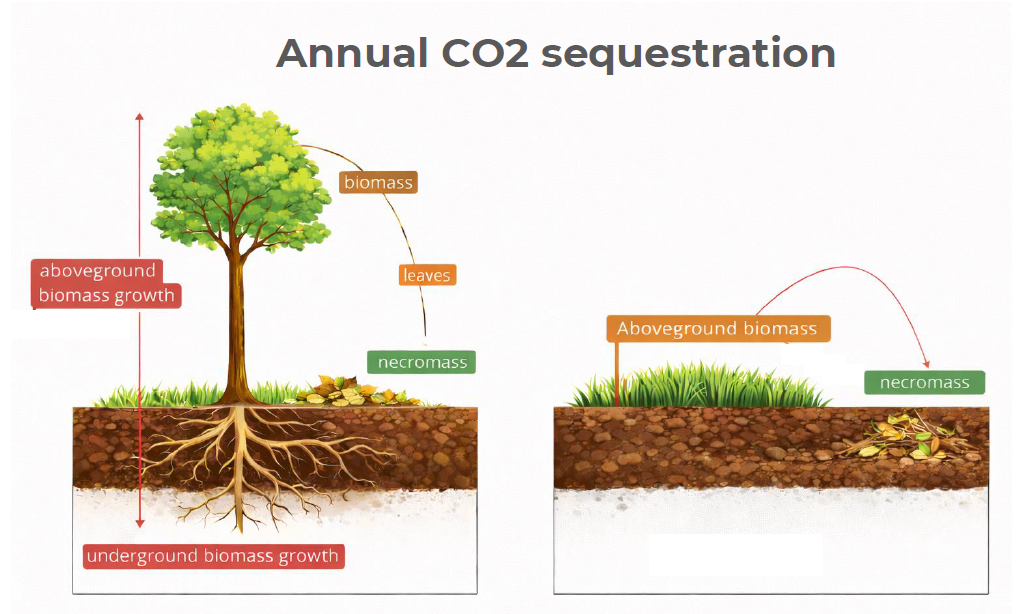
One of the key insights is that the largest carbon stores are not always the most visible. Soil plays a critical role in the carbon balance. While urbanised green areas offer near-zero storage capacity, wetlands and mature forests are far more effective at storing CO₂. At the same time, young forest plantations show the fastest rates of carbon absorption, as their rapid growth accelerates uptake. This makes investment in young forests one of the quickest ways to increase carbon absorption capacity.
Looking ahead, the challenge remains clear: how can carbon assets and climate adaptation be integrated into everyday investment, planning and urban change? Bytom’s approach points toward practical solutions. High-carbon areas, such as forests, wetlands, and often undervalued post-industrial nature, should move to the centre of planning discussions: Forests matter because of their scale, and wetlands matter because of their intensity.
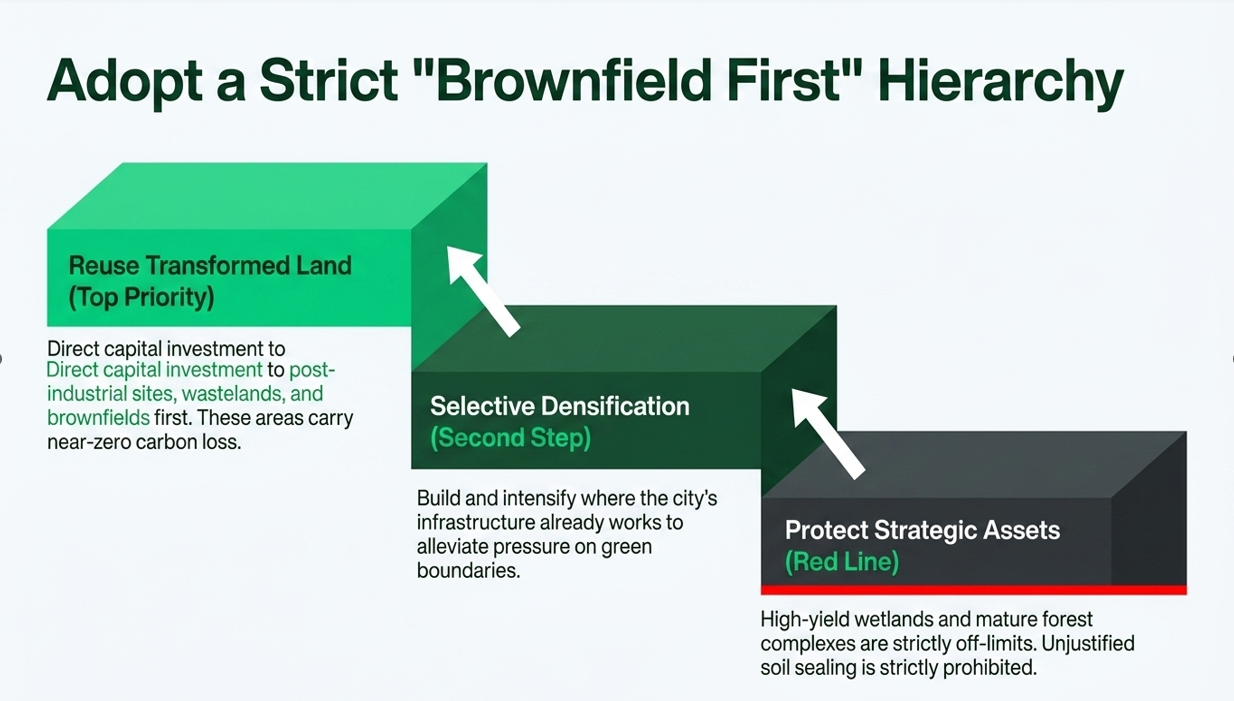
Protecting these assets requires concrete action. Cities should include high-carbon areas in planning and investment priorities, limit soil disturbance and draining, and avoid hard transformations of these sites. Above all, such areas should be treated as strategic assets rather than land reserves waiting for development. This reinforces the broader need for climate budgeting: green assets are limited, slow-growing, and easy to lose.

Additional links
details
-
Homepage
-
Project typeCore Project

-
ImplementationNovember 2023 - October 2026
-
StatusOngoing
-
Contribution to EUSBSRPolicy Area Energy

-
Target groups
- Local public authority
- National public authority
- Regional public authority
-
Social media
-
Additional links
-
Tags