





Regenerative tourism in focus at the Just Transition Platform Groundwork Event in Finland
14 April 2026
The JTP Groundwork event concentrated on how regions can manage economic and climate transitions, with a strong focus on skills, cooperation, and practical solutions. The discussions clearly underscored that transition is not solely about moving away from carbon-intensive sectors but also about developing new, resilient economic opportunities. In this context, tourism was recognised as an important – and often underestimated – contributor.
Tourism as a driver of regional transition
For many regions in the Baltic Sea area, particularly those rich in nature and facing structural changes, tourism offers a realistic pathway for diversification. It can support local jobs, strengthen regional identity and create new value chains, while aligning with environmental goals.
At the same time, the sector itself is evolving. Increasingly, attention is shifting from traditional growth models towards approaches that bring long-term benefits to both people and places.
One of the key contributions to the forum was the introduction of regenerative tourism through the RegenT project. This approach goes beyond minimising negative impacts and instead focuses on actively improving ecosystems and strengthening local communities. At its core lies a simple but powerful idea: people and nature must thrive together. Tourism, when designed responsibly, can support this by reinforcing local ownership, encouraging cooperation and creating value that stays within the region. RegenT translates this concept into practice by developing a knowledge hub with training, policy recommendations and real-life examples tailored to destinations, authorities and businesses across the Baltic Sea Region.
Connecting nature restoration and local economies
The forum strongly emphasised nature-based solutions such as peatland restoration, biodiversity protection and new bioeconomy models. In this context, regenerative tourism offers a unique link between environmental goals and economic development. By building on local resources, culture and partnerships, it can help turn ecological transition into tangible opportunities for communities and businesses.
Experiences from across the region show that what works best is a combination of strong local cooperation, practical tools and a long-term perspective. At the same time, challenges remain, particularly when it comes to scaling pilot solutions and ensuring that benefits stay local.
A shared Baltic perspective
Discussions in Finland confirmed that countries around the Baltic Sea face many common challenges, yet they also have significant potential for collaboration. Including tourism in this wider transition agenda creates new opportunities for cross-sector and multi-level cooperation. It also strengthens tourism’s role as a strategic instrument not just for economic development but also for fostering more resilient, inclusive, and future oriented regions.
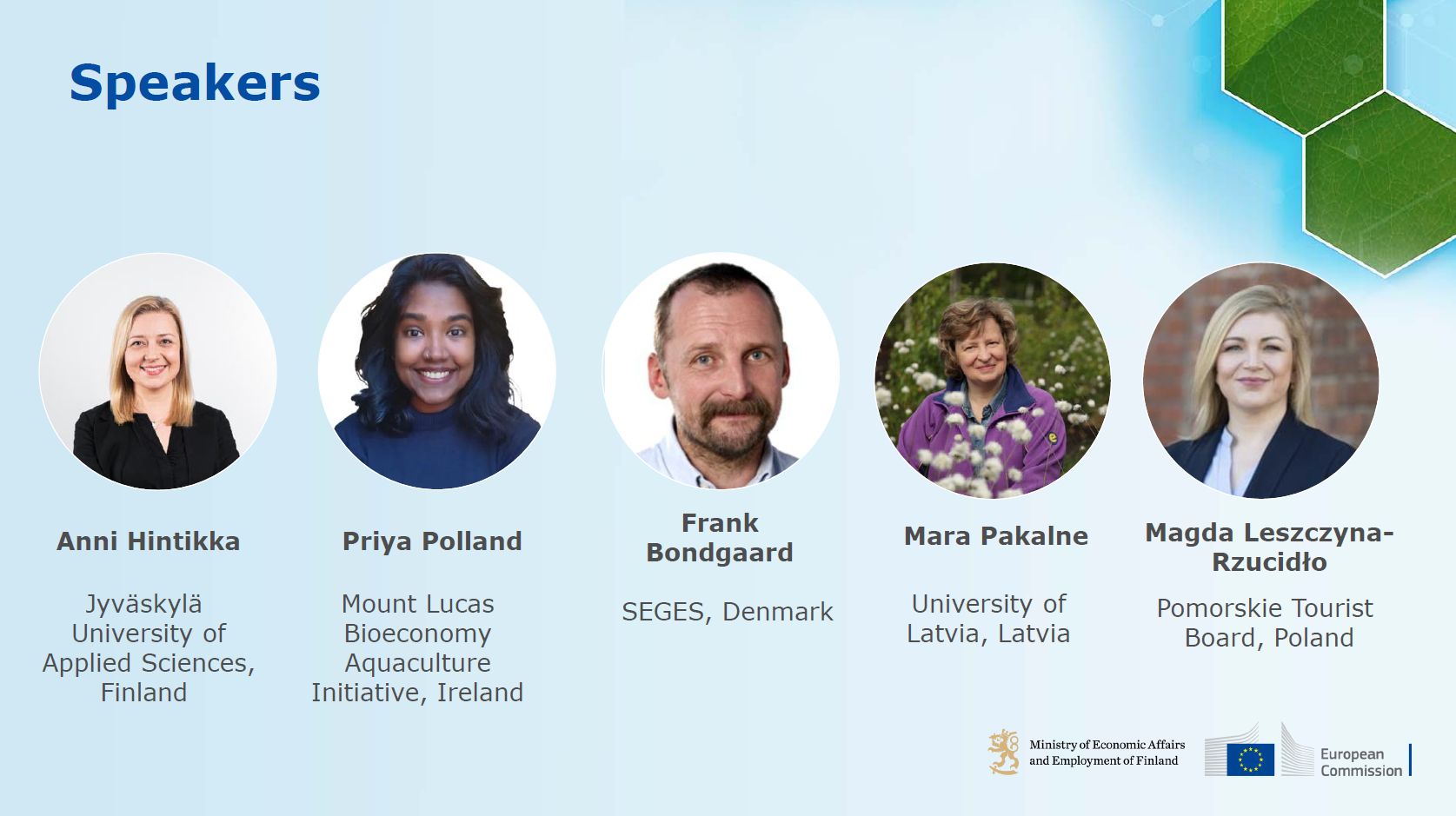
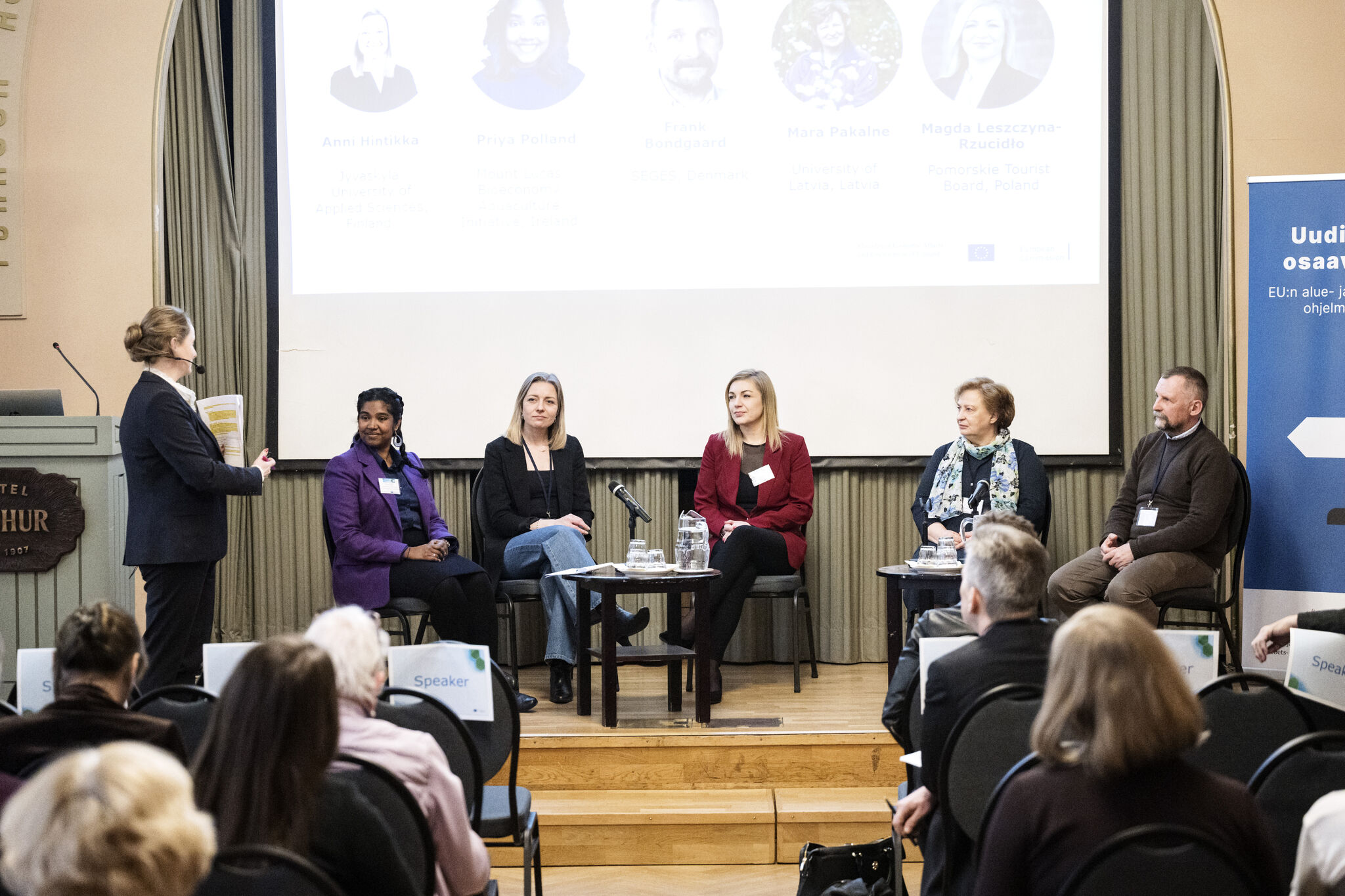
The RegenT platform was represented with a presentation and panel discussion by Pomorskie Tourist Board and EUSBSR Policy Area Tourism Coordinator, Magda Leszczyna-Rzucidło.


Additional links
details
-
Homepage
-
Project typeProject Platform

-
ImplementationJuly 2025 - June 2028
-
StatusOngoing
-
Contribution to EUSBSRPolicy Area Tourism

-
Target groups
- Interest group
- International governmental organisation
- Local public authority
- Regional public authority
- Sectoral agency
-
Social media
-
Additional links
-
Tags