




Presenting our partners: Centria
10 April 2026
The power of coordination and collaboration in advancing the circular economy
Centria University of Applied Sciences is a higher education institution focused on applied research, development, and education, combining strong regional expertise with international cooperation. In the CompositeCircle project, Centria acts as the project coordinator. Centria has extensive experience in both international and national development projects, which provided a solid foundation for building the CompositeCircle project.
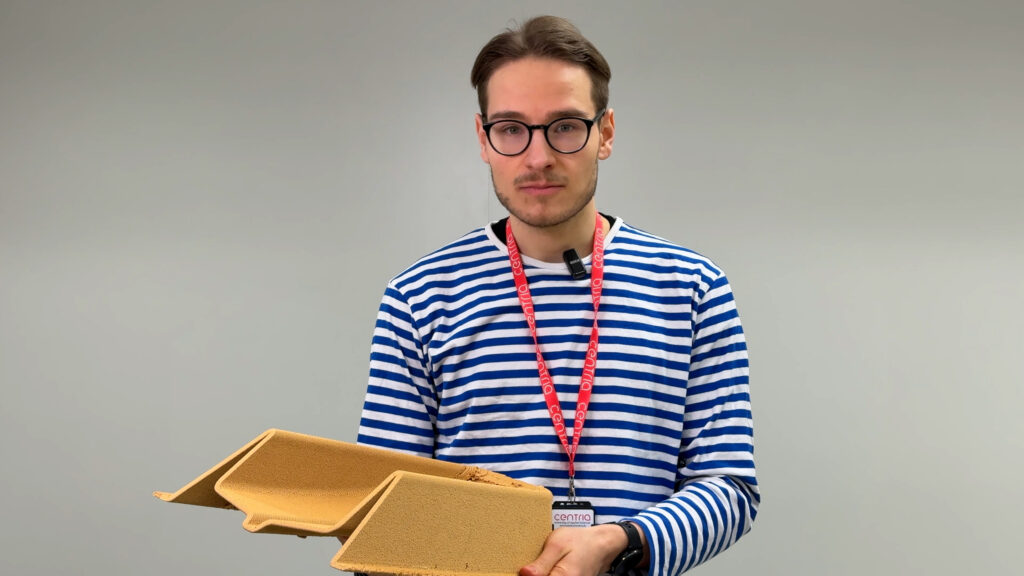
“As the project coordinator, our role is to keep the overall picture under control
and make sure that collaboration between partners works efficiently,”
says Eemeli Seppänen, Project Manager of the CompositeCircle project at Centria.
Building structures for effective collaboration
During the early stages of the project, Centria’s work has focused on structuring the different activities: Defining what needs to be done, when, and with which objectives. At the same time, practical approaches for international collaboration have been developed to support cooperation between partners from different countries and organizational cultures.
“Working with multiple partners requires clear communication and regular
interaction to ensure that everyone is moving in the same direction,”
Seppänen explains.
Regular meetings, both virtual and face-to-face, have proven to be a key success factor. They support open dialogue, knowledge sharing, and the development of shared solutions.
International cooperation brings both opportunities and challenges
One of the main challenges of the project is its international nature. Different countries have different practices, structures, and starting points for circular economy solutions. CompositeCircle aims to find a common framework that works across these differences and supports composite recycling at a broader European level.
For Centria, the project also opens new future opportunities. The development of chemical recycling methods and related expertise provides strong potential for further research, innovation, and new application areas.
“This project creates valuable knowledge that can be further developed
and applied to different composite materials and recycling solutions in the future,”
Seppänen notes.
Centria sees the CompositeCircle project as an important step toward impactful international circular economy cooperation, one that creates value both locally and across Europe.

Additional links
details
-
Homepage
-
Project typeCore Project

-
ImplementationMarch 2025 - February 2028
-
StatusOngoing
-
Contribution to EUSBSRPolicy Area Innovation

-
Target groups
- Large enterprise
- Small and medium enterprise
-
Social media
-
Additional links
-
Tags