




The effectiveness of recycled nutrient fertilizers tested in greenhouse trials
04 March 2026
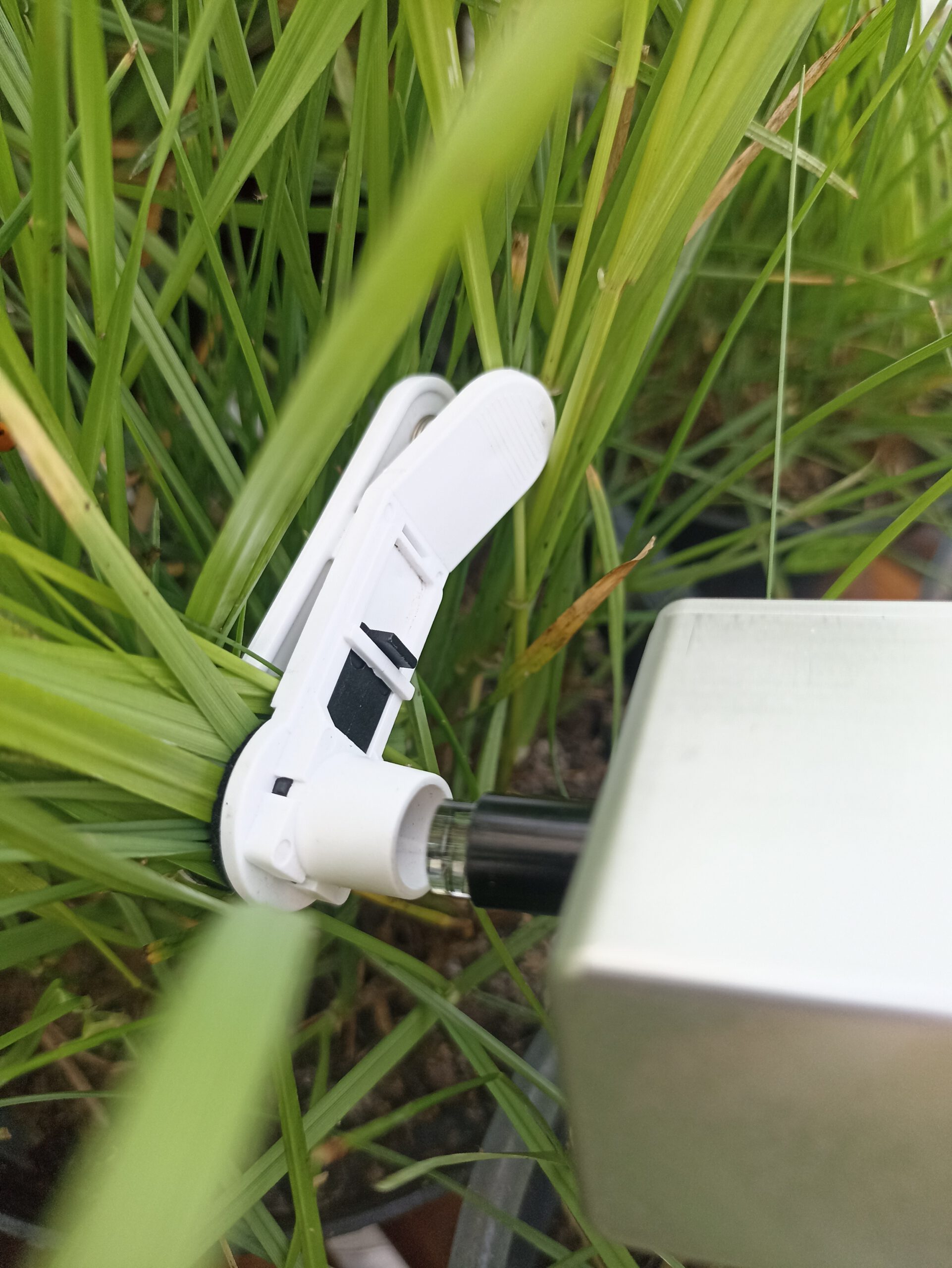
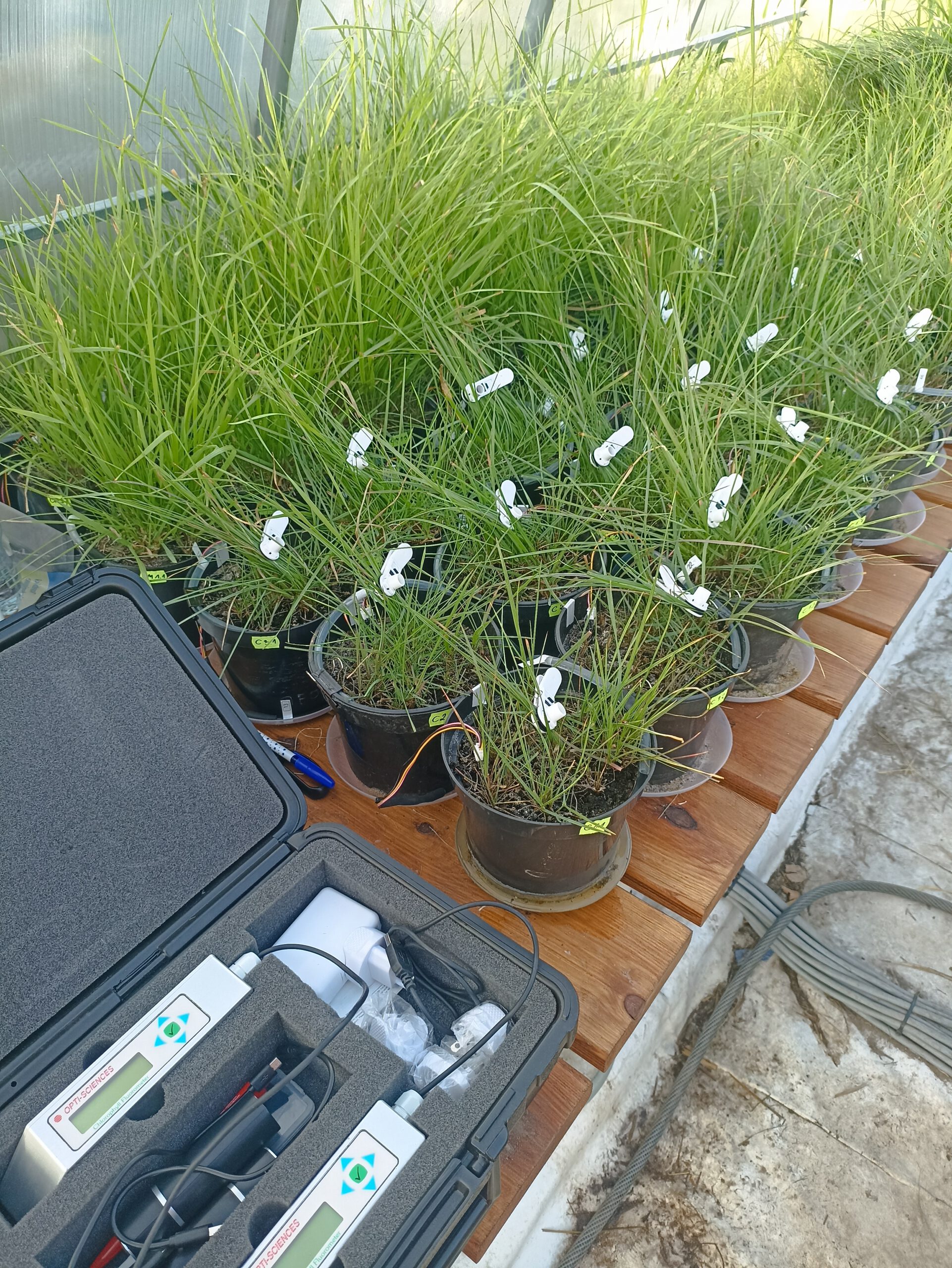
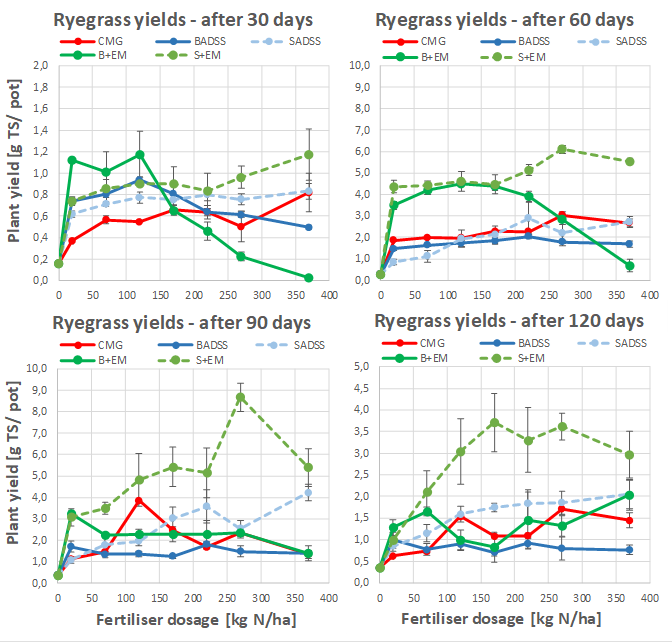
Several CiNURGi partners are running experiments to assess the effectiveness of different recycled nutrient fertilizers. In a four-month greenhouse experiment, researchers at IMP PAN tested two recycled fertilizers developed by CiNURGi partner Rendben Ltd., versions of them enriched with effective microorganisms (EM) derived from a bakery and diary waste stream, and a commercial cow manure fertilizer to grow ryegrass. As part of the experiment the ryegrass was treated with different nitrogen levels and the growth measured over four harvests. This study evaluated recycled nutrient fertilizers by looking at crop yield, nitrogen uptake, nitrogen use efficiency (NUE), and relative agronomic effectiveness (RAE) across different nitrogen application rates. These are all established metrics in soil sciences: Agronomic effectiveness reflects the effectiveness of a fertilizer on plants growth and yield, while nitrogen use efficiency refers to how much of the nitrogen in the fertilizer has been used by the plant.
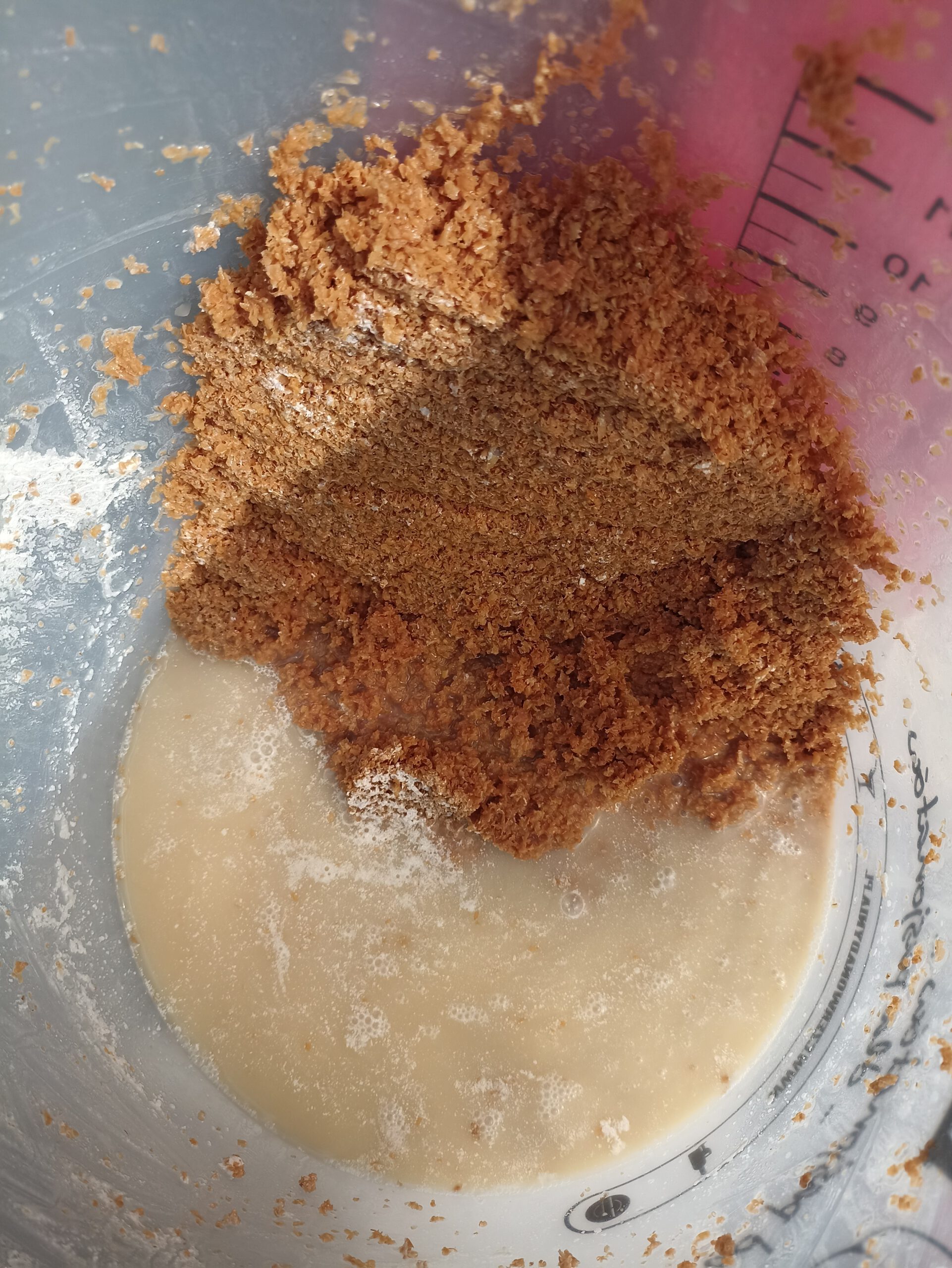
The recycled nutrient fertilizers used for the experiment were produced by Rendben Ltd. using locally available waste substrates. The fertilizers have been named BADSS and SADSS, acronyms of their contents. The BADSS fertilizer pellets are composed of fish food processing waste, digested sewage sludge, biomass ash and wood and oilcake biochar and the SADSS fertilizer pellets are composed of fish food processing waste, digested sewage sludge, biomass ash and bovine shavings from a car upholstery plant.
The results show that fertilizers made from recycled organic and mineral waste can perform as well as, or even better than, traditional cow manure fertilizer. This supports their role in circular nutrient management. The best results, or highest yields, came from EM-treated SADSS. However, nitrogen use efficiency (NUE) dropped sharply when more nitrogen was applied. This means that adding more nitrogen to the soil does not always pay back in getting growth benefits per input. When the extra nitrogen from the fertilizer enriched from the bakery and diary waste stream with microbial additives was included in the calculations, it became clear that the higher yields were mainly due to higher total nitrogen input — not better nutrient efficiency. This showed that the higher yields could have been partly due to higher total nitrogen input, or a synergistic effect between additional nitrogen and better nutrient use resulting from lowering pH and presence of introduced microorganisms. That shows that yield alone is not a good measure of sustainability.
Soil analyses supported these findings. The effective microorganism treatments changed soil conditions (such as pH and nutrient availability), which helped release nutrients but also increased the risk of nutrient buildup if application rates were too high. Additional plant measurements showed that yield differences were mainly explained by how well plants used nitrogen and regrew after harvest. Plant stress played a smaller role.
Among all tested products, non-enriched SADSS performed the most consistently. It provided strong crop performance while maintaining relatively stable nitrogen efficiency across different nitrogen levels. This suggests it released nitrogen in better balance with plant needs. In contrast, BADSS and EM-enriched fertilizers were more sensitive to high nitrogen doses and lost efficiency more quickly.
Overall, the study shows a clear trade-off: higher yields do not automatically mean more sustainable nutrient use. To properly evaluate recycled fertilizers, both yield and nutrient efficiency must be considered, and all nutrient inputs should be included in the analysis. The results support using performance-based criteria in fertilizer regulation. When properly managed, recycled nutrient fertilizers can help reduce reliance on conventional fertilizers, improve nutrient recycling, and support a circular economy.

Additional links
details
-
Homepage
-
Project typeCore Project

-
ImplementationNovember 2023 - October 2026
-
StatusOngoing
-
Contribution to EUSBSRPolicy Area Nutri

-
Target groups
- Interest group
- National public authority
- Small and medium enterprise
-
Social media
-
Additional links
-
Tags