




Energibyen Skive examines awareness and potential for biochar in the Skive area
11 February 2026
Biochar holds potential with regard to nutrients, soil quality, and climate mitigation, but it is also a topic where knowledge, experience, and assessments vary. Nevertheless, the Danish government has allocated a billion Danish kroner in a funding package. This is the result of a political agreement on the green transition and climate action aimed at reducing Denmark’s greenhouse gas emissions, particularly from agriculture — a sector that is difficult to decarbonize using conventional technologies.
Against this backdrop, Energibyen Skive has chosen to investigate general awareness of biochar.
“With this study, we are looking at awareness, experiences, and assessments of biochar. This gives us a better basis for understanding how biochar is perceived in practice and where there may be a need for more knowledge,” says Stephan Scheelke from Energibyen Skive.
The study is based on local conditions and experiences. Energibyen Skive has already mapped nutrient rich residual biomass streams in Skive Municipality as part of the project, and the work on biochar is seen as part of a broader effort to understand the possibilities for circular resource utilization in the Skive area.
See the full report, Mapping of Residual Biomasses in Skive Municipality, via the link.
Dialogue and survey provide nuance
To gain a nuanced picture about biochar, Energibyen Skive has combined several methods. Focus interviews have been conducted with farmers and biogas producers, dialogue has taken place with a local crop consultant from Fjordland Skive, and conversations have been held with the target group at events such as the Fjordland Congress and the Danish Plant Congress (Plantekongressen).
In addition, a survey on biochar has been developed, and responses are currently being collected.
“These discussions give us depth and understanding, while the survey helps us identify patterns and trends. We have chosen to combine different methods to gain insights from multiple perspectives,” says Stephan Scheelke.
Knowledge before decisions
It is important for Skive Municipality to emphasize that the study is not intended to result in recommendations on whether biochar should be used or not. The purpose is to understand better the perspectives of key stakeholder groups in our area, so we can determine what opportunities there may be for including biochar use in our circular economy initiatives in Skive.
“As a partner in CiNURGI, we continuously gain new knowledge, which is why it is relevant to examine awareness and approaches to biochar,” concludes Stephan Scheelke.
The results will feed into Energibyen Skive’s continued work with knowledge, dialogue, and local development — with a focus on realistic and applicable insights for businesses in the Skive area.
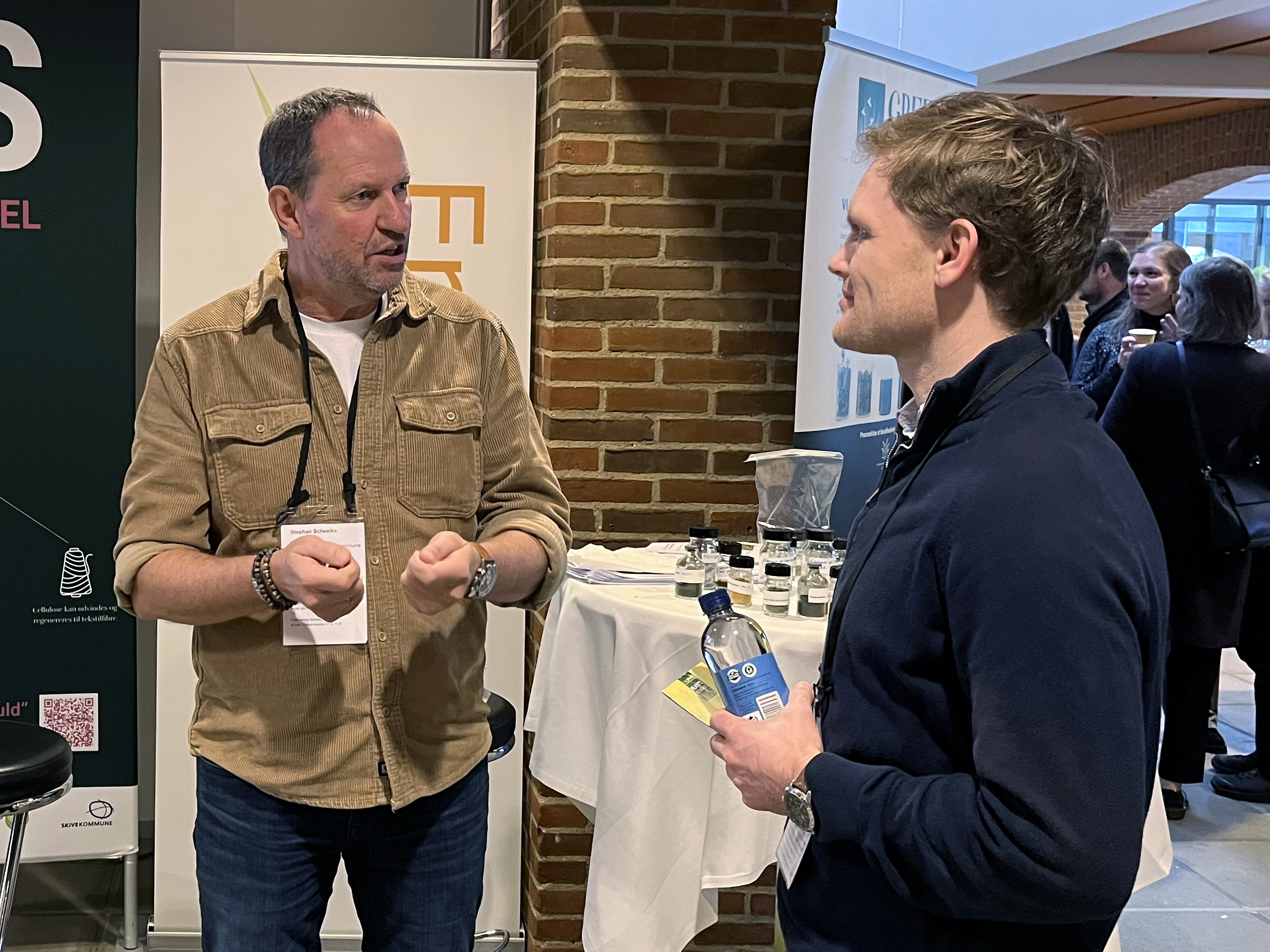
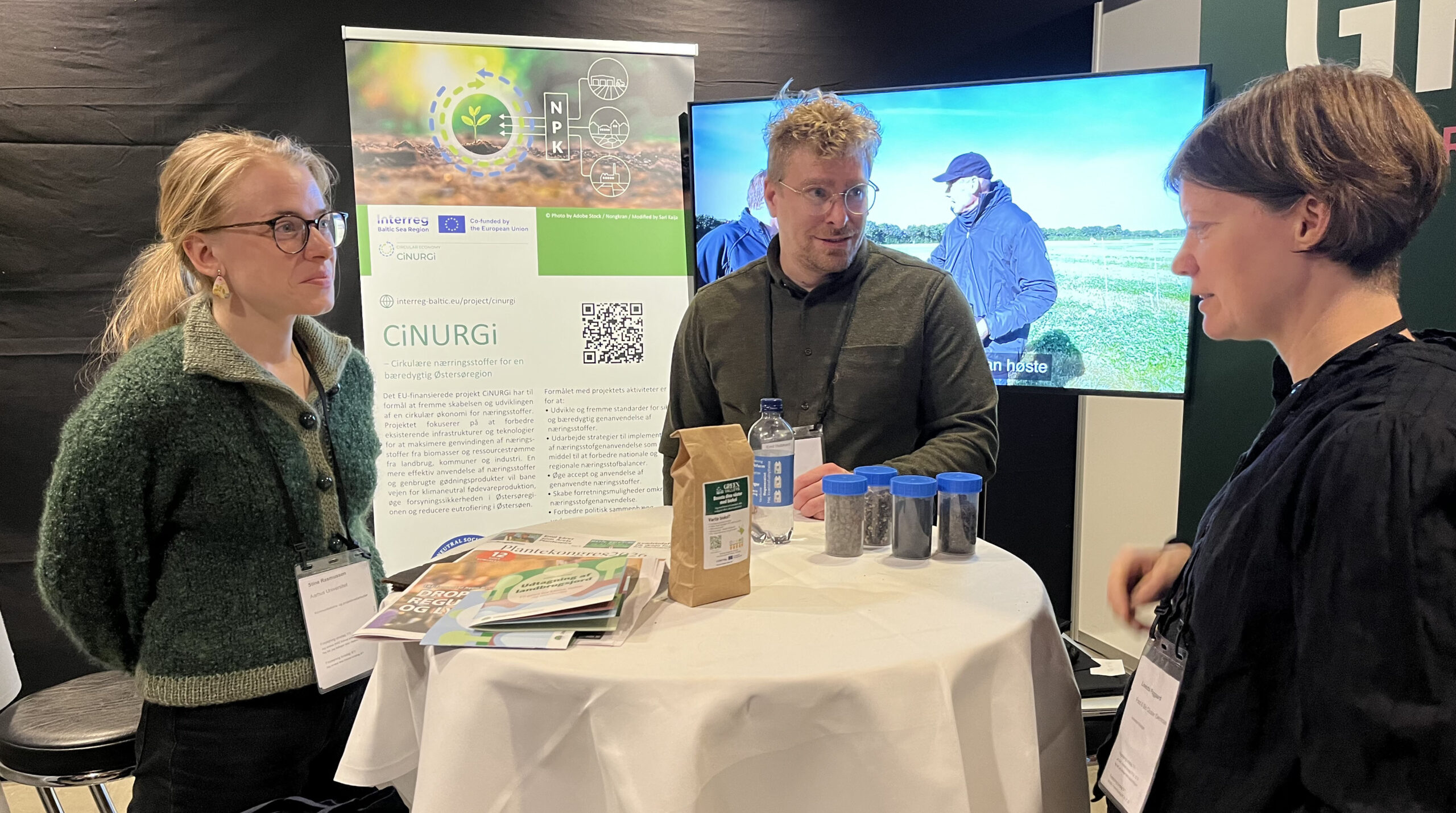
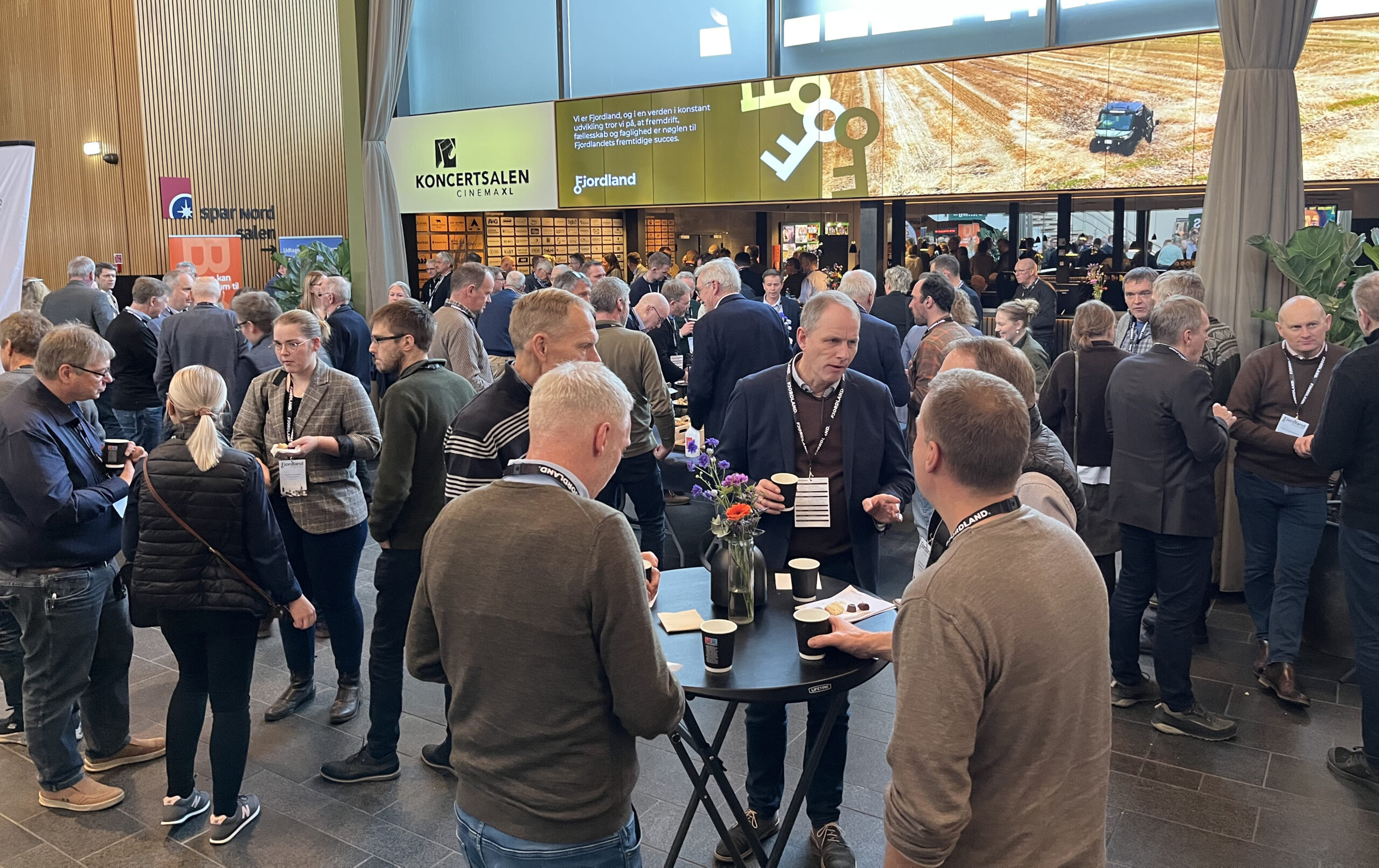
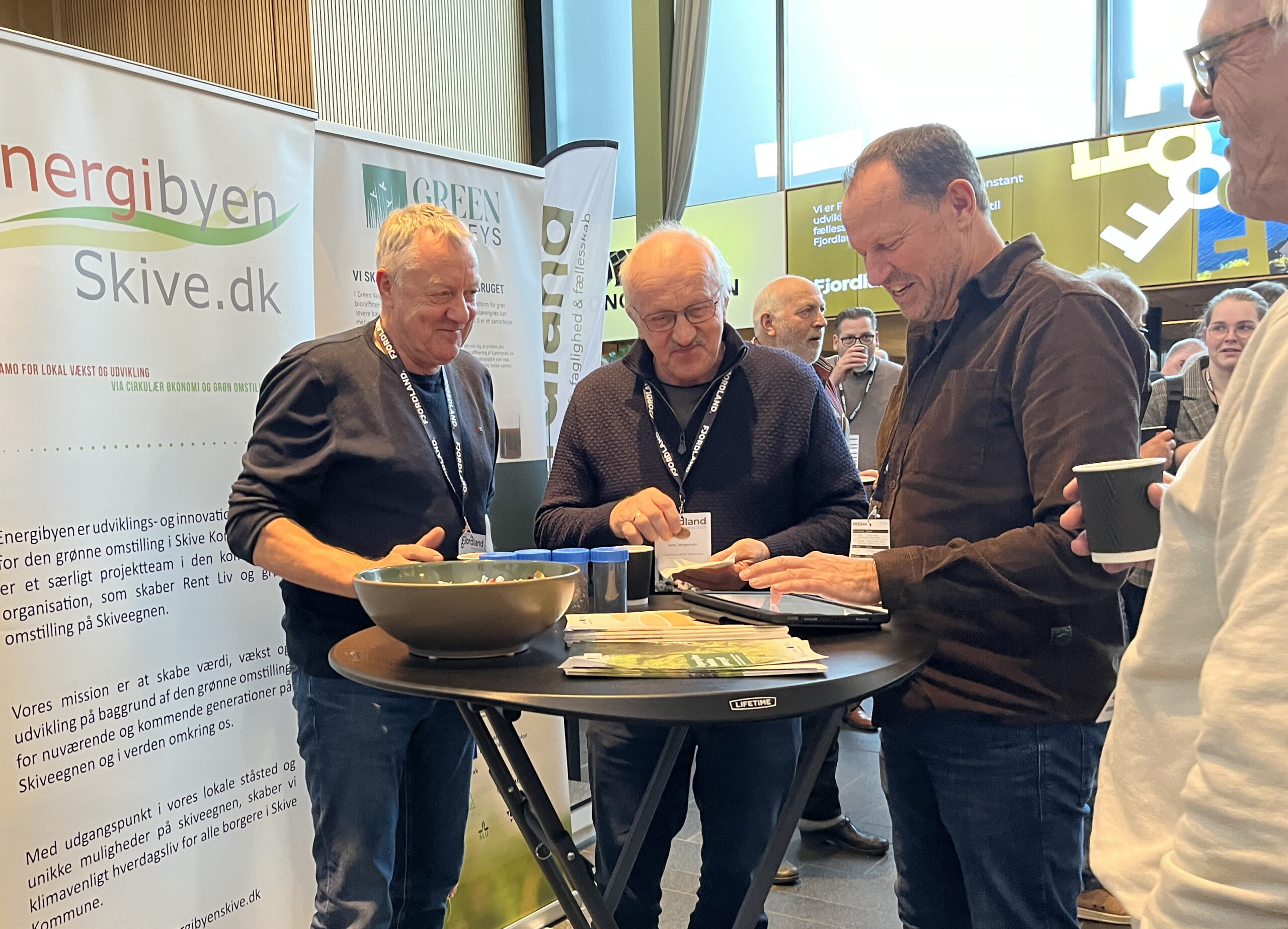
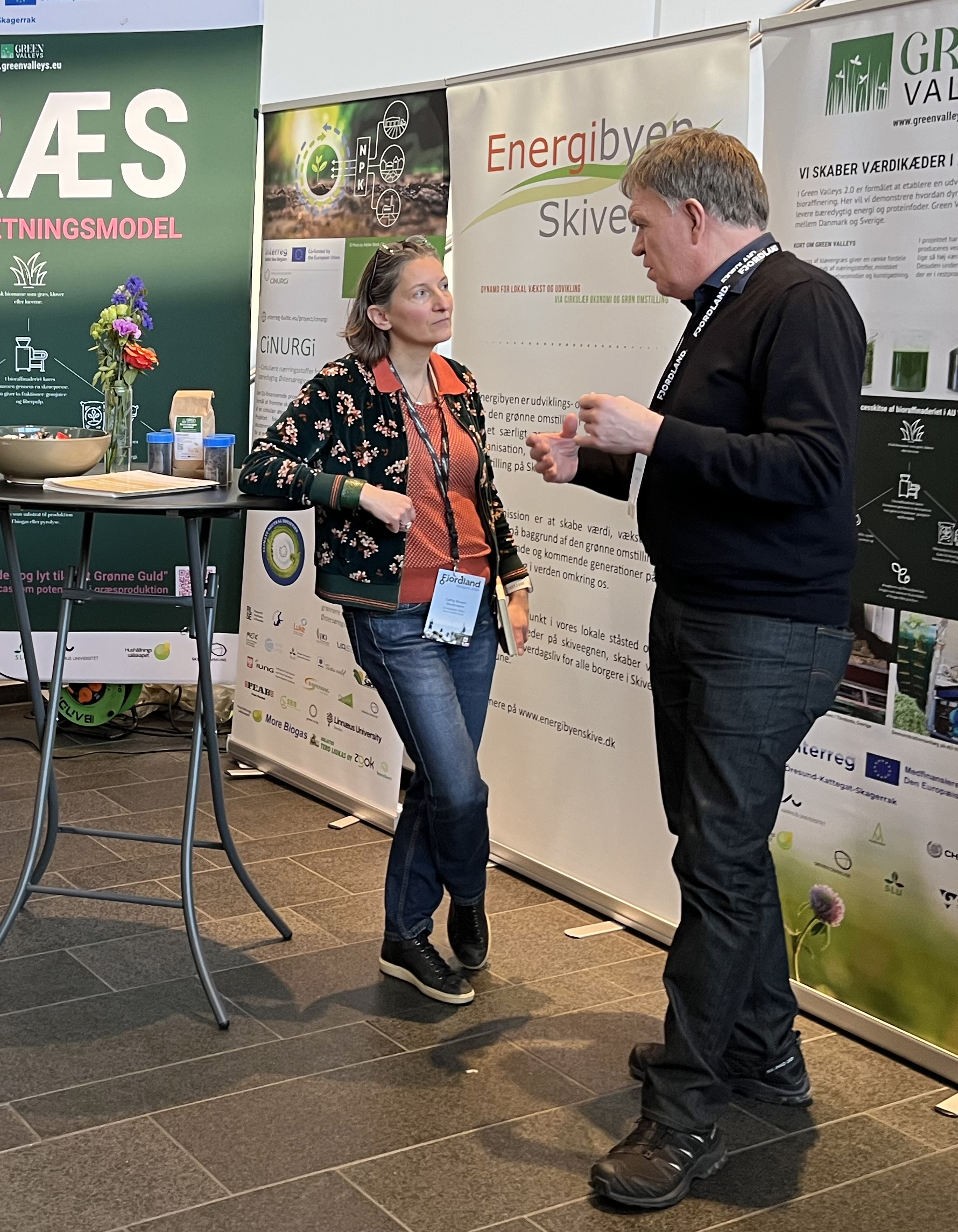
Below are a selection of pictures from the different events, the Fjordland Congress and the Danish Plant Congress (Plantekongressen).

Additional links
details
-
Homepage
-
Project typeCore Project

-
ImplementationNovember 2023 - October 2026
-
StatusOngoing
-
Contribution to EUSBSRPolicy Area Nutri

-
Target groups
- Interest group
- National public authority
- Small and medium enterprise
-
Social media
-
Additional links
-
Tags