





17 February 2026
Grand results of the first round of small projects!
Written by Anna Gałyga
Small but mighty
These 17 small projects were among the first selected at the start of the Interreg Baltic Sea Region Programme 2021-2027. With total co-financing of EUR 6.4 million from the European Regional Development Fund, the projects brought together 113 partners from all nine Programme area countries. Working together as if there were no borders, they brought results our region needs, strengthening the skills and knowledge of 425 organisations across the entire region. They set networks in motion that extend beyond the project’s lifetime, anchoring trust and a wider cooperative spirit for the future.
Notably, 38% of the project partners in small projects entered the Interreg world for the first time. This high proportion of newcomers demonstrates that small projects have been an effective instrument for easing access to Interreg, which is one of the smartest and most efficient ways to building an attractive and resilient region: by working together!
Let’s wrap it up!
Thematically, the projects contributed to six out of seven Programme objectives, leaving a noticeable mark on achieving the Programme’s overall objective. Small projects, with less than half a million euros in EU funds each and an average duration of just 24 months, proved highly successful. By developing roadmaps, raising awareness among decision makers, delivering training to practitioners, developing or expanding solutions, each small project found its own way to address a concrete challenge or to feed into ongoing reform processes and discussions.
What achievements can we put into the spotlight?
- More resilience for culture: museums and cultural institutions have strengthened their financial stability, improved their digital capacities, and modernised their governance models (BaMuR).
- A healthy mind in a healthy body: thanks to the Farm-to-School programme, local and organic products are reaching school tables more easily across the region (BSR Food Coalition). Public authorities and catering companies are also using an expanded public meal toolkit to procure environmentally sound meals in schools and other public institutions (StratKIT+).
- A “yes” to inclusiveness: AI-supported and other participatory methods have helped authorities, educational, and cultural organisations actively engage young people in urban and climate planning (UrbanTestbeds.JR). At the same time, the voices of refugees have been amplified: business support organisations received training to better support their integration into labour markets (Prosper BSR).
- More tourism, fewer impacts: a new roadmap sets realistic goals for sustainable and attractive Baltic Sea tourism by 2030, linking regions, sub-destinations, and harbours (BaltSusBoating 2030). A dedicated networking hub has also made it easier to exchange good practices and green concepts to improve water quality in lakes in tourist areas (Lakes connect).
- Safer navigation and beyond: harmonised gravity measurements and reliable datasets now support safer navigation, offshore planning, and improved sea traffic management (BalMarGrav).
- Stronger action against pollution: Harmonised biological effect methods help better assess contamination on living organisms (BEACON), while a hybrid mix of advanced wastewater treatment technologies has proven capable of removing up to 90% of pharmaceuticals and other micropollutants (AdvIQwater).
- Non-toxic and climate-neutral products and services: municipalities, suppliers, and service providers have gained practical tools and training to implement greener and more circular public procurement practices (ChemClimCircle).
- Towards circularity: A dedicated knowledge base simplifies orientation among emerging circular bioeconomy technologies in agriculture (BREC). A matchmaking tool links companies in the glass fibre sector to reuse each other’s waste, reducing environmental footprints and strengthening business potential (GlassCircle). Regenerative business models support the reuse of blue and green resources across agriculture, aquaculture, and industry (Blue-Green Bio Lab).
- Towards energy self-independence: A roadmap for a coordinated energy system for the region supports long-term planning for offshore wind and hydrogen infrastructures (BOWE2H). New recommendations outline pathways to increase the share of biomethane and hydrogen across the Baltic Sea region (BEST ACE). At the same time, companies, institutions, and individuals have gained better access to tools supporting the installation of small-scale photovoltaics (PV 4 All).
Small steps for a big change!
“A small step for a big change” captures the idea behind the Interreg Baltic Sea Region small projects. While the first step is often the hardest, it is also the one that makes change possible. We invite you now to explore the steps each project has taken to help make the Baltic Sea region more resilient, attractive, and environmentally friendly for people across places and generations!
#DidYouKnow
Interested to learn more? For each of the finalised small projects, we – the Programme – have prepared a dedicated wrap-up page with main achievements, highlights and spin-off activities. Check the wrap-up pages now!
Don’t miss these links
More recent news
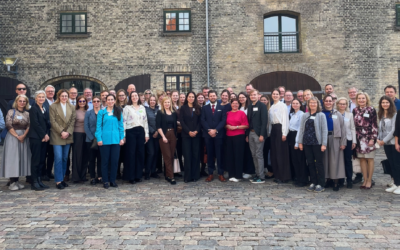
Continuing the dialogue with the EUSBSR on future transnational cooperation
What should Interreg Baltic Sea Region, as a transnational cooperation programme, address after 2027? As work on the future Programme progresses, dialogue with regional stakeholders helps us further develop the cooperation needs identified by the Programme countries. The EUSBSR is of particular importance in this process, bringing the macro-regional strategic perspective and helping to ensure that future cooperation needs are firmly rooted in the updated EUSBSR Action Plan and its implementation. The opening of the Danish EUSBSR Presidency provided a timely opportunity to bring this perspective into the ongoing Programme development dialogue.
This September take Cooperation Further!
On 21 September, Interreg Cooperation Day brings projects across Europe out of the meeting room and into the streets. Here’s how your project can join in, and why it’s worth the effort.
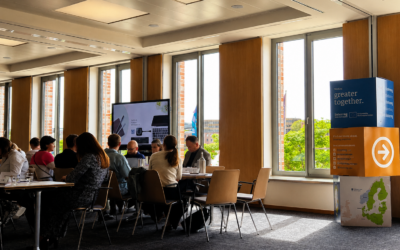
Getting ready to turn ideas into action, new small projects gather in Kiel
25 June 2026 Getting ready to turn ideas into action, new small projects gather in Kiel Written by Anna ZaccaroBefore new projects can create...
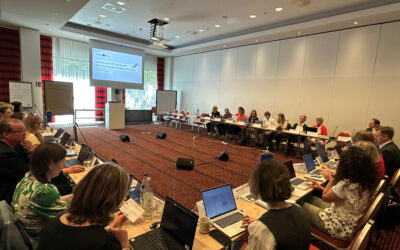
From achievements to ambitions: shaping the future Interreg Baltic Sea Region
While the current Interreg Baltic Sea Region Programme is delivering results across the region, preparations for the next Programme are already gaining momentum. This dual focus was at the heart of the Monitoring Committee meeting held in Berlin on 9–10 June 2026.