




KISMET conference strengthens regional collaboration for sustainable food systems in Sweden
09 December 2025
On 9 December, the Swedish KISMET team hosted a landmark conference titled “Ekodistrikt – Matkultur – Beredskap: Cilento möter Sörmland” at Kulturhuset in Ytterjärna. The event aimed to share the tools developed within KISMET with Swedish stakeholders and target groups, while strengthening Bio district Sörmland and the Local Innovation Partnership. By creating opportunities for interaction between local and regional authorities, business support organisations, local producers, and their (future) customers, the conference fostered collaboration for more resilient and circular food systems.
KISMET in Focus
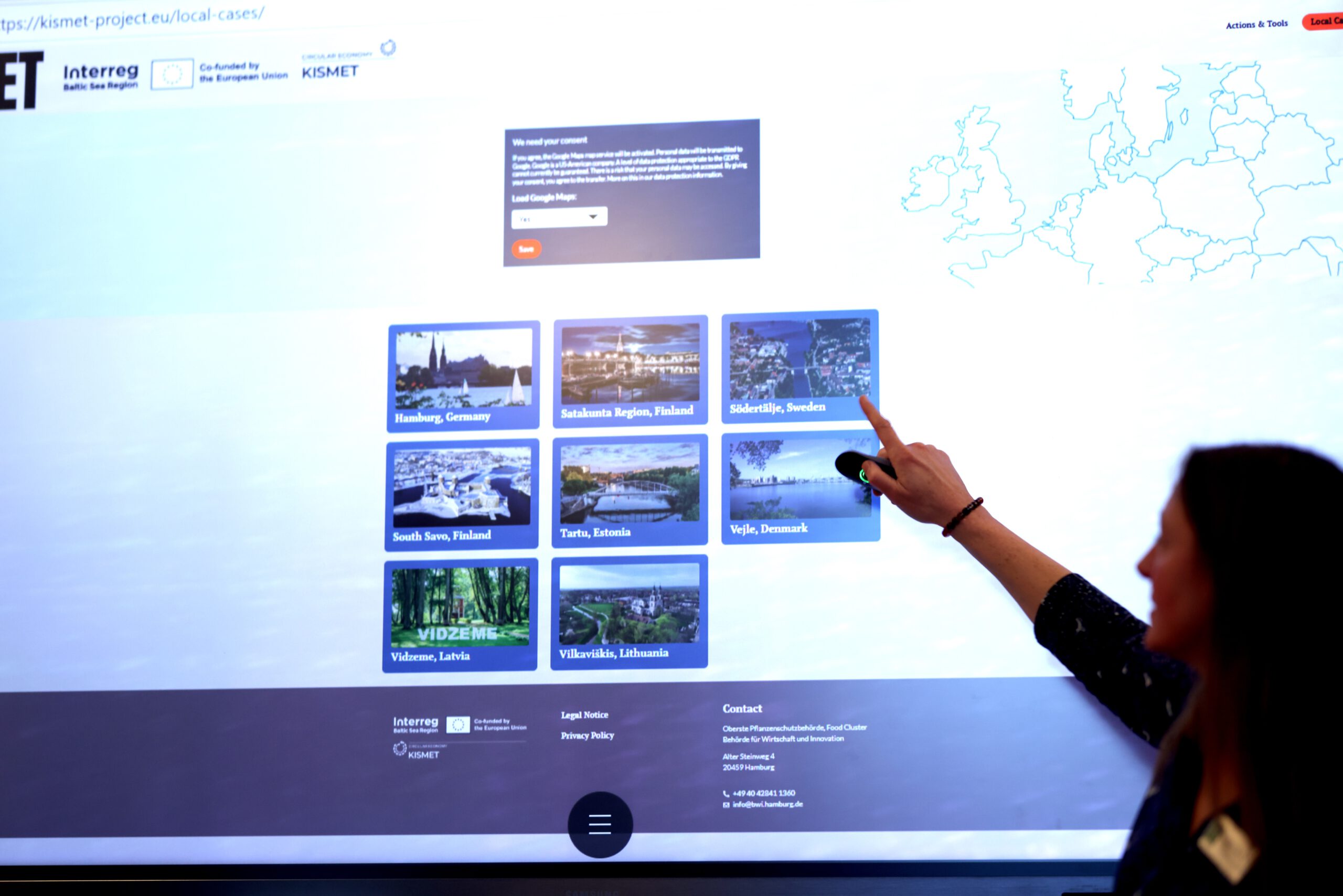
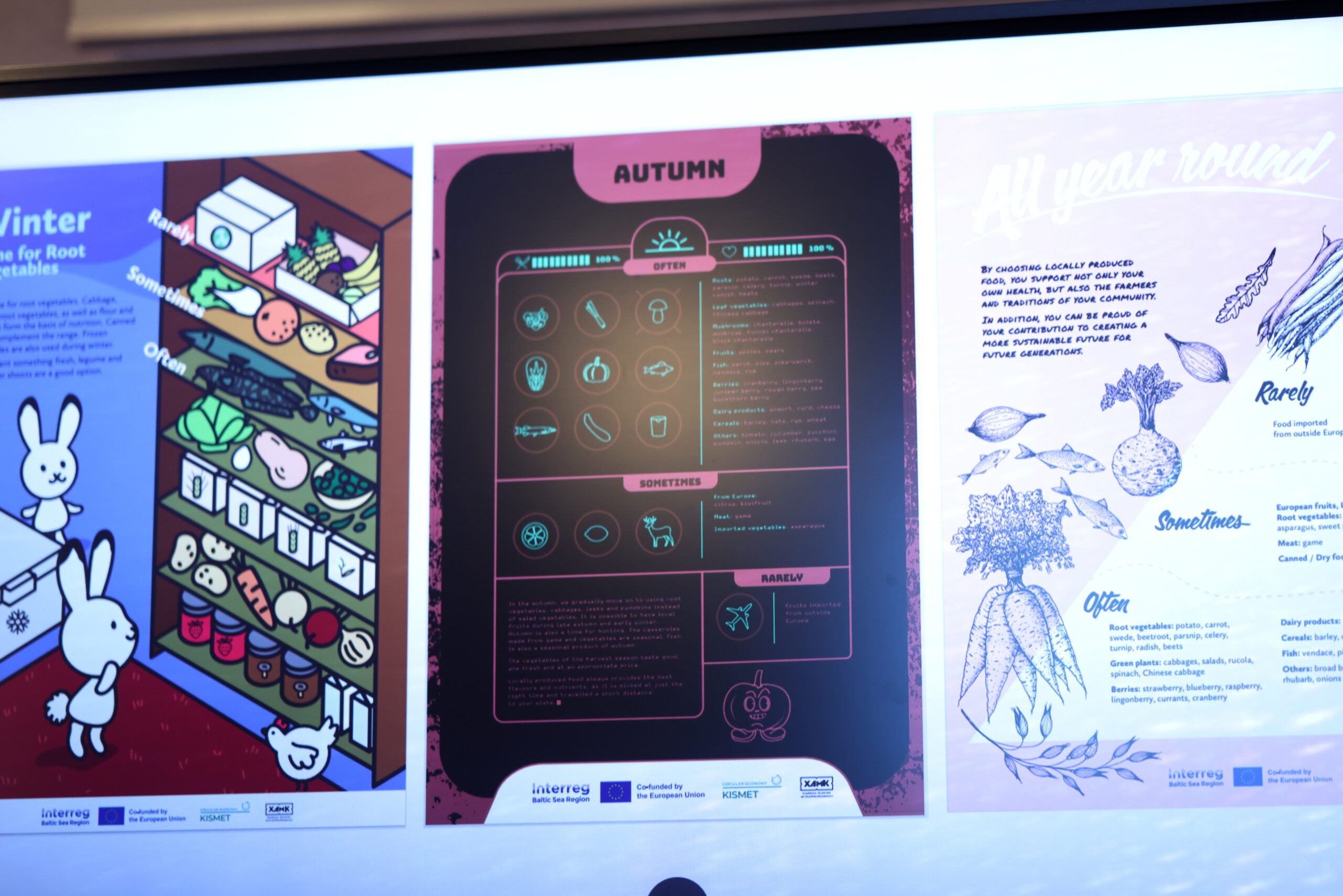
A dedicated plenary session introduced KISMET and the Enabling Programme for Sustainable Food Environments and Circular Food Systems as well as a practical guide to access the tools developed by the project partnership. Printed excerpts of KISMET analyses and guidance were available on-site, and all communication materials included direct links to the KISMET website—ensuring participants could explore resources after the event.
The KISMET project, co-financed by the Interreg Baltic Sea Region Programme, has spent three years developing more than 35 practical tools to help municipalities and regions transition to circular food systems. This conference served as a platform to share these innovations and inspire broader adoption.
International Exchange: Cilento Meets Sörmland
A highlight of the event was the interaction between Bio district Sörmland, that was piloted within the KISMET project, and representatives from Cilento, Italy, Europe’s first Bio district established in 2004. They shared insights on building cooperation among 40 municipalities, 400 producers, and local consumers, offering valuable inspiration for regional collaboration.
Afternoon Networking and Matchmaking
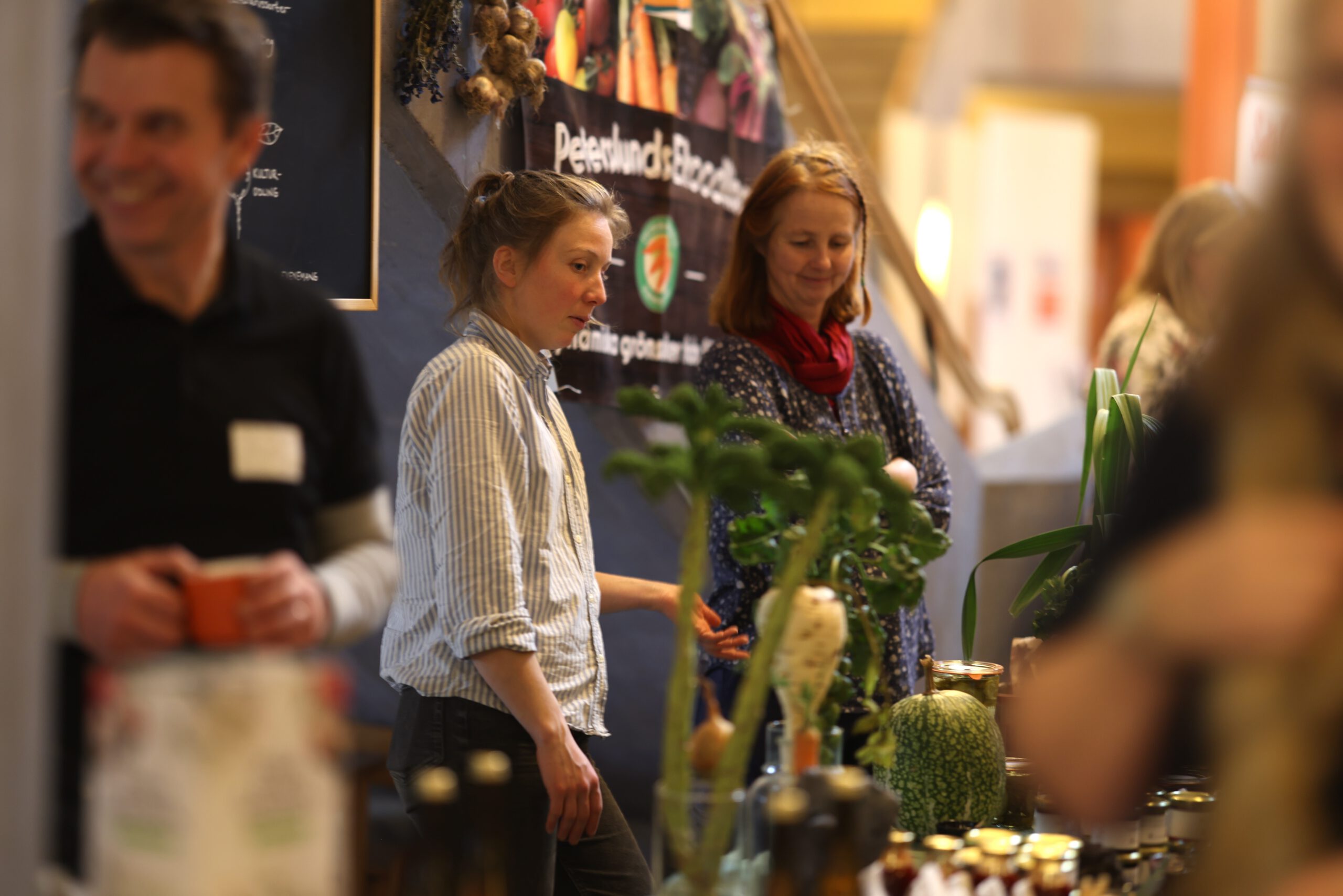
The afternoon featured interactive sessions with food producers from Sörmland and Cilento, chefs, and other actors in the food sector. Activities included matchmaking, discussions, and tastings, fostering connections that aim to strengthen sustainable trade between bio districts.
Targeted Participation
The conference brought together representatives from a wide range of municipal and regional authorities, reflecting diverse roles and responsibilities within the public sector. Attendees included officials from municipal administrations, meal service units, and political leadership, alongside representatives from regional authorities and county boards. In total, nine municipalities and three regional authorities were represented.
Business support organisations were also well represented, including four development nodes/clusters, three industry associations, and several cooperatives. Academia took part through two universities, and numerous local food producers and companies participated actively.
This broad representation ensured that the tools developed within KISMET reached the right target groups—from policymakers and municipal food services to business clusters and innovators—laying the foundation for stronger collaboration and practical implementation across the region of Sörmland and the southern part of Stockholm region.

Additional links
details
-
Homepage
-
Project typeCore Project

-
ImplementationJanuary 2023 - December 2025
-
StatusCompleted
-
Contribution to EUSBSRPolicy Area Bioeconomy

-
Target groups
- Business support organisation
- Local public authority
- Regional public authority
-
Social media
-
Additional links
-
Tags